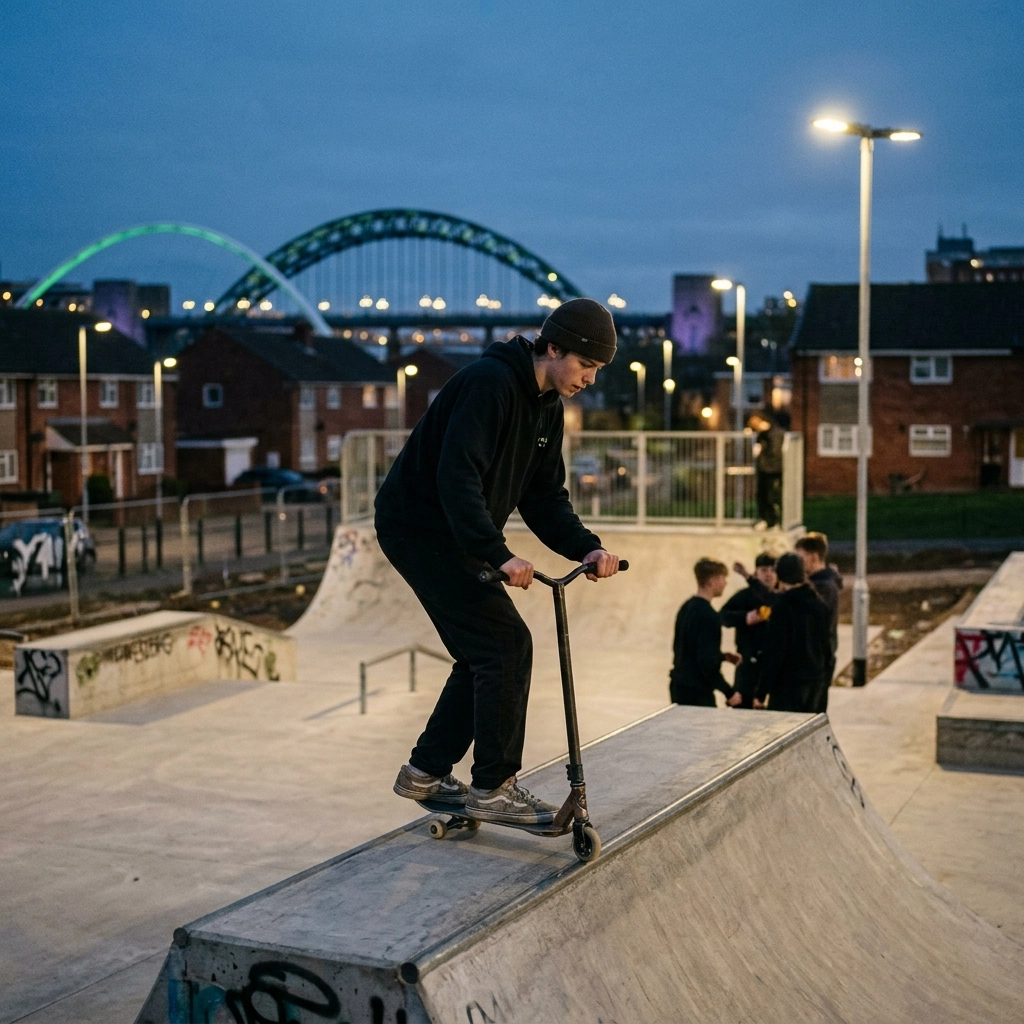
The Gateshead Interchange is not the sort of place people usually romanticise. It is concrete, busy, windy and, on a grey afternoon, about as glamorous as a soggy Greggs bag. For years, it also became shorthand for a familiar local headache: teenagers hanging about, security moving them on, and everyone pretending the problem began and ended with the kids themselves.
That is where organiser Mike Dixon comes in. Rather than treating young people like a nuisance with trainers on, he and the wider team backed a simple idea with a serious punchline: give them decks, a mic and a reason to stay engaged. The result is a project that has changed the mood of the Interchange and offered a proper example of the kind of grassroots response that independent news uk should be paying attention to.
Q: Why bring DJ decks into a bus station?
Mike Dixon: Because telling young people to “go somewhere else” is not a strategy, it is a shrug in a hi-vis jacket. The Interchange was already where they were gathering, so we decided to meet reality where it lives. Once the decks came out, the atmosphere shifted. Instead of aimless hanging about, there was curiosity, a queue to have a go, and a bit of pride in doing something well.
That practical switch matters. A mixing desk is not magic, but it does demand focus. Beat-matching, timing and handling a crowd all take concentration. For some of the teenagers involved, that is the first time in a while they have been invited to build a skill rather than just be warned off a public space. It sounds simple because it is simple, and sometimes that is exactly why it works.
Q: What are the young people getting from it?
Mike Dixon: More than a lesson in pressing buttons, that’s for sure. They are getting confidence, discipline and a space where their energy is not instantly treated as a threat. Some want to learn transitions properly, some want to rap, some just want to stand near the action and feel part of something that is not trouble for once.
That is why this story sits firmly among the untold stories we should be talking about more often. The lazy version says these teenagers are a problem to be managed. The more honest version is that many are bored, bright and badly underserved. Give them a platform and they do not just make noise, they make something of themselves. Not every young person will become a DJ, obviously, but a lot of them are proving they can turn up, commit and surprise the adults who had already written them off.
Q: Has it actually changed the space?
Mike Dixon: Yes, and you can feel it straight away. The tone is different. There is less friction, more conversation and a lot more mutual respect. When young people see that a public space can offer them something back, they tend to treat it differently. Funny that.
There is also a wider effect that is harder to measure but impossible to miss. Older commuters stop and watch. People who might once have crossed the concourse with their guard up now pause to listen. That matters because it chips away at the idea that groups of teenagers are automatically a menace. Gateshead has not solved every issue with a couple of turntables and some speakers, and nobody sensible is claiming otherwise. But it has found a better rhythm: one that replaces confrontation with creativity and gives young people a real chance to be heard.
In the end, the project works because it sees potential where others saw a problem. It is practical, local and refreshingly unflashy. More importantly, it shows what can happen when communities stop asking how to move young people on and start asking what they might become.