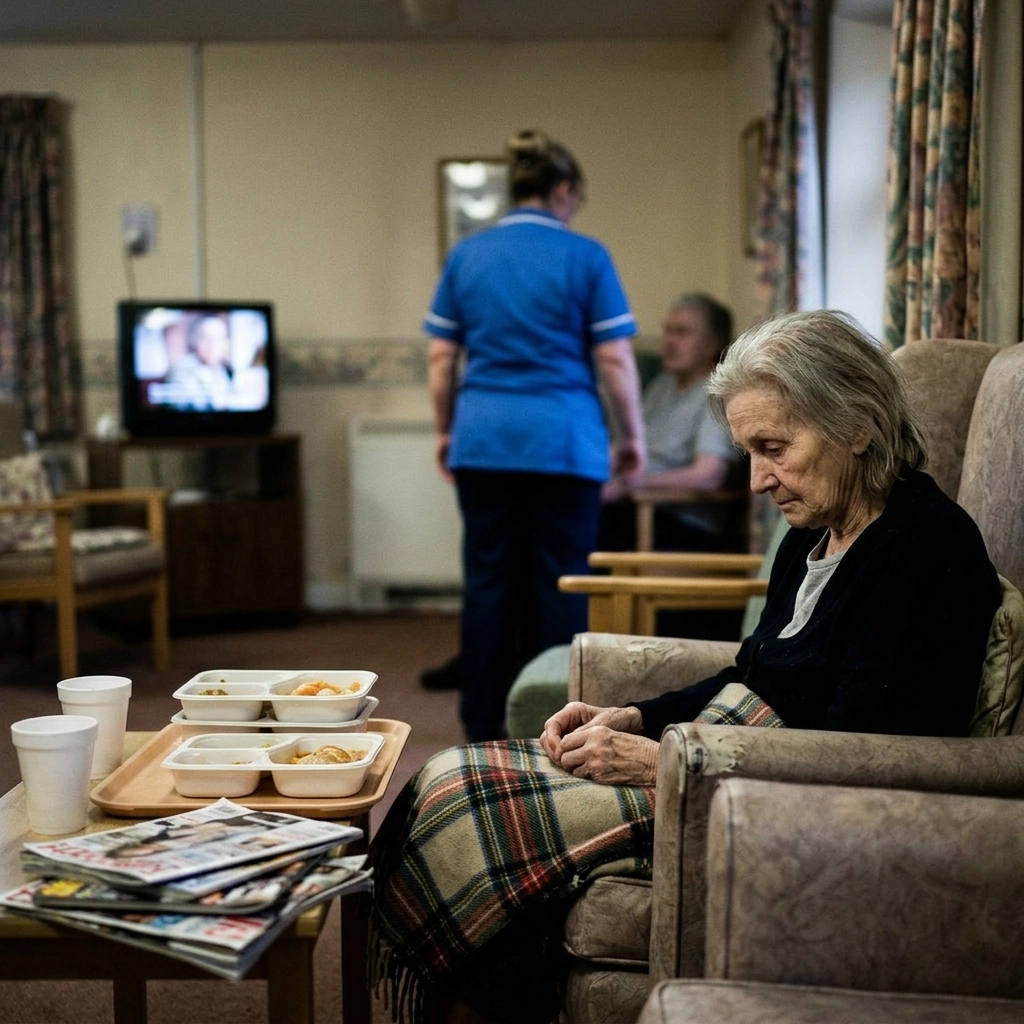
The British care system is often described as a safety net. In reality, for thousands of our most vulnerable citizens, it has become a spider’s web: sticky, suffocating, and incredibly difficult to escape. We like to think that when we reach the twilight of our lives, or when our parents can no longer brew a cup of tea without risk, there is a professional, compassionate place for them to go. We pay the fees, we trust the brochures with the smiling nurses, and we tell ourselves they are safe.
But a series of independent investigations and untold stories from across the UK are painting a far darker picture. This isn't just about "sub-standard" care or "unfortunate" mistakes. We are talking about systemic neglect that borders on the medieval. From maggots found in open wounds to residents left for days in their own waste, the truth about the UK care home industry is a punch to the gut.
It is time to stop looking away. Behind the manicured lawns of private facilities and the bureaucratic jargon of local authority reports lies a grim reality that most of us are too terrified to acknowledge. This is the care home truth: a story of institutional failure, regulatory blindness, and a generation of elderly people being treated as line items on a balance sheet rather than human beings.
The Horrors Behind Closed Doors
The statistics are bad, but the specific stories are worse. When you strip away the corporate PR, you find a world where the basic necessities of human life: water, hygiene, and dignity: are treated as optional extras. Independent research and whistleblower accounts have highlighted a level of neglect that should be impossible in a modern, developed nation.
- Infestations in Wounds: Recent investigations have uncovered cases where residents were found with maggots in their pressure sores. This isn't a scene from a historical drama; it is happening in British care homes today. It indicates a total lack of basic wound care and hygiene monitoring.
- The Dehydration Crisis: Dehydration is a silent killer in the care sector. Staff, stretched so thin they barely have time to breathe, often leave water jugs out of reach or fail to assist those who cannot drink independently.
- Chemical Restraint: There is a disturbing trend of using "as-required" sedative medication to manage "difficult" residents. Instead of providing engagement or companionship, some facilities prefer to keep their residents in a drug-induced stupor to make them easier to manage with fewer staff.
- The Reporting Gap: It is estimated that only 1 in 14 incidents of abuse or neglect are ever formally reported. This means the horror stories we hear are just the tip of a very large, very rotten iceberg.
- Falsified Records: One of the most common "untold stories" from whistleblowers is the pressure to "bulk-fill" care charts. Turning a resident, checking a bandage, or providing a drink is often ticked off on a chart hours after it was supposed to happen: or, in many cases, even if it never happened at all.
- Malnutrition as Standard: Weight loss is frequently dismissed as a natural part of aging. In many neglect cases, however, it is the result of residents being unable to feed themselves and staff having no time to help. A meal placed in front of a person with advanced dementia is not a meal if they don't know how to pick up the fork.
This level of neglect doesn't happen because care workers are inherently evil. It happens because the system is designed to prioritise profit over people. When a private equity firm buys a care home, their first loyalty is to their shareholders, not to the grandmother in Room 4B who needs her dressing changed. The "bold" truth is that we have commodified the end of life, and the results are predictably catastrophic.
A System Designed to Fail
The UK’s regulatory framework is supposed to be the watchdog that keeps these facilities in line. However, the watchdog seems to have lost its teeth, its sight, and its will to bark. The "failure of regulation" is a recurring theme in every major care home scandal of the last decade. We are currently operating under a system that often gives facilities weeks of notice before an inspection, allowing them to staff up, clean up, and put on a show that bears no resemblance to daily life.
- The Inspection Farce: Announced inspections are essentially theatre. Facilities bring in agency staff and deep-clean the carpets for the day the regulators arrive, only to return to "business as usual" the moment the clipboard leaves the building.
- Staffing as a Sunk Cost: The root cause of almost every neglect story is understaffing. When one carer is responsible for ten high-needs residents, neglect isn't an accident: it’s a mathematical certainty.
- The Minimum Wage Trap: We ask people to perform one of the most physically and emotionally demanding jobs in society for minimum wage. High staff turnover is the result, meaning residents never build the relationships necessary for consistent, personalised care.
- Corporate Shielding: When things go wrong, the corporate structures behind care homes often make it impossible to hold anyone accountable. The facility might be owned by a holding company, which is owned by a shell company, which is based offshore. Legal accountability vanishes into a cloud of paperwork.
- The Absence of Visitors: During the pandemic, the "untold stories" of neglect multiplied. Without family members visiting to check on their loved ones, residents had no advocates. This period proved that family oversight is often the only thing standing between a resident and total abandonment.
- The Fear of Retaliation: Both staff and residents are often terrified to speak out. Staff fear losing their jobs, and residents fear that if they complain, the "punishment" will be even worse care or social isolation.
We have created a culture of silence. The regulators are overwhelmed, the owners are incentivised to cut corners, and the families are often too overwhelmed by guilt or grief to see the warning signs. It is a perfect storm for neglect. We need to stop treating care home regulation as a tick-box exercise and start treating it as a matter of human rights. If a restaurant had maggots in the kitchen, it would be shut down in an hour. Why do we have lower standards for the places where our parents live?
Breaking the Silence
The only way to fix a broken system is to shine a light on its darkest corners. The "untold stories" of care home neglect are finally starting to bubble to the surface, driven by independent journalists and courageous whistleblowers who refuse to let these people be forgotten. But awareness is only the first step. We need a fundamental shift in how we value the elderly and how we fund their care.
- Mandatory Staffing Ratios: We need legally enforceable ratios of staff to residents. No more "discretionary" staffing based on budget requirements.
- Unannounced Inspections: Regulators must move to a 100% unannounced inspection model. They need to see the "truth" at 3:00 AM on a Tuesday, not the "performance" at 11:00 AM on a scheduled Friday.
- Real Penalties for Neglect: Fines for multi-million pound companies are just the "cost of doing business." We need criminal accountability for directors who oversee facilities where gross neglect occurs.
- Valuing the Workforce: Care work needs to be a professionalised, well-paid career path. If we want high-quality care, we have to pay for it.
- Technological Oversight: Increased use of independent advocacy and, where appropriate and consented to, transparent monitoring could help prevent the "invisible" neglect that happens behind closed doors.
- Empowering Families: We need to make it easier for families to report concerns without fear of their loved one being evicted. The power dynamic currently sits entirely with the care home providers.
The "grim reality" is that any one of us could end up in this system. It is a universal truth that we are all aging. Neglect in care homes isn't someone else's problem: it’s a future problem for all of us. When we ignore the stories of the residents today, we are essentially signing our own future warrants. We cannot claim to be a civilised society while we allow our elders to suffer in silence, hidden away in understaffed, poorly regulated facilities.
The care home truth is ugly, but it is necessary to face. We owe it to the people who built this country to ensure their final years are spent in dignity, not in a desperate struggle for the most basic human needs. The maggots, the dehydration, and the filth are symptoms of a deep societal rot. It’s time to cut it out.
The reality of the UK care sector is a complex tapestry of dedicated individuals working under impossible conditions and corporate entities exploiting a vulnerable demographic. While many care workers go above and beyond, the system they work within is frequently broken. Addressing the issues of neglect requires more than just increased funding; it necessitates a total overhaul of regulatory standards and a societal shift in how we perceive the value of our elderly population. Only through sustained transparency and rigorous accountability can the standard of care be raised to an acceptable level for all residents.