Kim Smith spent years coming to terms with a life that had been irrevocably altered. In 2017, a severe bout of sepsis led to the loss of all four of her limbs, a devastating outcome that left her navigating a world built for the able-bodied with unimaginable resilience. However, a recent medical breakthrough and a profound act of generosity have offered her a new chapter. The sixty-four-year-old recently became the recipient of a rare hand transplant, a procedure that remains one of the most complex and delicate operations in modern surgery. While the technical success of the operation is a marvel of science, the emotional meeting between Kim and the family of her donor has highlighted the deeply human connection that underpins organ donation.
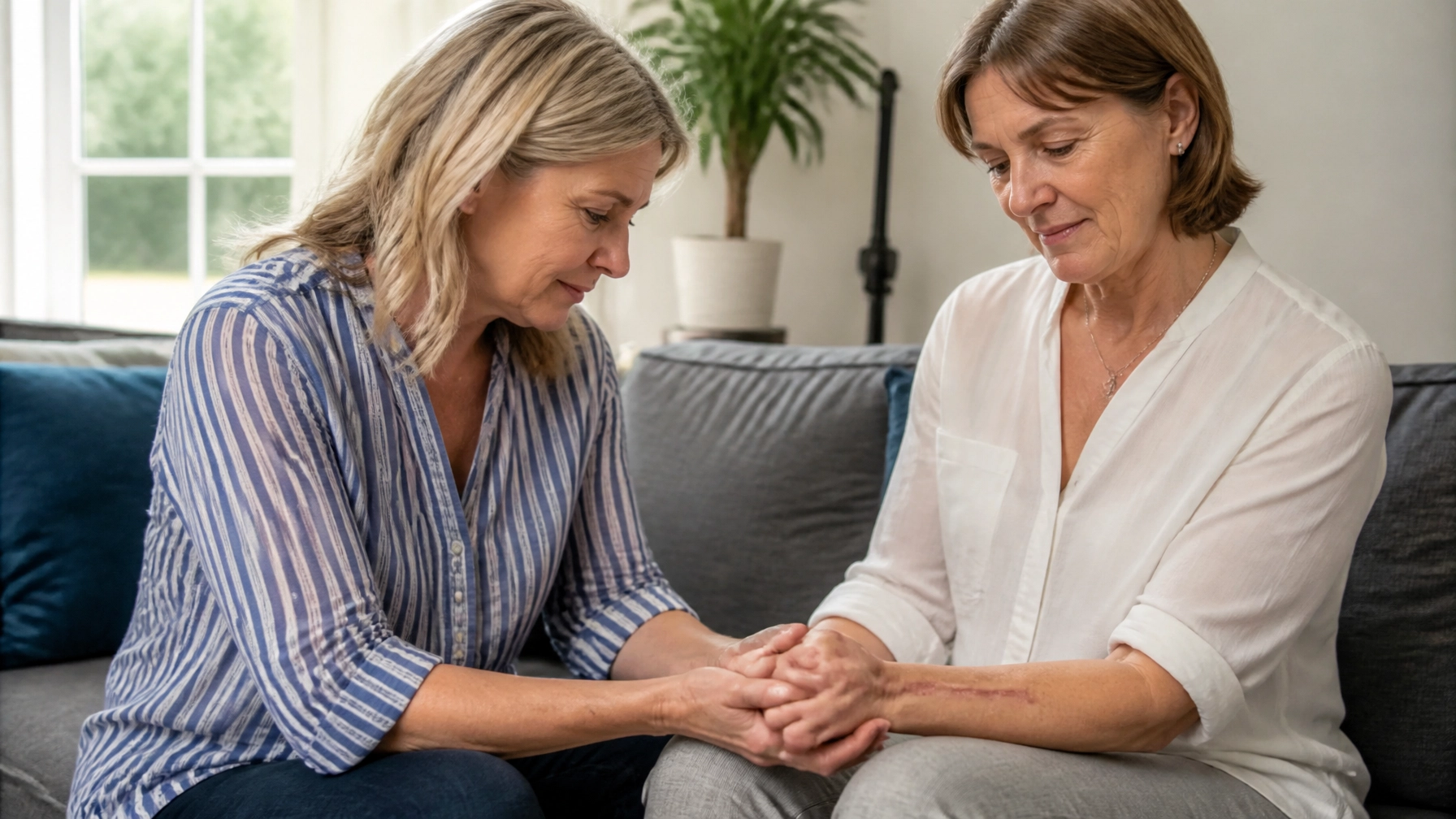
The donor was Georgie Peterson, a thirty-three-year-old woman whose life was tragically cut short following complications from a rare brain disorder. Georgie’s mother, Jackie Kirwan, made the brave decision to donate her daughter’s organs, including her left hand. For Jackie, the decision was rooted in the memory of her daughter’s character, describing Georgie as a person who was always willing to give to others. This week, the two women met for the first time, an encounter that both described as surreal and overwhelmingly emotional. As they sat together, the physical reality of the transplant served as a bridge between two families joined by loss and hope.
The Emotional Weight of a Shared Physicality
Meeting the family of a donor is a rare and deeply personal experience. For Kim, the transplant was not just about regaining physical function; it was about honoring the person who made it possible. During their meeting, Kim expressed her profound gratitude, noting that the gift she received was life-changing. Jackie, observing the hand that once belonged to her daughter now providing a new lease of life to another, felt a sense of peace. The psychological impact of such a transplant is unique. Unlike an internal organ, a hand is a visible, tactile part of a person's identity. Seeing it integrated into Kim’s life provided Jackie with a tangible sense that a part of Georgie lived on.
The meeting involved tears and a shared understanding of the journey both women had undertaken. Kim spoke about the sensations she was beginning to feel in her new hand, a sign of the nerves slowly knitting together and the brain remapping itself to control the new limb. For Jackie, hearing about these small milestones was a comfort. It transformed her grief into something constructive, knowing that her daughter's legacy was helping someone else regain their independence. The bond formed between the recipient and the donor's mother transcended the clinical environment of the hospital, grounding the medical achievement in genuine human empathy and connection.
The Complex Ethics of Vascularised Composite Allotransplantation
Hand transplants fall under a category known as vascularised composite allotransplantation (VCA). Unlike heart or kidney transplants, which are often life-saving, VCA procedures like hand or face transplants are considered life-enhancing. This distinction brings about a specific set of ethical considerations. The surgery requires the recipient to take lifelong immunosuppressant drugs, which carry their own risks, including increased susceptibility to infections and potential organ damage. Surgeons and ethicists must carefully weigh the benefits of increased dexterity and psychological well-being against the long-term health implications for the patient.
Consent is another critical pillar of the process. In the UK, the move towards an "opt-out" system for organ donation generally covers major organs, but VCA procedures often require specific, additional consent from the donor's family due to the visible and sensitive nature of the donation. Jackie Kirwan's involvement was essential, and her willingness to discuss the process publicly helps to demystify a procedure that many might find daunting. By focusing on the human story, the medical community can better explain why these transplants matter. It is about more than just moving fingers; it is about the ability to hold a cup, feel a breeze, or touch a loved one’s face.
A New Chapter for Medical Science and Personal Independence
Kim Smith’s journey is far from over. Recovery from a hand transplant involves months, if not years, of intensive physiotherapy. The brain must learn to communicate with a new set of muscles and nerves, a process called neuroplasticity. Kim has already demonstrated remarkable progress, and her determination is a testament to the success of the UK’s specialist transplant units. These units represent the pinnacle of surgical collaboration, involving orthopaedic surgeons, plastic surgeons, and transplant specialists working in unison for over twelve hours at a time.
The success of Kim’s transplant and the positive outcome of her meeting with Jackie Kirwan provide a beacon of hope for others waiting for similar procedures. As medical technology advances, the focus remains on the quality of life and the restoration of dignity for those who have suffered life-altering injuries. The story of Kim and Georgie reminds us that behind every headline about a medical breakthrough is a family making a difficult choice and a patient finding the courage to start again. It is a narrative of resilience, medical excellence, and the enduring power of human kindness.