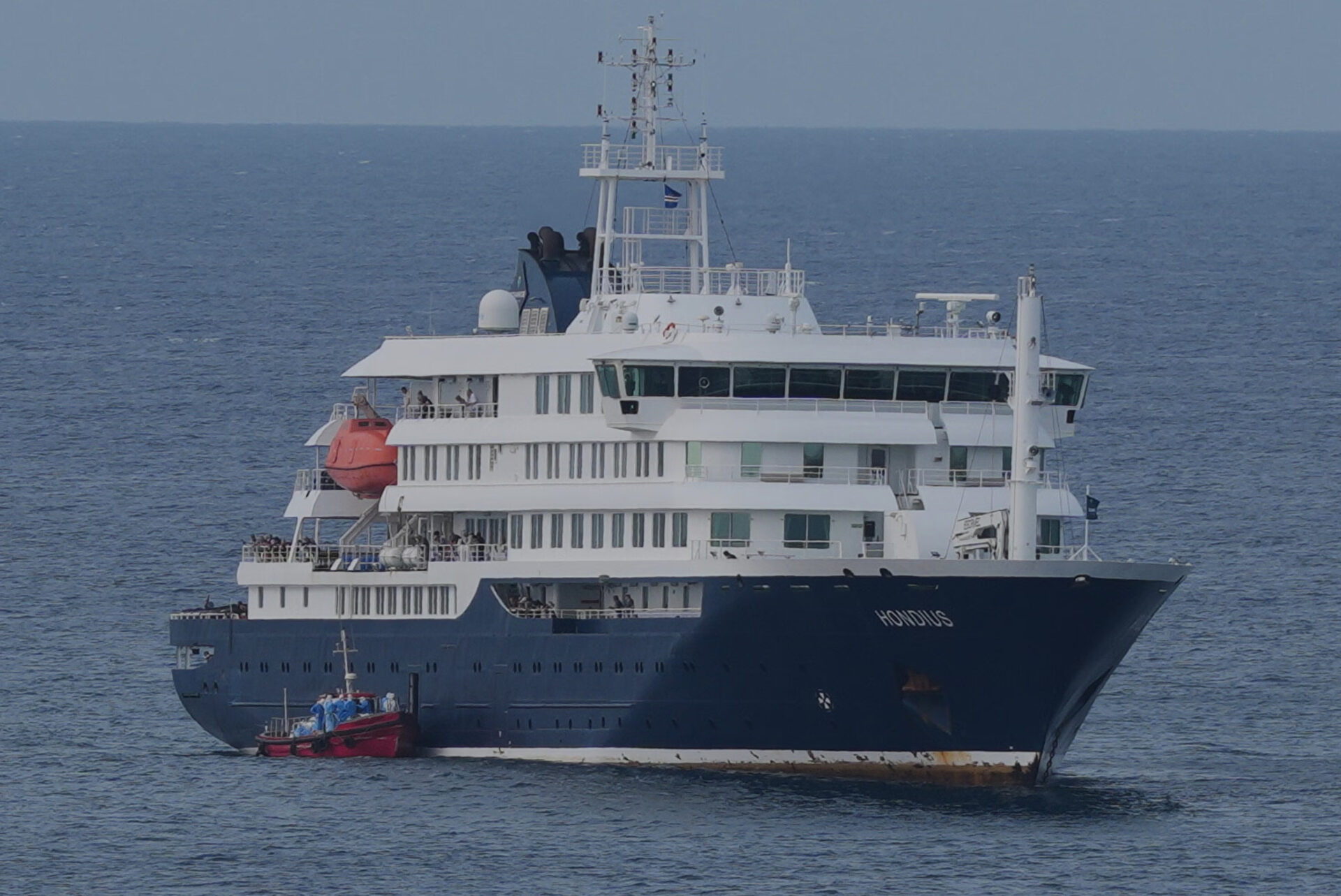
The recent reports concerning a hantavirus outbreak have understandably caused a stir, but it is essential to look closely at the facts to understand the actual level of risk to the public in the United Kingdom. While the term “rat-virus” sounds alarming, the current situation is being managed with high levels of caution by international health authorities. At the heart of the story is the cruise ship MV Hondius, which has become the focal point of a medical investigation following a series of confirmed cases and tragic deaths. As the vessel makes its way toward Tenerife, the focus remains on ensuring that all passengers are accounted for and that any potential spread is contained through rigorous isolation protocols.
For those watching from the UK, the most immediate connection involves a British expedition guide, Martin Antsey, who is currently being treated in a hospital in the Netherlands. His condition has fluctuated, moving from mild symptoms to a more serious state, but he is receiving specialist care. Additionally, two other British passengers are self-isolating at home as a purely precautionary measure. It is important to note that these individuals are currently asymptomatic. The incubation period for this particular virus can be as long as six weeks, which explains why health officials are insisting on an extended period of monitoring for anyone who may have been exposed during the voyage.
The origin of the outbreak appears to be linked to a excursion in Argentina rather than a problem on the ship itself. It is believed that a Dutch couple, who sadly passed away, contracted the virus during a bird-watching trip at a landfill site. These sites are often high-density areas for rodents, which are the primary carriers of hantavirus. This distinction is crucial because it highlights that the virus was likely brought onto the ship from a specific land-based location, rather than being an endemic issue within the maritime environment or a result of poor hygiene on board the vessel.
Understanding the Current Situation on the MV Hondius
The MV Hondius is currently carrying approximately 150 passengers, all of whom are reported to be asymptomatic at this stage. The ship is expected to dock in Tenerife over the coming weekend, where a comprehensive health screening will take place. This is a standard procedure designed to ensure that no one is carrying the virus before they transition to their next destination. For the British passengers on board, the return journey involves a significant commitment to public safety, with the possibility of facing up to 45 days of isolation upon their arrival back in the UK.
Health experts have been quick to point out that while the situation is serious for those infected, the broader risk to the general public remains very low. The virus does not spread through the air in the same way as influenza or the common cold, nor does it typically pass from person to person. Instead, infection occurs through direct contact with the droppings, urine, or saliva of infected rodents, or by breathing in dust contaminated with these substances. This means that for the average person going about their daily life in a British city or town, the chance of encountering the virus is negligible.
The management of the outbreak has been a multi-national effort, involving health departments from the Netherlands, South Africa, Switzerland, and the UK. Each country is tracking its citizens who were on the cruise, ensuring that the 6-week incubation window is respected. In Zurich, another patient who travelled to Switzerland is also receiving hospital care. The international coordination demonstrates a robust response to what is a rare but well-understood medical challenge. By tracking every individual who was on the ship, authorities are essentially building a firebreak around the virus.
The Science of Hantavirus and Real Risks
To move beyond the headlines, we have to look at what hantavirus actually is. It is a family of viruses spread mainly by rodents. Each hantavirus strain is usually linked to a specific rodent host species. In the case of the South American strain currently under discussion, the fatality rate can be high, sometimes reaching up to 40 per cent in severe cases. This high mortality rate is why the medical response has been so assertive. However, it is the method of transmission that ultimately limits the scale of any potential outbreak. Because it requires specific environmental conditions and contact with rodent waste, large-scale community transmission is almost unheard of.
The symptoms typically begin with fever, muscle aches, and fatigue. In some cases, this can progress to more severe respiratory issues, which is why hospitalisation is often necessary for those showing active signs of the illness. For the passengers currently in isolation, the main task is simply to wait and monitor their temperature and general well-being. The fact that many have remained asymptomatic for several weeks is a positive sign, though the long incubation period means that no one can be officially cleared until the full 42 to 45 days have passed.
Medical professionals have also noted that the UK has very clear protocols for dealing with such exotic viruses. Public health bodies are experienced in contact tracing and managing the return of individuals from areas where rare diseases are present. The primary goal is to prevent any “spillover” into the local rodent population, though the specific species of rodent found in Argentina that carries this strain is not native to the British Isles. This biological barrier provides another layer of protection for the UK public, making an “outbreak” on British soil highly improbable.
What the Public Should Do Now
There is no need for the public to change their daily habits or avoid travel to most destinations. The advice from health officials is to remain informed but calm. For those who are planning trips to South America or other regions where hantavirus is known to exist, the standard advice remains to avoid areas with visible rodent activity, keep food in sealed containers, and ensure that living quarters are clean and well-ventilated. These are sensible precautions that seasoned travellers often take as a matter of course.
The emphasis should remain on supporting those who are currently affected and respecting the privacy of those in isolation. The British passengers who will be spending the next month and a half in quarantine are doing so to protect the wider community, and their cooperation is a vital part of the public health response. It is a reminder of the interconnected nature of modern travel and the importance of having robust health monitoring systems at our borders and within the international shipping industry.
As the MV Hondius reaches Tenerife and more data becomes available from the testing of the 150 passengers, the picture will become even clearer. For now, the facts suggest that the outbreak is contained to a specific group of people with a shared history of exposure in a specific geographic location. The rigorous steps being taken by health departments across Europe and beyond are working exactly as intended, ensuring that a serious localized health event does not become a broader public concern. The UK remains at low risk, and the focus is firmly on the recovery of those currently in hospital.