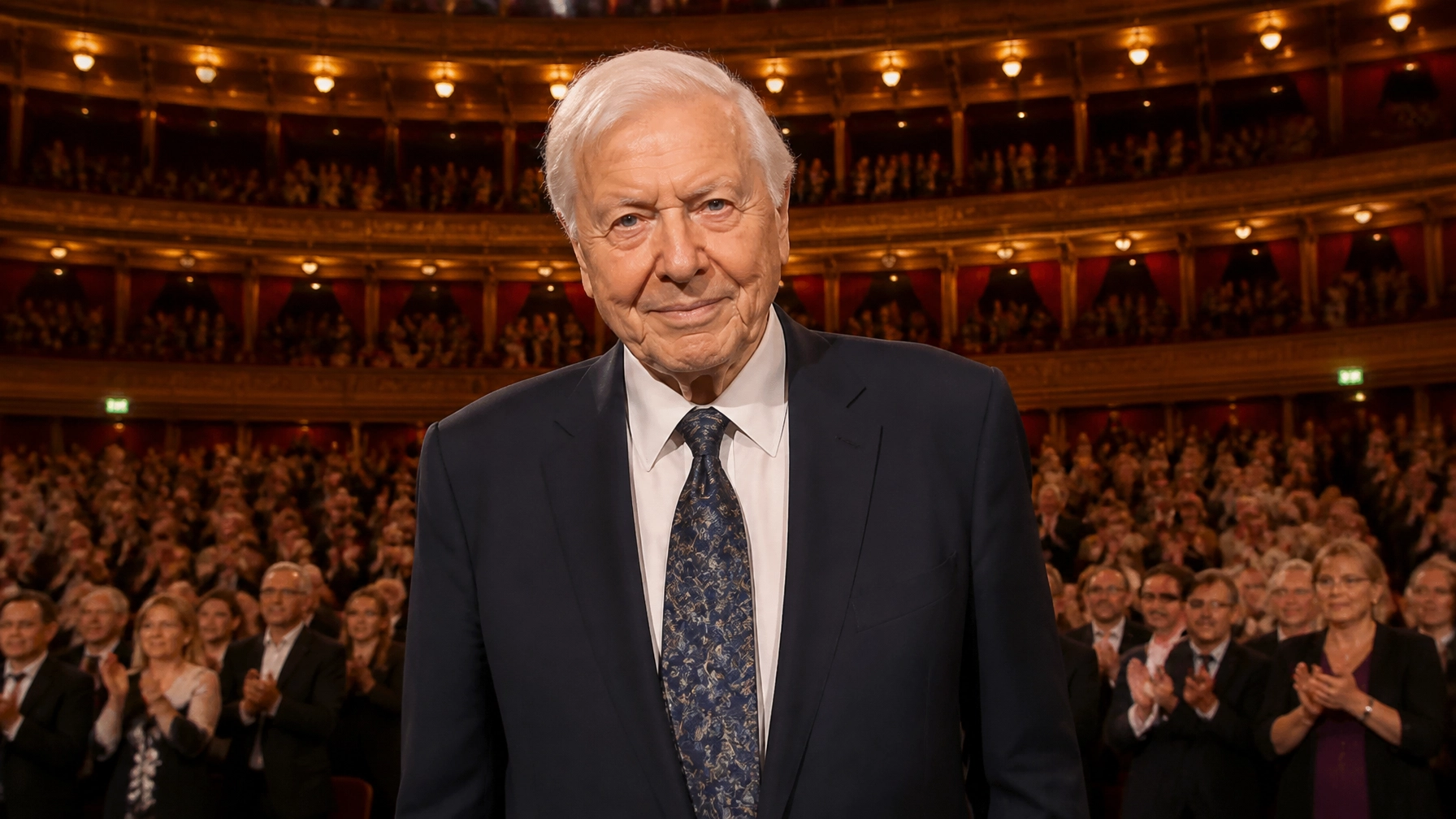
The Royal Albert Hall in London served as the backdrop for a historic celebration on the evening of 8 May 2026, marking the 100th birthday of Sir David Attenborough. The gala event brought together world leaders, members of the Royal Family, renowned scientists, and cultural icons to honour a century of contribution to natural history and global conservation. Sir David, appearing in high spirits, was met with a five-minute standing ovation as he took his seat in the Royal Box, accompanied by his family.
The evening was designed as a retrospective of a career that has spanned the history of television itself. From his early days in the 1950s with the Zoo Quest series to the pioneering use of colour in Life on Earth, and more recently his urgent calls for climate action in Our Planet, the event showcased the technological and philosophical shifts Sir David has led. Guests were treated to high-definition projections of some of his most famous encounters with wildlife, remastered specifically for the venue’s massive screens.
Among the distinguished guests were King Charles III and the Prince of Wales, both of whom have shared a long-standing commitment to environmental causes alongside Sir David. The King delivered a personal tribute, noting that Sir David’s voice has been the “soundtrack to the natural world” for generations of Britons and citizens across the Commonwealth. He praised the broadcaster’s ability to bridge the gap between complex science and public understanding, making the wonders of the deep sea and the complexities of the rainforest accessible to all.
A Royal Tribute to a Global Icon
Prince William also took to the stage to share a more personal reflection on Sir David’s impact. The Prince highlighted the influence Sir David had on his own Earthshot Prize initiative, describing him as a mentor and a beacon of hope for the future of the planet. During his address, Prince William remarked on the unique ability of Sir David to inspire action without resorting to despair, a trait that has defined his later years as an advocate for the Earth. The Royal Family’s presence underscored the significant role Sir David has played in British cultural life, serving as a trusted figure during times of immense environmental change.
The tribute continued with a series of video messages from international figures, including former presidents and environmental activists from every continent. These messages focused on how Sir David’s work helped to internationalise the conservation movement. His documentaries have been dubbed into dozens of languages, reaching billions of viewers and fostering a global appreciation for biodiversity. The consensus among the speakers was that Sir David did not just observe nature; he taught the world how to value it.
In addition to the speeches, the night was a celebration of the arts. The Royal Philharmonic Orchestra provided a live accompaniment to many of the film clips, performing iconic scores composed for Sir David’s many series. The music served to heighten the emotional impact of scenes ranging from the birth of a whale to the struggles of polar bears in a warming Arctic. This intersection of science, film, and music was a testament to the high production standards Sir David has always insisted upon throughout his professional life.
Musical Tributes and Cinematic Splendour
The musical portion of the evening featured standout performances from the Icelandic band Sigur Rós and the British band Bastille. Sigur Rós performed a hauntingly beautiful set that complemented footage of the Earth’s more ethereal landscapes, such as the northern lights and deep-ocean hydrothermal vents. Their atmospheric soundscapes provided a fitting backdrop to the mystery of the natural world that Sir David has spent seven decades exploring. The choice of performers reflected Sir David’s own appreciation for contemporary culture and its power to engage younger audiences with environmental themes.
Bastille followed with a more upbeat but equally poignant performance, including a specially arranged version of their hit song Pompeii. The band spoke of their admiration for Sir David’s work, noting that his documentaries were a staple of their upbringing. They highlighted how his recent series have integrated modern soundtracks to ensure that the message of conservation remains relevant to a digital-first generation. This blend of musical styles illustrated the broad demographic appeal Sir David maintains even as a centenarian.
The technical aspects of the gala were equally impressive. Using state-of-the-art laser projection, the walls of the Royal Albert Hall were transformed into various ecosystems, from the Great Barrier Reef to the African savannah. This immersive experience allowed the audience to feel as though they were stepping into the documentaries themselves. It was a fitting tribute to a man who has always embraced the latest technology, from 3D filming to 4K resolution, to bring the natural world into the living rooms of the public.
A Legacy That Spans Generations
Sir David’s legacy in conservation is perhaps his most enduring achievement. As the evening progressed, the focus shifted from his past work to the future of the natural world. Various young conservationists who have been inspired by his career were invited to share their stories. These individuals, many of whom were recipients of grants and awards named in Sir David’s honour, spoke about the practical impact of his advocacy. They described how his documentaries provided the initial spark for their careers in marine biology, forestry, and climate science.
The gala also served as a fundraiser for the newly established Attenborough Centenary Fund, which aims to protect some of the world’s most endangered habitats. By the end of the evening, it was announced that millions of pounds had been raised through donations from attendees and viewers watching the broadcast at home. This fund is intended to ensure that the work Sir David started will continue long after his 100th year, providing resources for the next generation of environmentalists to tackle the challenges of the 21st century.
In a brief but powerful closing statement, Sir David thanked the audience and the performers, but redirected the praise back to the natural world. He reminded those in attendance that while he has had the privilege of telling nature’s story, the story itself is far from over. He urged the audience to continue the fight for biodiversity and to remember that “the future of life on Earth depends on our willingness to act now.” His voice, though slightly aged, remained clear and carried the same conviction that has captivated audiences since his first broadcast.
Sir David Attenborough was born on 8 May 1926 in Isleworth, London. Over his career, he has received numerous awards, including several BAFTAs, Emmys, and a knighthood for his services to television and conservation. He remains the only person to have won BAFTAs for programmes in black and white, colour, HD, 3D, and 4K. The gala at the Royal Albert Hall concluded with a final montage of Sir David’s most famous sign-offs, leaving the audience with a sense of gratitude for a century of wonder and a renewed commitment to the planet.