The landscape of modern warfare has shifted dramatically in recent weeks, but the fundamental nature of its consequences remains tragically unchanged. As the conflict in Iran intensifies, the sheer scale of civilian suffering is beginning to emerge from behind the fog of military briefings and strategic justifications. What was initially presented as a series of surgical strikes aimed at dismantling military capabilities has, in reality, evolved into a theatre of utter horror and carnage. The human cost is not merely a collection of statistics or a footnote in a geopolitical power struggle; it is a lived reality for millions of people whose lives have been shattered by high-explosive ordnance falling on their neighbourhoods.
Reports from the ground paint a picture of a nation gripped by a level of violence that few anticipated when the first missiles were launched. The initial wave of joint strikes was meant to be precise, yet the outcomes have been anything but. In cities across the country, the rhythm of daily life has been replaced by the sound of air-raid sirens and the heavy thud of impacts. The displacement of families is now occurring on a scale that threatens to overwhelm regional resources, as people flee urban centres that were once considered safe. This isn't just a military operation; it is the systematic dismantling of a civilian society, where the line between combatant and non-combatant has become dangerously blurred.
For those watching from the outside, the figures are staggering: over a thousand civilians killed and ten times that number injured in a matter of weeks. But these numbers fail to capture the visceral reality of the situation. They don't describe the smell of cordite in a residential street or the sight of a family home reduced to a pile of grey dust. The conflict has moved beyond the borders of military bases and into the heart of civilian life, turning playgrounds into battlefields and hospitals into morgues. As the offensive continues, the international community is forced to confront the uncomfortable truth about what happens when modern technology is used in densely populated urban environments.
The devastating impact on the youngest victims
Nowhere is the human cost of this conflict more visible or more heartbreaking than in the fate of the children caught in the crossfire. The most harrowing incident to date occurred in Minab, a city in southern Iran, where a girls’ primary school was struck during morning lessons. The details are difficult to process: more than 150 young lives extinguished in an instant. These were girls aged between seven and twelve, who had gone to school to learn and instead found themselves at the centre of a catastrophic failure of military intelligence and execution. The scene following the strike was one of pure chaos, with survivors being pulled from the rubble of their classrooms by teachers and neighbours using their bare hands.
Initially, there was a predictable cycle of denial and finger-pointing. Statements were issued suggesting the tragedy might have been the result of a malfunctioning local defence system or a deliberate act by the opposing side. However, as independent investigations and military inquiries have progressed, the truth has become harder to ignore. It is now widely understood that a sophisticated cruise missile, designed for precision, was responsible for the strike. This revelation has sent shockwaves through the global community, raising urgent questions about how such a target could ever be selected or engaged.
The trauma of Minab is not an isolated event. It represents a broader pattern where schools and educational facilities have been caught in the path of the offensive. For the surviving children, the damage is not just physical. Those who lived through the strike now carry deep psychological scars, suffering from a form of trauma that will likely persist for decades. The loss of an entire generation of young women in a single community is a blow from which Minab may never fully recover. It serves as a grim reminder that in the calculus of modern war, the lives of children are often treated as collateral, regardless of the rhetoric used to justify the violence.
Systematic destruction of urban life and infrastructure
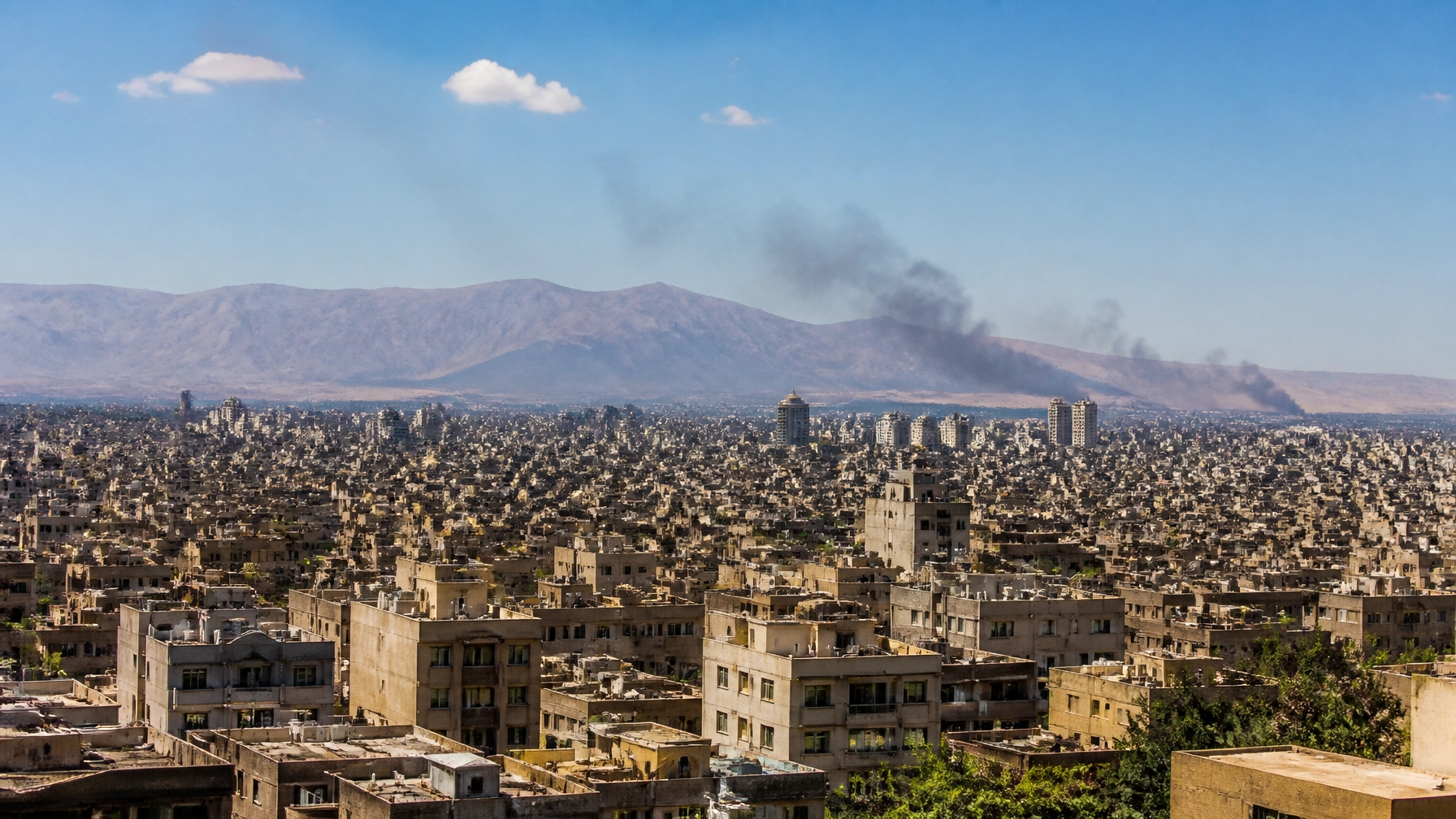
Beyond the immediate loss of life, the conflict is systematically erasing the infrastructure that sustains civilian existence. Tehran, a sprawling metropolis of nine million people, has seen its residential districts targeted with increasing frequency. The result is a city under siege, where the basic necessities of life: water, electricity, and medical care: are becoming luxuries. When a missile hits an apartment block, it doesn't just kill the people inside; it destroys the social fabric of an entire community. The survivors are left with nothing, forced to navigate a landscape where their homes are gone and their futures are uncertain.
Hospitals in the major cities are currently operating at a breaking point. They are dealing with a constant influx of patients suffering from complex blast injuries, burns, and shrapnel wounds. Many of these facilities have themselves been damaged by nearby strikes, or are struggling with severe shortages of medicine and surgical supplies due to the ongoing blockade of essential goods. Doctors are being forced to make impossible decisions about who to treat and who to let go, a scenario that belongs in a nightmare rather than a modern healthcare system. The long-term health implications for the population are immense, as chronic conditions go untreated and the risk of infectious diseases rises in overcrowded shelters.
The destruction extends to cultural and historical sites, erasing the heritage of a nation along with its people. While the focus is often on the immediate tactical gains, the permanent loss of these sites represents a different kind of human cost: the theft of a people’s history and identity. The systematic nature of the damage suggests that the impact on civilian infrastructure is not accidental but a consequence of a military strategy that prioritises total dominance over the protection of non-combatant life. As the urban landscape is reshaped by fire and steel, the difficulty of eventual reconstruction becomes more daunting with each passing day.
The growing demand for transparency and justice
As the scale of the carnage becomes undeniable, there is a growing movement demanding accountability from those who authorised these strikes. The legal and moral frameworks that are supposed to govern the conduct of war are being tested to their limits. International law is clear: there must be a distinction between military targets and civilians, and any strike must be proportionate to the military advantage gained. When a school or a crowded apartment building is hit, the burden of proof lies with the attacking force to justify such a devastating outcome. So far, that justification has been notably absent.
In the corridors of power, the conversation is often framed in terms of "unfortunate incidents" and "ongoing investigations." This clinical language stands in stark contrast to the reality on the ground. When officials are pressed on the financial and human costs of these operations, there is a visible reluctance to provide clear answers. The refusal to attach a name or a responsibility to the deaths of hundreds of children has only fuelled the anger of those who see this conflict as an unnecessary war of choice. The lack of transparency isn't just a political issue; it is a fundamental betrayal of the principles of justice and human rights.
Organisations dedicated to human rights are now calling for independent war crimes investigations. They argue that the failure to protect civilians is not just a tactical error but a potential violation of international law that must be addressed at the highest levels. The demand for justice is not about revenge; it is about ensuring that such horrors are not allowed to happen again with impunity. For the families in Minab and the residents of Tehran, the only thing more painful than their loss is the thought that no one will ever be held to account for the decisions that led to the destruction of their world. As the conflict grinds on, the search for truth remains the only hope for a lasting peace that respects the dignity of human life.