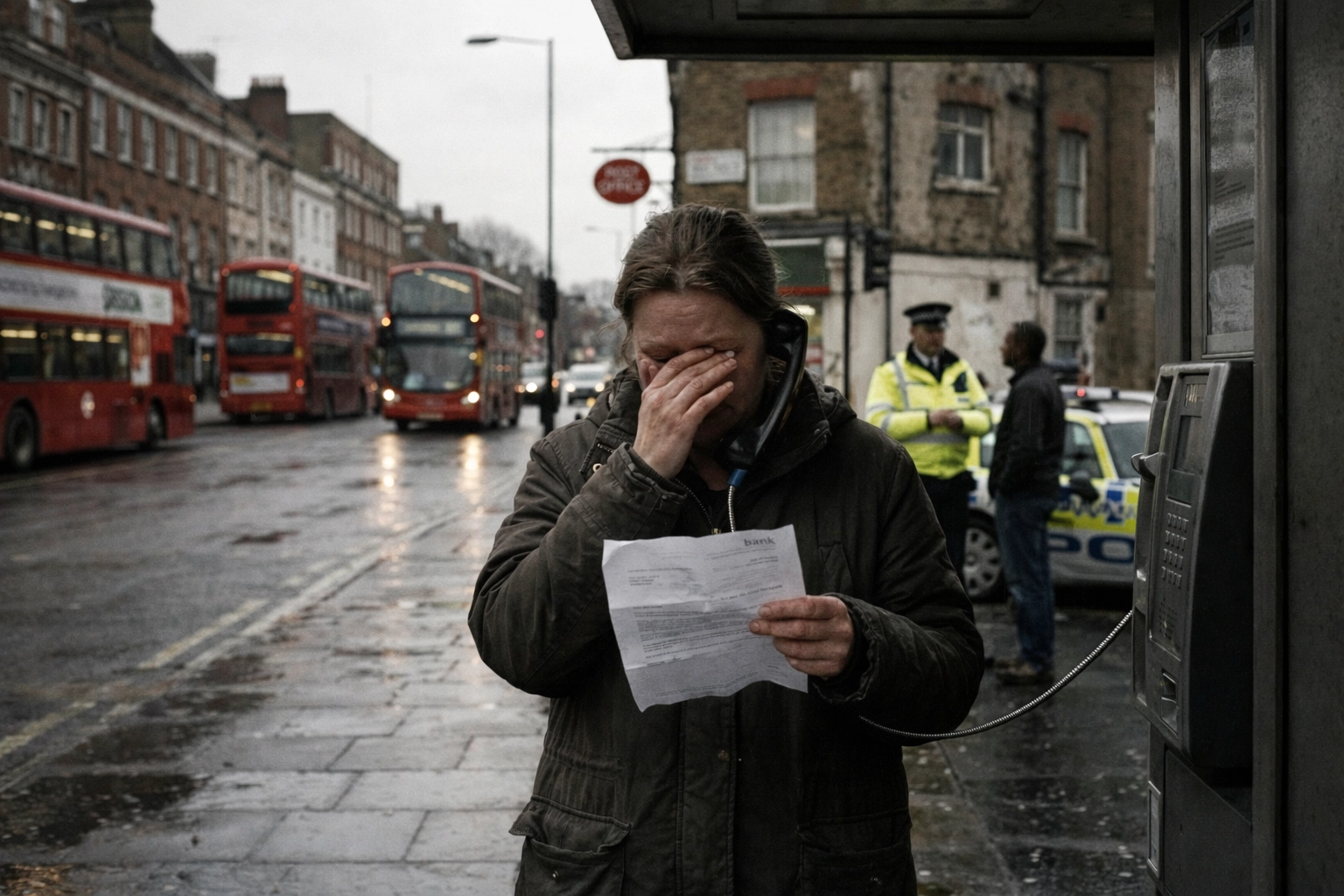
Checking your banking app and finding your savings gone is not a dramatic fiction for many people across the UK. It is a real and growing problem, and one that says a lot about the pressure on the system meant to protect the public. In the world of independent news uk, few figures land harder than this one: more than 96% of fraud cases reported in Britain go unsolved. It is the kind of statistic that makes people rethink how safe everyday digital life really is.
For years, fraud was often spoken about as if it mainly affected businesses or wealthy investors. The untold stories from ordinary people show something very different. Fraud now reaches into regular households, small purchases, online relationships and day-to-day banking. From phishing texts to romance scams, the scale of the problem has grown far beyond what many public systems were built to manage.
Understanding why so many of these cases remain unsolved means looking at the wider picture. This is not simply about a lack of effort. It is a mix of outdated systems, stretched resources and criminals who can move quickly across borders and platforms before investigators have a realistic chance to catch up.
Why so many fraud reports stall early
The journey of a fraud report usually begins with Action Fraud, the UK’s national reporting centre. On paper, it sounds like a streamlined solution: one central hub to collect data and dispatch it to the relevant authorities. In reality, it has become a significant bottleneck. When a victim reports a crime, they are often given a crime reference number and a sense of hope, but the data suggests that for the majority, that is where the journey ends.
Statistically, about 75% of all cases reported to Action Fraud are closed almost immediately without ever being sent to a local police force. The reason usually given is a lack of a "viable line of enquiry". For victims, that can feel like the door has closed before anyone has really stepped through it. In practice, investigators often need a clear link to a UK-based bank account, a physical address or a traceable phone number before a case can properly move forward.
Even for the cases that do reach local police, the outcome is often poor. Fraud investigations end up competing with violent crime, burglary and urgent social harm. Because fraud can be slow, technical and paperwork-heavy, it is regularly pushed down the list. The result is a system that filters out huge numbers of reports at every stage, leaving many victims feeling that the process starts with hope and ends with silence.
The challenge of digital and cross-border crime
One of the biggest hurdles in solving modern fraud is that it is no longer a "local" crime. Back in the day, a fraudster might be someone in your town writing bad cheques. Today, they are likely sitting in a different time zone, using a virtual private network (VPN) to mask their location, and operating through encrypted messaging apps. Approximately 55% of all frauds reported now have a digital element, making the "invisible offender" a very real problem for British investigators.
When a criminal operates from outside the UK, the legal red tape becomes almost insurmountable for local police. To track a single IP address or bank transfer that crosses borders, officers have to navigate international treaties and wait months: if not years: for a response from foreign authorities. In many cases, by the time the paperwork is processed, the money is gone, laundered through cryptocurrency or multiple offshore accounts, and the criminal has moved on to a new operation.
Furthermore, the police are currently fighting a high-tech war with low-tech tools. While criminals are using sophisticated AI to clone voices and automate phishing emails, many police departments are still catching up with basic digital forensic training. There is a massive resource gap; officer numbers were cut significantly over the last decade, and those who remain are often diverted to handle mental health crises or social issues that don't fall under traditional policing. When you have a choice between responding to an active domestic disturbance and sitting through six months of bank statements to find a digital ghost, the immediate physical threat will always win.
Why fraud still struggles to get priority
Perhaps the most jarring part of the 96% statistic is how it compares to other types of crime. You are now ten times more likely to be a victim of fraud than you are to have your house burgled. Yet, the public perception of fraud hasn't quite caught up to the reality of its impact. Many victims feel a sense of shame or embarrassment, believing they were "stupid" for falling for a scam. This leads to underreporting, which in turn leads to less government funding because the "official" numbers: as high as they are: still don't reflect the true scale of the problem.
The untold stories behind fraud show that the damage goes well beyond money. People lose confidence, peace of mind and trust in services they use every day. Many victims also carry a sense of embarrassment, even though the reality is that modern scams are designed to be convincing. That emotional toll is one reason fraud deserves far more serious attention than it often gets.
Turning things around will take more than a few policy tweaks. Fraud prevention and investigation need proper funding, better digital capability and a clearer sense of urgency. Until fraud is treated with the seriousness its impact deserves, that 96% figure may stay stubbornly high. Britain’s fraud crisis is not just a numbers story. It is a public trust story, and the gap between harm and justice remains far too wide.