For a long time, we have been told that the safest place for our digital lives is within the "walled gardens" of official app stores. Whether you are using an iPhone or an Android device, the general advice has always been the same: stay away from third-party sites and stick to the official platforms. However, as we move through 2026, the landscape of digital security is shifting beneath our feet. The rise of sophisticated artificial intelligence has given birth to a new generation of fraud that is beginning to bypass even the most stringent security checks.
Deepfake technology, once the stuff of high-budget Hollywood visual effects or niche internet corners, has officially gone mainstream. It is no longer just about making funny videos of celebrities saying things they never said. Today, deepfakes are being used as sharp tools for financial fraud, and worryingly, these scams are finding their way onto the devices we carry in our pockets every day. As an independent news UK voice, we believe it is vital to shed light on these untold stories that often get buried beneath the marketing hype of the latest tech releases.
The Evolution of Digital Deception on Our Phones
The journey of digital fraud has been a rapid one. We started with simple scam emails, moved into more convincing phishing sites, and eventually arrived at the era of synthetic media. What makes the current wave of deepfake scams so dangerous is the level of trust we place in visual and auditory information. Our brains are hardwired to believe what we see and hear. When a video call features the face and voice of a trusted manager or a family member, our natural defences drop.
Recent reports have highlighted how scammers are using these tools to target mobile users through seemingly innocent applications. In one particularly high-profile case that sent shockwaves through the financial sector, a corporate clerk was convinced to transfer millions of pounds after participating in a video call with what appeared to be several senior executives. Every person on that call, except for the clerk, was a deepfake. This wasn't a grainy, glitchy video; it was a high-fidelity, real-time simulation that bypassed every mental red flag the employee had.
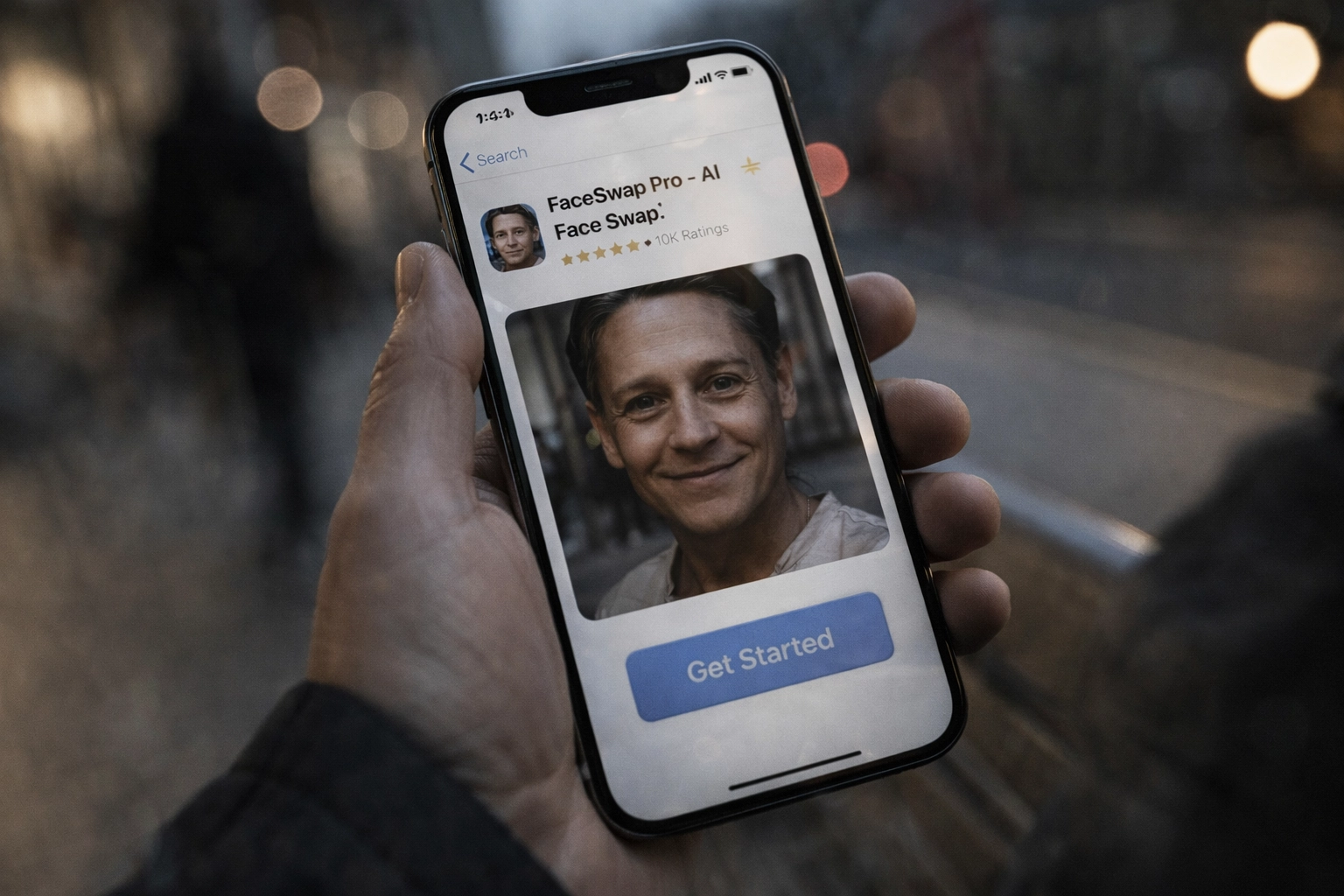
On the app stores, this technology is manifesting in a more subtle but equally damaging way. We are seeing a rise in "identity theft as a service" apps. These are often marketed as "fun" face-swapping tools or AI-enhanced video editors. While many are legitimate, a growing number are designed to harvest high-resolution facial data and voice samples. Once a user grants the app permission to access their camera and microphone, the software begins building a digital profile that can be used to impersonate them in future fraudulent activities. It is a slow-burn scam where the victim doesn't even realise they have been compromised until months later when their likeness is used to open a bank account or authorise a loan.
How Fraudsters Exploit Trust and Biometrics
The mechanics of these scams often rely on exploiting the very systems designed to keep us safe. Biometric authentication, such as facial recognition and fingerprint scanning, has been the gold standard for mobile security for years. However, cybercriminals have developed tools that can intercept the camera feed of a smartphone. By using a technique known as "virtual camera injection," an app can feed a pre-recorded or AI-generated deepfake video directly into a banking app's verification process. Instead of the phone seeing your real face, it sees a synthetic version that has been crafted to match the data the bank has on file.
This is particularly prevalent on devices that have been modified or "jailbroken," but the threat is expanding to standard devices through vulnerabilities in how certain apps handle media permissions. Beyond the technical side, there is the massive issue of fake reviews. Research into app store health has shown that AI is now being used to write thousands of incredibly human-like reviews. These aren't the generic "great app" comments of the past. These are detailed, nuanced, and British English-specific reviews that make a malicious app look like a five-star essential tool.
When an app has a 4.8-star rating and thousands of positive testimonials, we tend to trust it. We give it permissions to our contacts, our location, and our media libraries without a second thought. Once inside, the malware can act as a "sleeper agent," quietly monitoring behaviour or using the device's processing power to generate more deepfake content for other scams. Some of these fraudulent apps have even been found to continue running processes in the background after they have been "closed," draining battery life and data while the user is none the wiser. This level of deception is why we focus on these untold stories; the surface level of the app store is no longer a guaranteed indicator of safety.
Protecting Yourself in an Era of Synthetic Media
So, how do we navigate this new reality? It is not about living in fear, but about developing a healthy level of digital scepticism. The first step is to be extremely cautious with the permissions you grant to new apps. Does a simple photo filter really need access to your entire contact list and your precise location? If the answer is no, it’s a major red flag. Furthermore, always look for the developer's history. Genuine companies usually have a verifiable track record and a professional website.
Another crucial tip is to implement "out-of-band" verification. If you receive a video call or a voice note from someone asking for money or sensitive information: even if it looks and sounds exactly like them: contact them through a different platform. Call them on a landline, send a separate text message, or use a different messaging app to confirm the request. In the age of deepfakes, "seeing is believing" is a dangerous mantra. We have to move toward a "verify, then trust" model of communication.
As an independent news UK outlet, we are committed to following these developments as they happen. Major platforms are in an arms race with fraudsters, developing AI-based detection tools that can spot the tiny inconsistencies in synthetic media: things like unnatural blinking patterns or slight mismatches in skin tone. However, the scammers are equally quick to adapt. Keeping your device software updated is essential, as these updates often contain patches for the very vulnerabilities that allow deepfakes to bypass biometric security.
The digital world is becoming more complex, and the line between real and synthetic is blurring. By staying informed and questioning the digital content we interact with, we can protect our identities and finances. The app store may still feel convenient, but a well-informed user remains the best defence against even the most sophisticated AI scam.
The rise of AI deepfake fraud represents a significant shift in the cyber-threat landscape. While the convenience of mobile applications remains a central part of daily life, the methods used by criminals to exploit these platforms have become more psychological and more technically advanced. By understanding the tactics of identity harvesting, fake review inflation, and biometric bypass, users can better position themselves to spot a scam before it causes harm. Remaining vigilant and prioritising privacy permissions remain some of the most effective ways to protect your digital footprint in an era where seeing is no longer synonymous with truth. This is exactly why independent news UK coverage of untold stories matters: it helps readers cut through the noise and focus on risks that affect everyday life. In conclusion, staying alert, limiting app permissions, and verifying unusual requests through separate channels remain sensible steps as deepfake-enabled fraud continues to evolve.