Schedule: 2026-04-20 11:00
In the middle of shifting global power dynamics and rising tensions in the Middle East, some of the most serious developments can still pass under the radar. These are the untold stories that matter, especially for readers looking for independent news UK coverage that digs deeper than the headlines. This article looks at a deeply troubling development inside Iran: the reported recruitment and deployment of child soldiers during a period of escalating regional conflict.
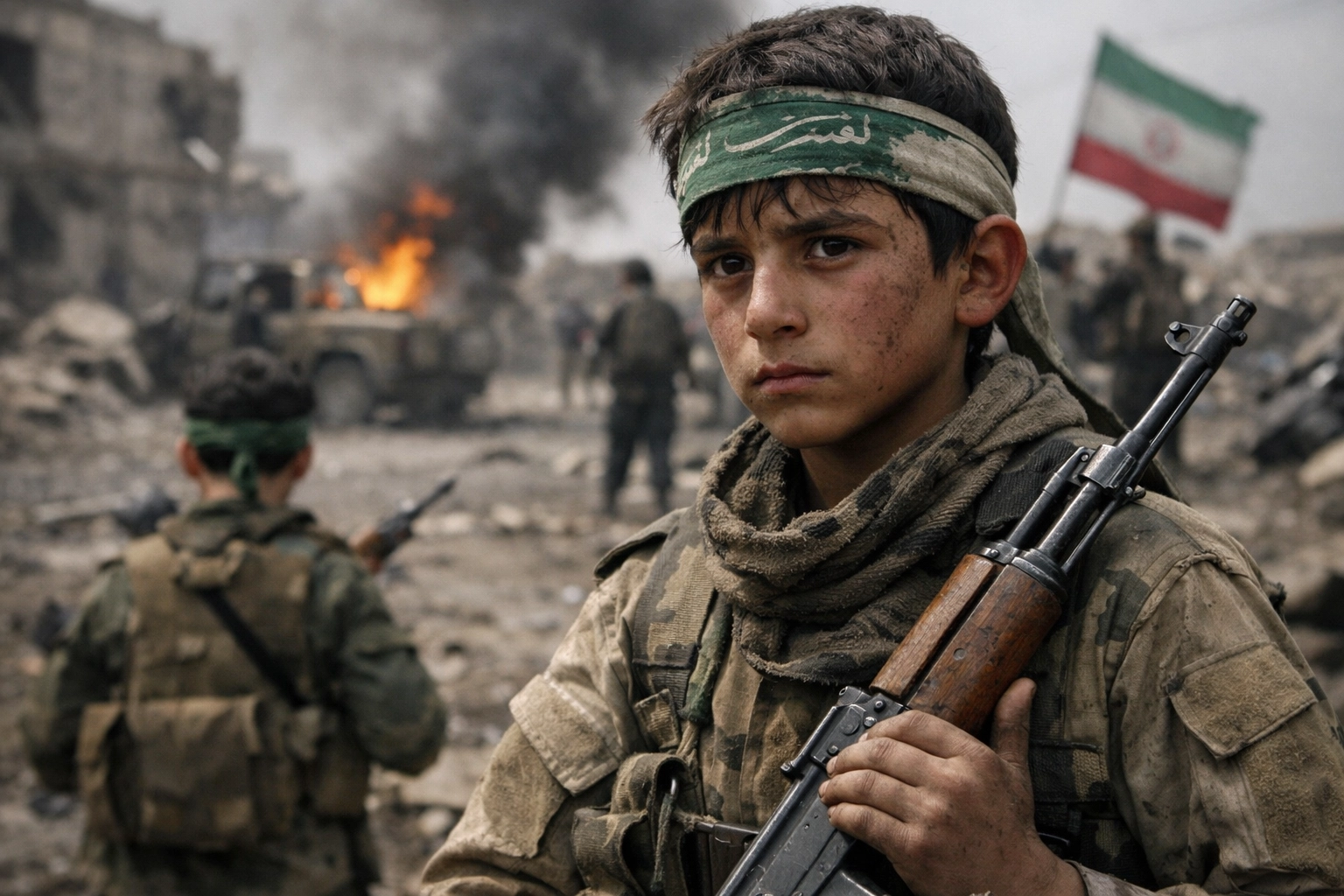
As of April 2026, the situation on the ground in Iran appears to have taken a darker turn. Following a series of intensive air strikes targeting military infrastructure, the Islamic Revolutionary Guard Corps (IRGC) has reportedly initiated a recruitment drive that targets children as young as twelve. While international attention stays fixed on missiles and military responses, the human cost is being carried by children who should be in school, not standing at military checkpoints.
The Recruitment of the Youngest Defenders
The IRGC officially launched a campaign titled "Homeland-Defending Combatants for Iran" in late March 2026. On the surface, the state portrays this as a surge of patriotic volunteerism. However, the details tell a much more desperate story. Recruitment centres, often based in local mosques and Basij facilities, have been instructed to accept "volunteers" from the age of twelve and upwards. This isn't just about logistical support or back-room roles; these children are being trained for operational and security functions.
Eyewitness accounts from cities like Tehran and Rasht suggest that these young recruits are already being integrated into the security apparatus. Reports have emerged of children, some appearing no older than thirteen or fourteen, wielding AK47-pattern rifles at urban checkpoints. These youngsters are being used to fill a critical void left by personnel shortages, as regular forces are moved to front-line positions or higher-priority military installations.
The rhetoric used to justify this recruitment is heavily laden with historical sentiment. State-run media frequently references the "Sacred Defence" during the Iran-Iraq War of the 1980s, a period when hundreds of thousands of children were sent to the front lines. By framing the current crisis in the same existential light, the authorities are effectively normalising the presence of children in combat zones. But for the families involved, the reality is far from the heroic narrative projected by the state.
Legal Realities and International Violations
When we talk about the recruitment of anyone under the age of fifteen into armed forces, we are moving into the territory of international humanitarian law violations. The Rome Statute of the International Criminal Court is very clear on this: conscripting or enlisting children under the age of fifteen into national armed forces or using them to participate actively in hostilities is a war crime.
Even if the state claims these children are "volunteering," international law does not recognise the ability of a child to consent to participate in armed conflict. The IRGC’s "Homeland-Defending Combatants" campaign essentially bypasses these legal safeguards by lowering the minimum age requirement and branding the children as part of the Basij, a paramilitary wing that has long occupied a legal grey area. However, regardless of the label: whether they are called volunteers, paramilitaries, or guards: the act of putting a weapon in the hands of a twelve-year-old and placing them in a military target zone is a clear breach of global standards.
Human rights organisations have been quick to condemn these actions. Analysts following independent news UK coverage have pointed out that this recruitment drive may reflect extreme desperation. It suggests that the recent strikes against IRGC facilities may have damaged infrastructure and also placed severe strain on the manpower of the Iranian security forces. Using children as a "human shield" or as a stop-gap for personnel shortages is a tactic with a deeply troubling history in conflict settings.
The Human Cost on the Front Lines
The most heart-breaking aspect of this crisis is the tangible loss of young life. On 29 March 2026, the world saw a glimpse of the consequences when eleven-year-old Alireza Jafari was killed at a checkpoint in Tehran. Alireza was not a soldier by any traditional definition, but he was present at a military target during an Israeli drone strike. He was there because his father, an IRGC Basij member, felt pressured to bring his children to work due to a lack of available staff.
Alireza’s story is one of many untold stories emerging from the region. His mother later shared that his father believed the boy needed to be "prepared for the days ahead." This sentiment reflects a broader, forced militarisation of childhood in certain segments of Iranian society. When children are encouraged to view checkpoint duty or logistical military support as a rite of passage, the line between civilian and combatant becomes dangerously blurred.
Beyond the immediate physical danger, there is the psychological impact on these children. Being placed in high-stress environments, often armed and expected to perform security checks on their fellow citizens, robs them of their childhood and exposes them to levels of violence and responsibility they are not equipped to handle. The international community, while focused on the macro-politics of the Middle East, must not lose sight of these individual tragedies. The death of a child at a military checkpoint is not just "collateral damage"; it is the direct result of a policy that treats children as disposable assets in a geopolitical game.
Looking at the wider picture, the child soldier crisis in Iran is a deeply serious issue involving legal, moral and strategic failures. The IRGC's reported decision to lower recruitment ages would amount to a grave violation of international law, exploiting the vulnerability of young people under the guise of national defence. While the geopolitical situation remains fluid and complex, protecting children must remain a clear priority for the international community.
The voices of families like Alireza’s are often lost in broader narratives about war and diplomacy. Bringing attention to these untold stories helps build a fuller understanding of the conflict and its human consequences. The recruitment of children signals not only pressure within the system, but also a human rights crisis that demands scrutiny and accountability.
The unfolding situation in Iran is a reminder that the true cost of war is often carried by those with the least power. As attention remains fixed on regional strikes and diplomatic developments, the safety of children in Iran remains a critical concern. Ensuring that international law is upheld and that children are protected from recruitment remains essential to any meaningful path towards stability and justice.