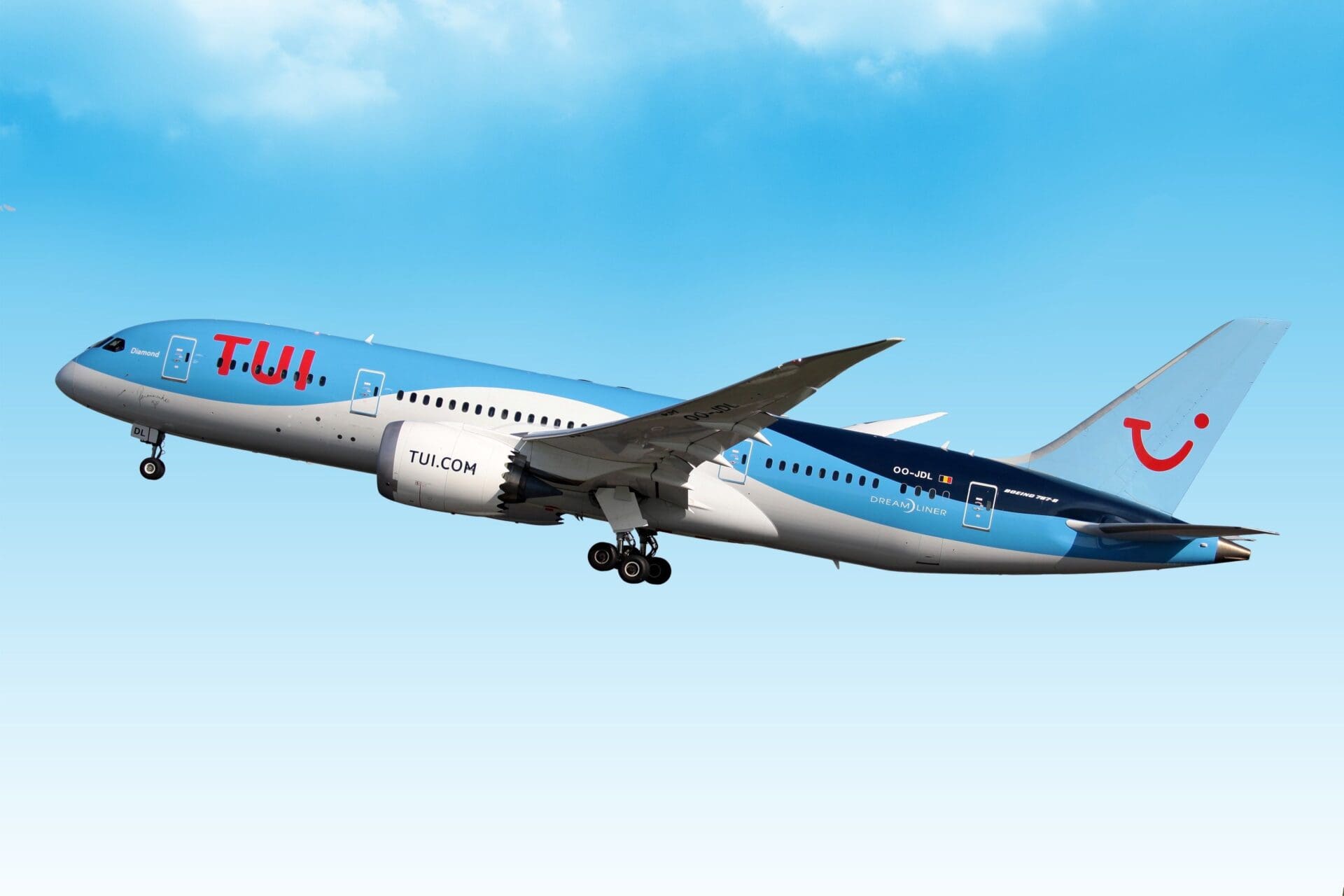
Tui has abruptly terminated its high-profile sponsorship of one of the country’s most-watched reality television franchises. The decision, which marks a significant shift in the brand’s commercial strategy, comes in the wake of harrowing allegations involving serious sexual misconduct during the production of the series. By severing ties with the programme, the holiday operator is sending a blunt message: no major brand can afford to be seen bankrolling a production engulfed by claims of abuse. This move follows a period of intense public and regulatory scrutiny, with the safety and welfare of participants on reality shows thrust back into the spotlight.
The fallout escalated after a series of disturbing reports surfaced, detailing accounts from women who participated in the social experiment show. These reports described incidents of non-consensual sexual acts and rape, allegedly occurring while the production was underway. The severity of these claims has sent shockwaves through the entertainment industry and triggered a rapid retreat from commercial partners who once viewed the show’s huge audience as a prized advertising target. For Tui, a brand built on the promise of relaxation, safety and family-friendly experiences, any association with such allegations became indefensible. The company has made clear that its decision to pull out of the sponsorship deal for both the UK and Australian versions of the show is a direct response to the nature of the misconduct reported.
A Brutal Break From Reality TV
The relationship between major advertisers and reality television has long been a lucrative one, but it is increasingly being viewed as a high-risk gamble. For years, the programme in question served as a cornerstone of the broadcaster’s evening schedule, attracting millions of viewers and providing a platform for brands to reach an engaged audience. Tui’s involvement was a significant part of this ecosystem, with the brand often appearing in segments that promised romantic getaways and luxury honeymoons for the show’s participants. However, the commercial landscape has changed. In an era where corporate social responsibility is at the forefront of consumer consciousness, brands are being held to a higher standard regarding the content they fund.
The decision to exit the sponsorship deal was not merely a defensive PR move but a strategic withdrawal from a production environment that is now being questioned at every level. Industry analysts suggest that the cost of staying associated with the programme far outweighed any potential marketing gains. When a brand’s logo is displayed alongside content that is being investigated for criminal conduct, the damage to its reputation can be long-lasting. By acting swiftly, the travel firm has attempted to insulate itself from the growing firestorm. This break highlights a growing trend where corporations are no longer willing to look the other way in exchange for high ratings. The focus has shifted from "eyes on screens" to the ethical foundations of the productions they support.
This withdrawal is also reflective of the precarious nature of "experimental" reality formats. These shows often rely on high-pressure environments and emotional volatility to generate entertainment. When those pressures lead to allegations of serious criminal harm, the entire structure of the show becomes a liability. The broadcaster involved has already taken the drastic step of removing previous seasons from its streaming platforms, acknowledging that the content is no longer appropriate for public consumption. For the holiday operator, the choice was clear: the glamour of the show’s romantic premise had been permanently tarnished by the reality of the survivors’ accounts.
Allegations That Shattered the Façade
At the heart of this corporate exodus are the voices of the women who came forward to share their experiences. The allegations are not merely about a failure of production etiquette or a lapse in communication; they involve life-altering trauma and accusations of criminal violence. According to the reports that prompted Tui’s departure, multiple women have alleged that they were subjected to sexual assault while filming. These incidents were reportedly known to some elements of the production staff at the time, or were brought to light shortly after, yet the shows continued to be broadcast to millions. The disconnect between the "romance" presented on screen and the alleged reality behind the scenes is what has sparked the most significant outrage.
The failure of the "duty of care" protocols is central to this crisis. Broadcasters and production companies have a legal and moral obligation to ensure that the people participating in their shows are safe from harm. In this instance, the systems designed to protect vulnerable participants appear to have failed catastrophically. The fact that such serious allegations could emerge from a controlled production environment raises fundamental questions about the oversight of reality TV. How can a production team, equipped with cameras, security, and staff, allow such incidents to occur? This question is now being asked by regulators, viewers, and the sponsors who provided the financial lifeblood for the show.
For the victims, the trauma is compounded by the public nature of the platform. Being part of a show that is watched by the nation adds a layer of scrutiny and vulnerability that is difficult to navigate. The courage required to come forward against a major production entity cannot be overstated. By pulling its sponsorship, the travel brand is indirectly acknowledging the weight of these testimonies. It is a recognition that the "entertainment" being sold was potentially built on a foundation of exploitation and negligence. The impact of these allegations will likely be felt for years, as the legal and psychological repercussions for those involved continue to unfold.
Corporate Reputation Meets Moral Risk
The ripple effects of Tui’s departure are expected to change the way brands approach television sponsorship moving forward. We are seeing a fundamental shift in how media companies and their financial backers interact. In the past, a simple apology or a promise to "do better" might have been enough to satisfy corporate partners. Today, the demand is for systemic change. The media regulator has already intervened, reminding all broadcasters of their stringent obligations regarding the welfare of programme participants. This is a clear indication that the hands-off approach to reality TV production is coming to an end.
The industry is now facing a reckoning. Production companies will have to implement far more robust safety measures, including independent reporting lines and enhanced psychological support that remains in place long after the cameras stop rolling. For brands like Tui, the lesson is one of vigilance. Companies are increasingly employing specialized teams to vet the ethical standards of the media properties they sponsor. They are no longer just buying a slot in a commercial break; they are buying into the culture of the production. If that culture is found to be toxic or dangerous, the brand must be prepared to leave immediately to protect its own integrity.
This case serves as a landmark moment for corporate ethics in the UK media landscape. It demonstrates that the power of the purse is one of the most effective tools for enforcing change. When major sponsors walk away, they force broadcasters to confront the flaws in their business models. The prioritisation of ratings over human safety is a trade-off that is no longer being accepted. As the investigation into the misconduct allegations continues, the focus will remain on how the industry can rebuild trust. For now, the departure of a major commercial partner stands as a stark reminder that in the modern age, a brand’s reputation is inextricably linked to the ethics of the stories it helps to tell. The era of silent sponsorship in the face of serious misconduct is over.