

























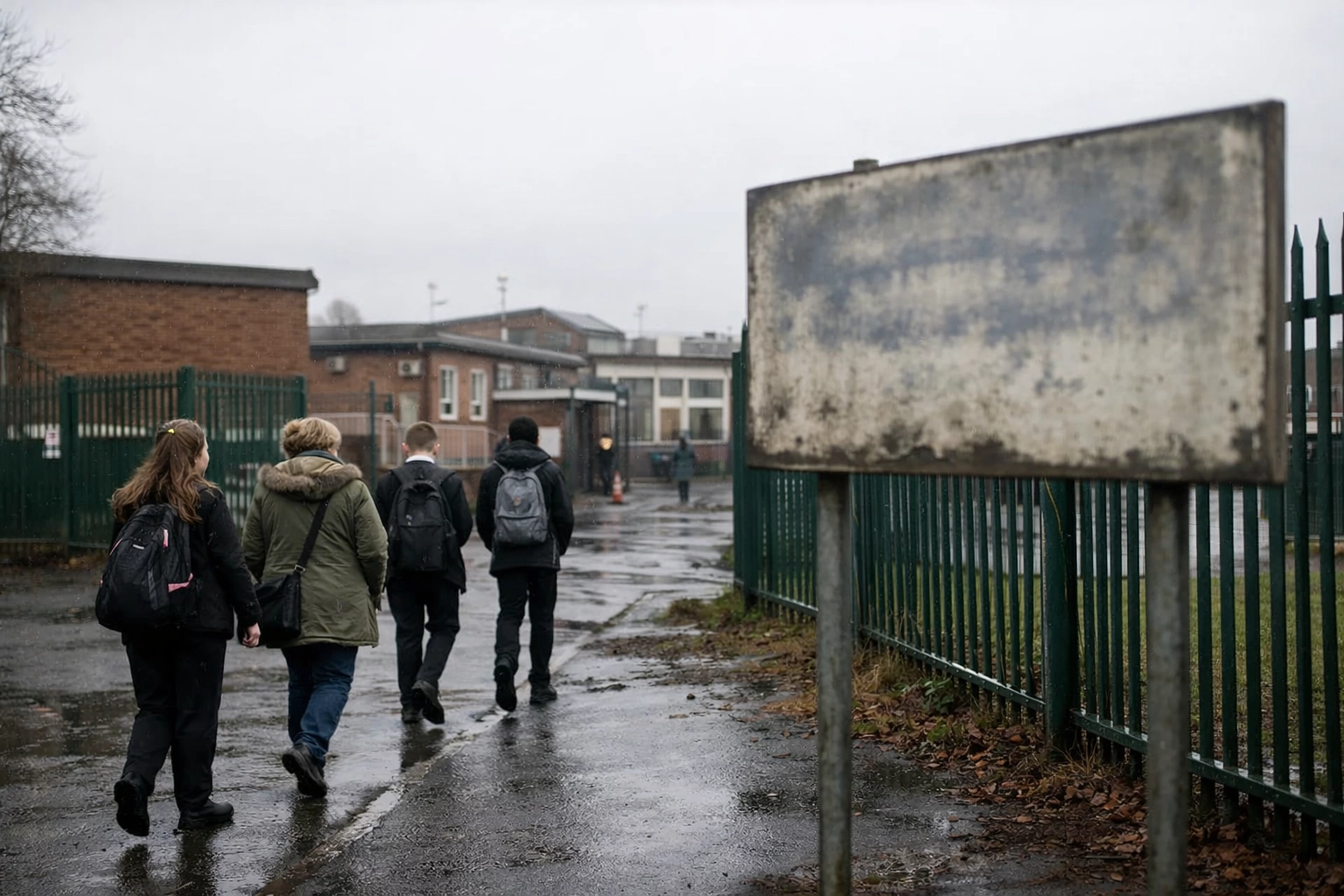

Schools in England’s most deprived areas are nearly three times more likely to be marked down on achievement by inspectors than schools in affluent areas.
The gap is raising fresh questions about how inspection outcomes reflect pupil intake and local conditions, not just classroom standards.
The Ofsted gap: how deprivation links to outcomes
Data shows inspection results are closely tied to a school’s socio-economic context.
Schools with more disadvantaged pupils are more likely to be judged on lower attainment measures, even where progress from starting points is strong.
Schools in wealthier catchments typically report higher prior attainment at entry, stronger parental engagement and steadier staffing, all factors associated with higher grades.
What a downgrade means for staff, pupils and towns
A “Requires Improvement” or “Inadequate” judgment can trigger intervention and additional monitoring.
School leaders say the label can worsen recruitment and retention, as experienced staff move to higher-rated schools.
For pupils, the reputation of a school can affect confidence and post-16 choices, with knock-on effects for local training and employment pipelines.
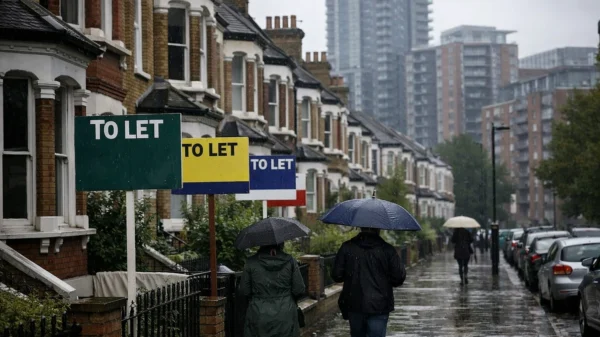
In some areas, poor ratings are linked to reduced demand for housing and weaker inward investment, particularly where a school is a key community institution.
What ministers and regulators face next
The debate is focusing on whether inspection should place more weight on progress, attendance, safeguarding and local context.
Any change would have implications for accountability, school improvement funding and how performance is communicated to parents.
With more data expected on the longer-term impact of inspection grades, pressure is likely to grow for reforms that better separate school quality from deprivation.