Science is officially cool again. Not that it ever really left, but there was a period where the wonder of the natural world seemed to be buried under a mountain of dry data and overly formal documentaries. Thankfully, that era is well and truly over. As we move through May 2026, the ripple effects of the massive science content surge of 2025 are still being felt across the UK. From the return of prehistoric giants to the gruesome reality of biological functions, the "Dinos & Danger" trend is dominating our screens.
At NowPWR, we’ve been tracking how these narratives are being reshaped. As a source for independent news uk, we’ve seen a shift in how audiences consume factual content. People don't just want facts anymore; they want immersion, high-stakes drama, and a bit of that "untold stories" magic that makes you feel like you’re discovering a secret for the very first time.
If you’ve been living under a literal rock: perhaps one with a trilobite fossil in it: here are the top five things to watch right now that prove science has reclaimed its throne as the king of entertainment.
The Evolution of Prehistoric Storytelling
First on the list is the massive reboot of the BBC’s 'Walking with Dinosaurs'. Anyone who grew up in the early 2000s remembers the original series. It was revolutionary, but looking back now, the CGI looks a bit like a PlayStation 2 cutscene. The 2025 revival changed everything. Using the latest in rendering technology and AI-driven animation, the new series doesn't just show you a T-Rex; it shows you the individual feathers on its back and the moisture on its gums.
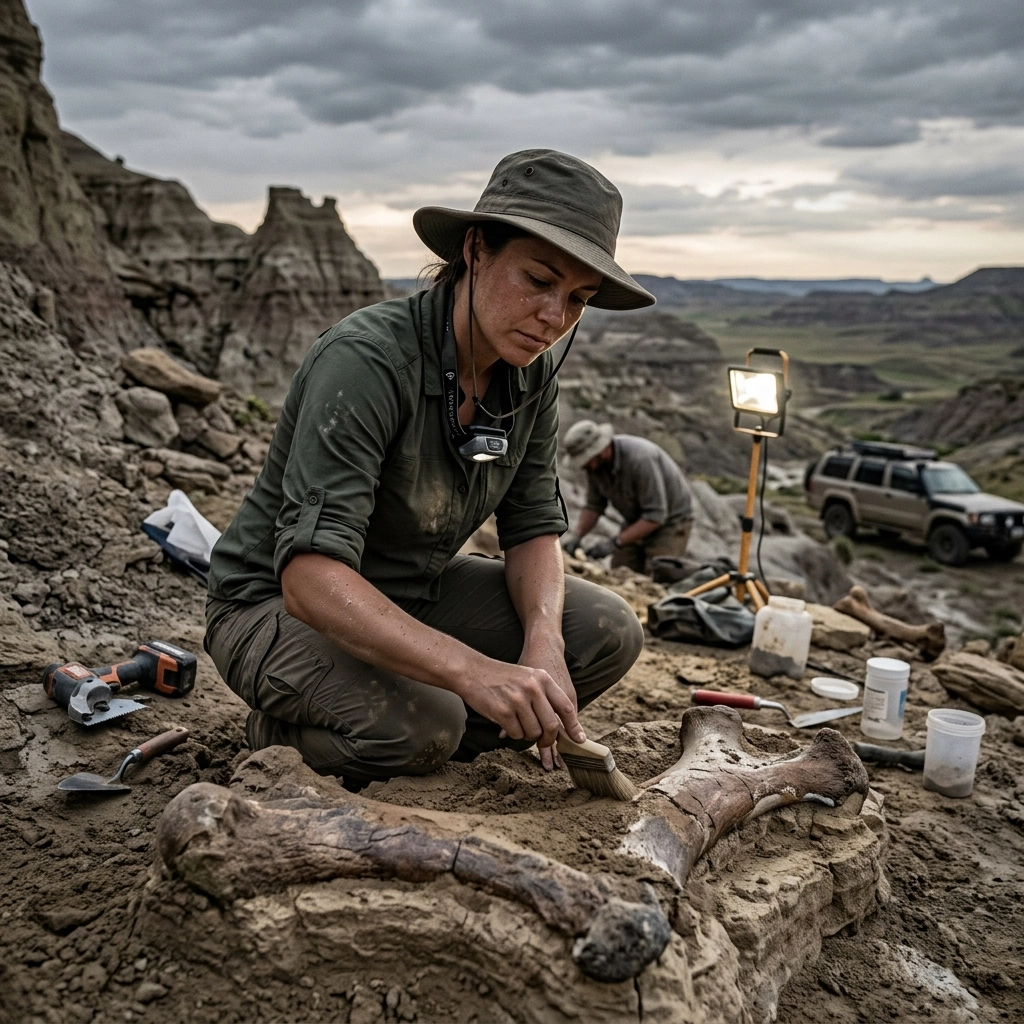
The tech used here isn’t just for show. The producers worked alongside leading palaeontologists to incorporate the most recent discoveries. We’re talking about the "untold stories" of dinosaur behaviour that were previously just theories. We see social structures, complex mating rituals, and even evidence of play among predators. It’s science, but it feels like a high-budget thriller. This is exactly why science is back in the mainstream. It has embraced the spectacle without sacrificing the truth. For those interested in how these stories are vetted, you can check our https://www.nowpwr.com/legal/editorial-standards-ethics-policy to see how we handle factual reporting.
Then there’s the 'danger' element. The series doesn't shy away from the brutality of the Mesozoic era. It’s a visceral reminder that for millions of years, our planet was a chaotic, beautiful, and terrifying place. It’s this mix of awe and adrenaline that is keeping audiences glued to their sofas, proving that independent news uk outlets aren't the only ones finding success by leaning into the raw reality of the world.
Next up is 'Horrible Science'. Based on the legendary book series, this adaptation has finally hit its stride. If 'Walking with Dinosaurs' is the epic cinematic experience, 'Horrible Science' is its messy, rebellious younger sibling. It takes all the things kids (and, let’s be honest, adults) find fascinating: slime, guts, explosions, and weird parasites: and turns them into a fast-paced, witty education.
The brilliance of this return lies in its tone. It treats its audience with respect, assuming they can handle the "gross" parts of biology and chemistry. It’s about the danger of discovery and the excitement of the unknown. It’s a perfect example of how the "untold stories" of the microscopic world can be just as thrilling as a giant lizard chasing a jeep.
Exploring the Untold Stories of Our Planet
While the BBC has been busy with dinosaurs and gore, the broader scientific community has been busy with something even more mind-blowing: de-extinction. This isn't just a plot point for a blockbuster movie anymore. Companies like Colossal Biosciences have been making headlines throughout 2025 and 2026 with their roadmap for bringing back species like the woolly mammoth and the dodo.
This is where the "Dinos & Danger" theme gets very real. While we aren't quite at the stage of building a park on a remote island, the genetic engineering involved is staggering. Scientists are using a "remix" approach: taking the DNA fragments of extinct animals and filling in the gaps with their modern relatives. It’s a high-stakes game of biological Tetris. The danger here isn't just about the animals themselves, but the ethical minefield they represent.
As a platform for independent news uk, we’ve followed the debates surrounding these projects closely. Are we doing this for the environment, or for the sheer "because we can" of it all? These are the "untold stories" of our future. Bringing back a mammoth isn't just about having a cool pet; it’s about the potential to restore ecosystems that have been out of balance for millennia. However, the risk of things going sideways: invasive species, ecological collapse, or ethical disasters: is always lingering in the background.
Then we have the fourth big thing to watch: the surge in "Extreme Space" documentaries. We’ve moved past the slow, meditative pans of the moon. Today’s space content is all about the "danger." We’re looking at black holes that devour entire star systems, the terrifying reality of solar flares that could wipe out our power grids, and the "untold stories" of the early universe. The visuals are so crisp you’d swear they were filmed on location. This shift towards the high-drama side of astrophysics has made science feel urgent and relevant. It reminds us that we live on a very small, very fragile marble in a very hostile neighbourhood.
Finally, we have the rise of the "Science Influencer." Platforms are overflowing with experts who have ditched the lab coats for ring lights. They are the ones telling the "untold stories" of everyday science: why your coffee tastes a certain way, how your phone is actually tracking your brain waves, and the dangerous chemicals hiding in plain sight. This grassroots science movement is part of the reason why mainstream broadcasters had to up their game. The competition for our attention is fierce, and science is winning because it’s finally learned how to tell a good story.
The Future of Science in Modern Content
The comeback of science isn't just a fluke; it’s a response to a world that feels increasingly complex. People are looking for answers, but they want those answers to be engaging. They want to know the "untold stories" of how we got here and where we’re going. By blending high-end tech with a casual, witty tone, creators have managed to bridge the gap between the lecture hall and the living room.
What’s particularly interesting is how this reflects on the media landscape as a whole. At NowPWR, we understand that our audience values transparency and a friendly approach to complex topics. Whether we’re discussing the latest in AI technology or the ethical implications of genetic engineering, the goal is always to make the information accessible without dumbing it down. You can learn more about our mission on our https://www.nowpwr.com/about page.
As we look toward the rest of 2026, the trend shows no signs of slowing down. There are rumours of even more ambitious projects on the horizon, including immersive VR experiences that let you walk through prehistoric jungles from your own home. The "Dinos & Danger" era is just the beginning. We are entering a golden age of factual content where the only limit is our own imagination: and perhaps the occasional ethical boundary.
The success of these programmes proves that there is a massive appetite for "untold stories" that challenge our understanding of the world. Science isn't a static collection of facts; it’s a living, breathing, and often dangerous adventure. Whether it’s through independent news uk or global broadcasting giants, the message is clear: the world is a lot more interesting than we often give it credit for.
In summary, the return of science to the forefront of popular culture is a win for everyone. It encourages curiosity, fosters a better understanding of our planet, and: most importantly: it’s incredibly fun to watch. From the feathered dinosaurs of the BBC to the genetic remixes of the world's top labs, the stories being told today are the ones that will inspire the scientists of tomorrow.
The resurgence of science-based entertainment represents a significant shift in audience priorities. Consumers are increasingly seeking content that provides both intellectual stimulation and high-production value. This trend is likely to continue as technological advancements make it easier to visualise complex scientific concepts. As the boundaries between entertainment and education continue to blur, the focus remains on delivering accurate, engaging, and thought-provoking narratives that resonate with a global audience. The ongoing fascination with our planet's past and its potential future ensures that science will remain a central pillar of the media landscape for years to come.