The crashing waves of the English Channel have long been a symbol of Brighton’s rugged beauty, but for one family from Uxbridge, they now represent a site of unimaginable loss. For ten days, the silence surrounding the deaths of three sisters: Jane Adetoro, 36, Christina Walters, 32, and Rebecca Walters, 31: has been heavy, punctuated only by the formal updates of a police investigation and the growing roar of internet speculation. Today, that silence was broken as the sisters’ father, Joseph, stepped forward to share his grief and to reclaim the narrative of his daughters’ lives from the shadows of a digital age.
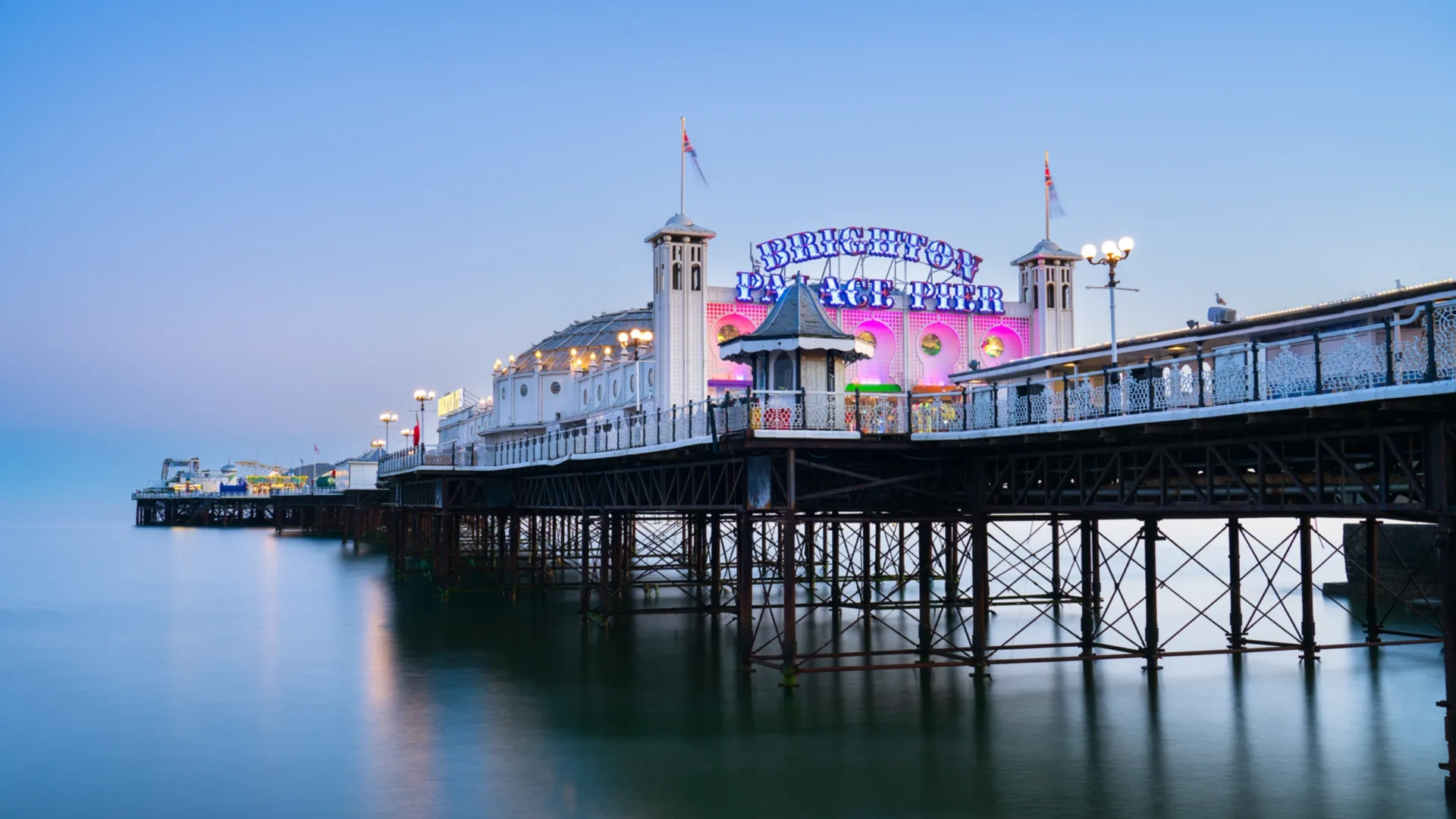
The tragedy unfolded in the early hours of 13 May, when emergency services were called to the Black Rock area, near the eastern end of Brighton’s famous promenade. It is a stretch of coastline where the pebbles are steep and the tide can be unforgiving. In the cold, grey light of dawn, the bodies of the three women were recovered from the water near the Brighton Marina. The news sent shockwaves through the local community and back to their home in West London, leaving a trail of questions that investigators are still working tirelessly to answer. As the investigation enters its second week, the focus has shifted from the immediate shock of the discovery to the deeper, more complex story of the three women who walked onto that beach and never returned.
The sisters were known in their local community as a tight-knit trio, often seen together and described by neighbours as "inseparable." Jane, the eldest, was a pillar of support for her younger sisters, while Christina and Rebecca were often described as the creative heart of the family. Their presence in Brighton on that Tuesday night remains the central mystery of the timeline, one that Sussex Police are piecing together through hundreds of hours of CCTV footage and witness testimonies. As the public gallery watches on, the family has finally chosen to speak, not to provide the answers everyone craves, but to remind the world of the humanity behind the headlines.
A Father’s Tribute and a Plea for Privacy
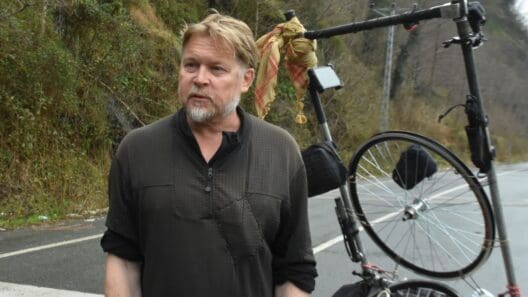
Joseph’s statement, released through a family spokesperson, was a harrowing glimpse into the heart of a father who has lost everything. He spoke of his daughters not as the subjects of a police inquiry, but as "unique and precious" individuals who brought a specific, irreplaceable light into the world. His words were carefully chosen, reflecting a man who is navigating the sharpest edges of grief while under the intense glare of the national spotlight. He described a home once filled with laughter and the "vibrant energy" of three distinct personalities, now silenced by a tragedy that defies easy explanation.
In his tribute, Joseph recalled the individual qualities that made each of his daughters special. Jane was the pragmatist, the one who kept the family organised and looked after everyone else. Christina was the dreamer, an artist at heart who saw beauty in the mundane. Rebecca, the youngest, was the spark of the group, known for her quick wit and her ability to brighten any room. "Today, with a heart full of sorrow and love, I pay tribute to my beloved daughters," Joseph said, his voice reaching out from a place of profound devastation. He emphasised that while their physical presence was gone, their spirits would remain woven into the fabric of his life and the lives of those they touched.
Beyond the tribute, however, was a firm and necessary plea for privacy. The family has found themselves at the centre of a media storm, with photographers and reporters hovering on the periphery of their lives during their most private moments of mourning. Joseph made it clear that while they understand the public interest, the need for space to process this loss is paramount. He asked for the public to respect the boundaries of their grief, allowing them to honour Jane, Christina, and Rebecca in peace. It was a reminder that behind every "breaking news" alert is a family whose world has been permanently altered.
Navigating the Shadows of Online Speculation
While the family mourns, a darker side of the digital landscape has emerged. In the absence of immediate, concrete answers from the police, the void has been filled by a cacophony of online speculation. From social media forums to comment sections, self-appointed "detectives" have spent the last week weaving intricate and often baseless theories about what happened on that Brighton beach. These conspiracy theories, ranging from the absurd to the malicious, have added an extra layer of trauma to an already unbearable situation for the sisters’ relatives.
The family has expressed deep distress over these narratives, which often ignore the factual reality of the investigation in favour of sensationalism. Sussex Police have been clear: there is currently no evidence of third-party involvement or criminality. Yet, the viral nature of modern misinformation means that these official statements are often drowned out by the noise of speculation. The sisters' father specifically addressed this in his remarks, condemning those who use his daughters' deaths as fodder for entertainment or online engagement. He urged people to remember that these were real women with real lives, not characters in a true-crime drama.
The impact of such speculation is far-reaching. It not only hurts the family but can also potentially hinder the police investigation by cluttering tip lines with "information" based on theories rather than fact. Detectives have been forced to dedicate resources to debunking rumours that have gained traction online, distracting from the vital work of tracing the sisters’ movements between Uxbridge and Brighton. The family’s stance is a call for a return to decency: a request for people to pause before they post and to consider the human cost of their curiosity.
The Search for Answers Beneath the Waves
As the flowers at the Black Rock memorial continue to pile up, the official investigation continues with a quiet intensity. Sussex Police have stressed that they are "leaving no stone unturned." The focus remains on a specific window of time: between 10:00 pm on Tuesday, 12 May, and 5:30 am on Wednesday, 13 May. Officers are tracing the path the sisters took, looking for any sign of what might have led them to the water’s edge. They are appealing for anyone who was in the area of Madeira Drive or the Black Rock car park during those hours to come forward, even if they think what they saw was insignificant.
The complexity of an investigation involving the sea cannot be overstated. Environmental factors, tides, and the lack of traditional physical evidence in water make these cases incredibly difficult to piece together. However, the use of technology has become a cornerstone of the inquiry. High-definition CCTV from businesses along the seafront, as well as dashcam footage from late-night taxis and delivery drivers, is being cross-referenced to build a minute-by-minute account of the sisters' final hours. The goal is to provide Joseph and his family with the clarity they need to find some semblance of closure, however distant that may seem.
For the community in Brighton, the tragedy has prompted a wider conversation about safety along the coast. While the beach is a place of recreation for millions, it can also be a place of extreme danger, particularly at night. Local authorities have seen a renewed call for better lighting and more visible safety signage in the areas away from the central pier. But for now, the focus remains squarely on the three sisters from Uxbridge. Their story has touched the heart of the nation, serving as a sombre reminder of the fragility of life and the enduring strength of a father’s love. As the investigation moves forward, the memory of Jane, Christina, and Rebecca Walters remains at the forefront, a beacon of light in the wake of a devastating storm.