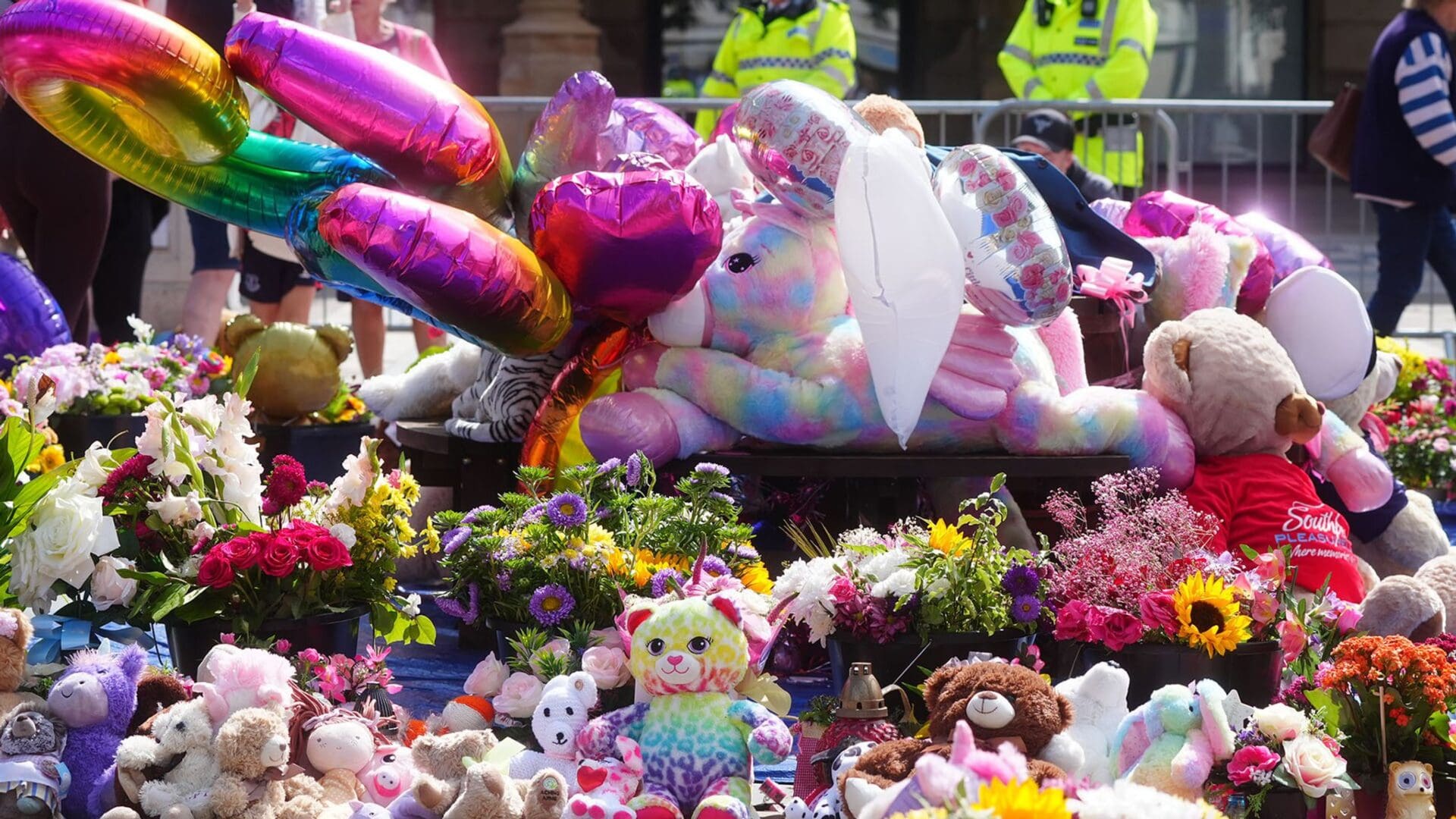
For months, the families of twenty-three children have lived in a state of legal limbo that they describe as a secondary trauma.
While the nation mourned the three young lives lost in the Southport attack, a quieter, more complex battle has been brewing behind the scenes of the justice system. The parents of the survivors, girls who walked away from the scene with life-altering injuries and deep emotional scars, are now speaking out against the very laws designed to protect them. They argue that the blanket anonymity orders imposed by the courts have effectively erased their daughters from the public record, rendering their survival and their ongoing suffering invisible to the world.
In the aftermath of the tragedy, the focus was understandably on the victims whose lives were cut short. Their names and faces became symbols of a community’s grief. However, for the families of the twenty-three survivors, the legal process has mandated a different path. Under current reporting restrictions, these children cannot be identified, and their specific stories of recovery cannot be shared in any detail that might lead to their identification. While intended to shield vulnerable minors from the glare of social media and the intrusion of the press, the parents contend that these restrictions have become a wall of silence that prevents them from advocating for their children or even acknowledging the scale of what they have endured.
The frustration among these families is palpable. They speak of a system that made decisions on their behalf without fully explaining the long-term consequences. For many, the anonymity order was presented as a standard procedure, a protective measure to ensure their children could return to a normal life without being defined by the horrors of that day. But as the months have passed, the reality of that protection has felt more like a gagging order. These parents find themselves unable to participate in public campaigns, unable to speak at community events under their own names, and unable to share the full extent of their daughters’ bravery without risking a breach of the law.
The Invisible Survivors of a National Tragedy
The core of the parents’ argument lies in the distinction between privacy and erasure. They acknowledge that privacy is essential for recovery, but they argue that the current legal framework does not allow for a middle ground. By banning the identification of the survivors, the courts have inadvertently created a narrative where only the deaths are recorded. The twenty-three girls who survived, many of whom faced significant physical injuries and continue to struggle with severe psychological trauma, are treated as a collective, anonymous statistic rather than individuals with their own stories of resilience.
This lack of recognition has practical implications. When the public discusses the Southport attack, the focus remains almost entirely on the three deceased victims. This skew in the narrative affects how resources are allocated, how public sympathy is directed, and how the community processes the event. For the parents of survivors, it feels as though their children’s pain is being devalued because it is hidden. They describe the difficulty of explaining to their daughters why their names are never mentioned, why their courage is not celebrated, and why the world seems to have forgotten that they, too, were there.
Furthermore, the anonymity orders complicate the process of seeking support. Families who wish to set up specific funds for their children’s long-term care or who want to join national conversations about knife crime and youth safety find themselves hampered by the fear of identification. They are trapped in a paradox: they want to use their lived experience to drive change, but the law prevents them from being the face of that experience. This has led to a sense of isolation, as though they are carrying a burden that the rest of society is not permitted to see.
A Shield That Has Become a Shackle
The legal justification for these orders is rooted in the Children and Young Persons Act, which allows judges to prohibit the publication of any details that could identify a child involved in court proceedings. In high-profile cases like the Southport attack, these orders are often applied automatically or with very little pushback from the parties involved. The intention is noble: to prevent children from being hounded by the media or bullied by peers, and to allow them to outgrow the victim label as they enter adulthood.
However, the parents of the Southport survivors argue that this one-size-fits-all approach is outdated and fails to account for the wishes of the families themselves. Many of these parents believe that the decision to remain anonymous should be a choice, not a mandate. They argue that at a certain point, the child and their guardians should have the right to opt out of the protection if they feel that visibility is more beneficial than secrecy. They point to the fact that some of the girls themselves have expressed a desire to be known, to have their injuries recognised, and to stand alongside the families of those who died.
The legal system’s rigidity means that even well-meaning efforts to honor the survivors are fraught with difficulty. Community memorials or charity events must be carefully choreographed to ensure no names of the survivors are inadvertently revealed. This creates a clinical atmosphere that many parents find distressing. They feel that the law is prioritising a theoretical risk of future harm over the immediate emotional need for recognition and community support. The "shield" of anonymity, they say, has become a "shackle" that prevents them from reclaiming their own narratives.
Redefining Justice for the Forgotten Children
As the calls for reform grow louder, there is an increasing demand for a more nuanced approach to reporting restrictions in cases of major national trauma. Legal experts have noted that while the current laws are designed for typical criminal cases, they may not be fit for purpose when an entire community is affected by a single, catastrophic event. The Southport families are not just asking for their names to be printed in the newspapers; they are asking for the right to exist in the public consciousness on their own terms.
A proposed middle ground involves the introduction of "informed consent" mechanisms, where parents can apply to have anonymity orders lifted or varied as the recovery process evolves. This would allow families to decide when and how their children’s identities are shared, ensuring that the move toward visibility is handled sensitively and at a pace that suits the individual child. It would also empower survivors to become advocates if they choose, transforming their status from passive victims of a tragedy into active participants in the aftermath.
For the people of the UK, the struggle of the Southport parents serves as a reminder that justice is not just about the verdict in a courtroom; it is about how a society remembers and supports those left behind. The survivors of the Southport attack have shown incredible strength in the face of unimaginable horror. Their parents are now asking for that strength to be acknowledged. They are calling for a system that protects children without silencing them, and for a national conversation that includes every child who was in that room that day. Until the law catches up with the reality of their lives, these families will continue to fight to ensure that their daughters are never truly erased from history.