The home of football is often a place where legends are made on the pitch, but this week, the spotlight at Wembley Stadium has shifted to the stands to honour a different kind of hero. In a move that has touched the hearts of the sporting community, Pippa Sharman, a dedicated Reading supporter, has seen a section of the iconic national stadium renamed in her honour. The tribute serves as a permanent reminder of the day she stepped out of her role as a spectator and into the role of a life-saver, proving that the most important results in football are sometimes decided off the ball.
The story began during a routine league fixture that felt like any other Saturday afternoon. For Pippa, following the Royals has always been about the community, the shared tension of the ninety minutes, and the local pride of the Berkshire club. However, the atmosphere shifted instantly when a medical emergency unfolded in the vicinity. An opposition supporter had collapsed, and as the crowd called for help, the gravity of the situation became clear. While many stood in shock, Pippa’s instincts and training kicked in. Without hesitation, she moved toward the individual, finding them in cardiac arrest and unresponsive.
In those critical seconds, the match on the pitch became irrelevant. The roar of the stadium faded into the background as Pippa focused entirely on the person in front of her. Having previously undertaken basic first aid and CPR training, she knew that every second without intervention was a second lost. She began chest compressions immediately, maintaining the rhythm and pressure required to keep blood flowing to the brain and vital organs. It was a display of immense composure under pressure, a trait usually reserved for the players taking penalties at the other end of the field.
The Moment of Crisis and Swift Action
The intervention lasted for several minutes, though for those involved, it felt like an eternity. Pippa continued the life-saving compressions until the stadium’s medical team and paramedics arrived with a defibrillator. Her quick thinking and refusal to bypass the emergency provided the vital bridge between the collapse and professional medical care. Experts often cite the "chain of survival," and on that afternoon, Pippa was the strongest link. By the time the patient was stabilised and moved to a waiting ambulance, the news had begun to filter through the stands: a fan had saved a life.
The survival of the opposition supporter was later confirmed, leading to an emotional reunion between the two. For Pippa, the act was not about seeking praise; it was a visceral reaction to a fellow human being in need. Yet, the impact of her actions resonated far beyond the Select Car Leasing Stadium. It sparked a conversation within the Reading fanbase and the wider footballing world about the importance of being prepared for the unexpected. Football brings thousands of people together in confined spaces, and the reality is that medical emergencies can happen anywhere. Pippa’s story highlighted that the most effective tool in such a crisis is not just a piece of medical equipment, but a person with the confidence to act.
Recognition from the club followed quickly, but the ultimate tribute was reserved for the national stage. As the season reached its climax with the high-stakes play-offs, the authorities at Wembley Stadium, in collaboration with national health charities, decided to make a statement that would be seen by millions. They chose to rename one of the prominent stands after Pippa for the duration of the finals. This gesture was designed to do more than just thank one individual; it was intended to humanise the stands and remind every person attending the game that they have the potential to be a hero.
A Landmark Recognition at the Home of Football
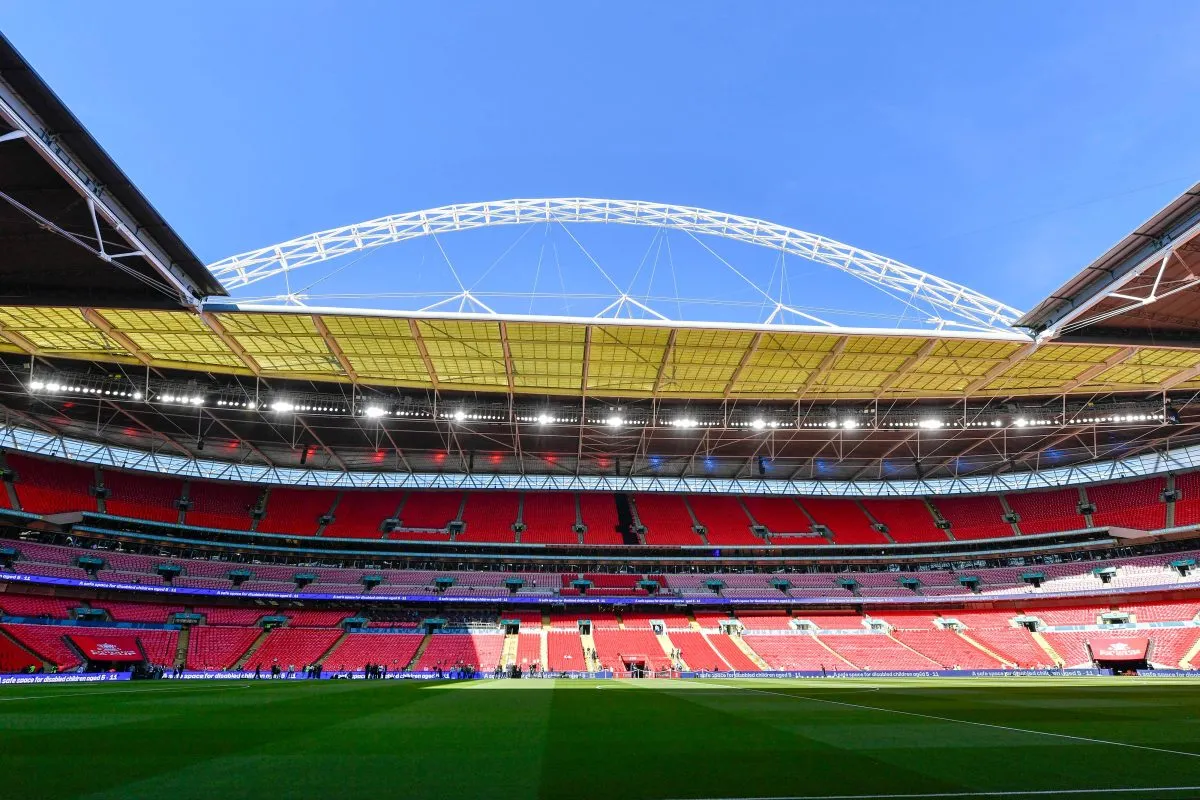
Walking into Wembley to see "The Pippa Sharman Stand" emblazoned across the seating tiers was an overwhelming experience for the Reading local. For a fan who has spent years watching matches from the perspective of the terraces, seeing her own name integrated into the architecture of the national stadium was a surreal moment. The tribute was unveiled during a bright ceremony ahead of the first play-off final, attended by representatives from the football league and health advocates. It was a rare moment of unity where club rivalries were set aside to celebrate the common thread of humanity that binds all supporters.
The decision to rename a stand at Wembley is not one taken lightly. Usually, such honours are reserved for the giants of the game: the managers who have lifted the World Cup or the players who have defined generations. By choosing a fan, the organisers sent a powerful message about the value of the supporter within the ecosystem of the sport. It acknowledged that while players provide the entertainment, the fans provide the soul and, in this instance, the safety net. The bright, bold lettering of the stand served as a beacon throughout the weekend, prompting spectators to ask about the story behind the name and, crucially, to think about their own readiness to help.
The reaction from the public has been overwhelmingly positive. Social media and community forums have been filled with messages of support, with many noting that Pippa’s tribute is one of the most fitting honours seen at the stadium in recent years. It has reframed the narrative of the "ordinary fan," showing that there is nothing ordinary about the courage required to step into a life-or-death situation. For the Reading community, it has been a point of immense pride to see one of their own recognised at the highest level of the game.
The Growing Legacy of Heart Health in Sport
Beyond the immediate tribute, Pippa’s story is part of a much larger movement within British sport to improve heart health awareness. In recent years, high-profile incidents involving professional players have brought the issue into the living rooms of millions. These events have led to a significant increase in the number of defibrillators installed at grassroots pitches and a push for better screening for young athletes. However, the focus is now shifting toward the fans. Campaigns are increasingly targeting the people in the seats, encouraging them to spend just a few minutes learning the basics of CPR.
The renaming of the Wembley stand is the centrepiece of a campaign that aims to train hundreds of thousands of people in life-saving skills. The logic is simple: the more people who know how to perform CPR, the higher the survival rates for out-of-hospital cardiac arrests. Pippa’s experience serves as the perfect case study. She wasn’t a doctor or a nurse; she was a fan who had taken the time to learn a skill, and that skill changed the course of a family’s life. By elevating her story, the hope is that others will follow her lead, turning every football stadium in the country into a safer place.
As the season concludes and the temporary signage at Wembley is eventually removed, the legacy of the tribute will remain. Plans are already in motion to create more permanent recognition for life-savers within the club grounds across the country. Pippa Sharman has become a symbol of a new kind of sporting hero: one who doesn't wear a kit or score goals, but who understands the ultimate value of a life. Her name on that Wembley stand was more than just a thank you; it was a call to action for every person who loves the game to ensure that the community spirit of football continues to save lives long after the final whistle has blown.
The story of the Reading fan at Wembley is a reminder that while we often go to the stadium to escape the pressures of the real world, the real world sometimes follows us in. When it does, it is the bravery and preparation of people like Pippa that ensure the story has a happy ending. As football moves forward, the focus on health and safety will only grow, fueled by the inspiration of individuals who prove that the greatest victories are won when we look out for one another.