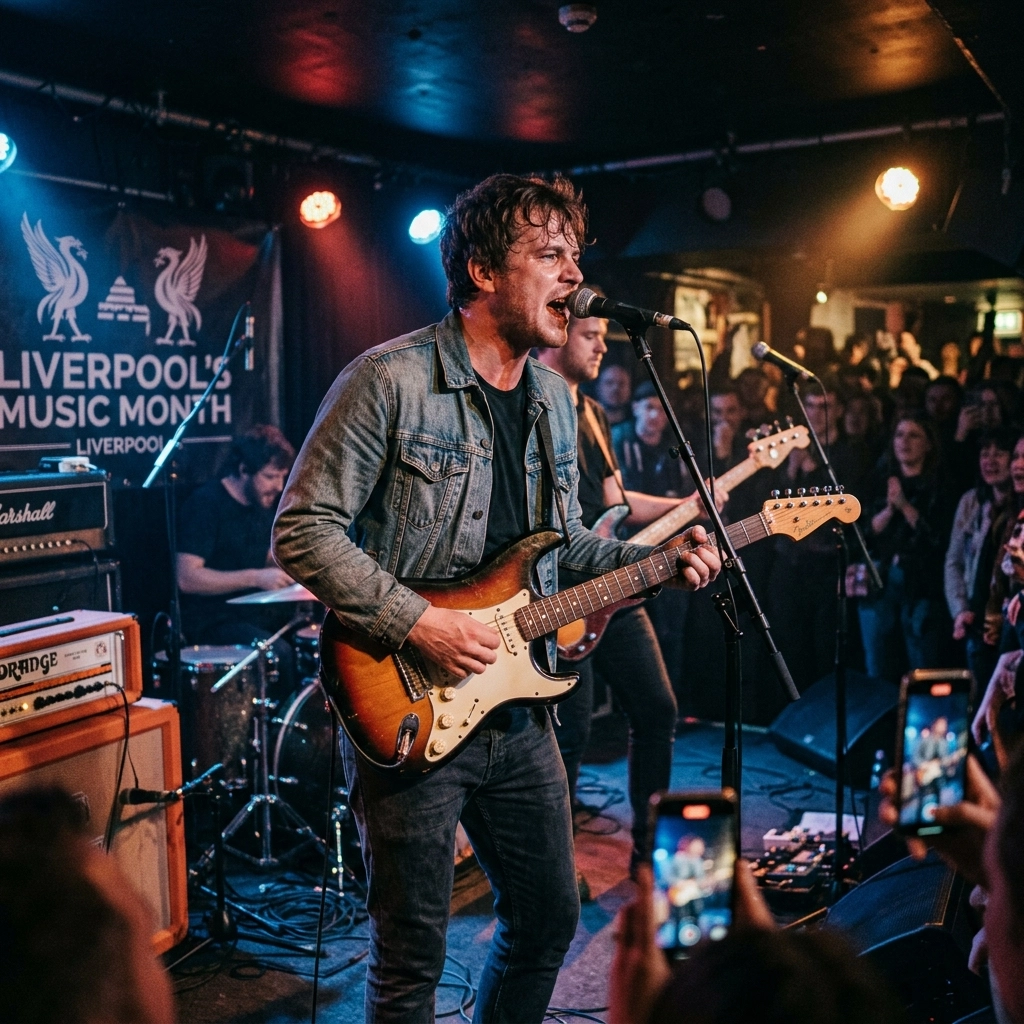
Liverpool has always been a city that marches to its own beat, usually one played on a slightly battered guitar in a basement that smells faintly of damp and ambition. But this May 2026, the volume has been turned up to eleven. We aren’t just talking about a couple of Saturday night sessions down at the local; we are talking about the inaugural Liverpool Music Month. It is a city-wide takeover, a four-week marathon of sound celebrating the fact that Liverpool remains the UK’s only UNESCO City of Music. While the rest of the country might be obsessing over the usual festival circuit, this is 'independent news uk' at its best: focusing on the 'untold stories' of the venues and artists that make this maritime city the heartbeat of the British creative scene.
The air in the Baltic Triangle is currently thick with the scent of street food and the hum of amplifiers. This isn’t just about the heritage of four lads from the sixties; it is about the future of the industry. From the grandeur of the Philharmonic Hall to the industrial grit of the warehouses near the docks, the schedule is packed. We have seen Sound City kick things off with its usual chaotic brilliance, but the month is far from over. Whether you are a fan of soulful crooners, indie rebels, or the kind of electronic bass that makes your teeth rattle, there is something on the calendar that demands your attention.
It is easy to get lost in the sheer scale of the programming. With workshops, community events, and legendary venues opening their doors to new talent, the city is essentially one big stage. However, if you are looking to narrow down your itinerary to the absolute essentials, there are five standout performances and events that define the spirit of this inaugural celebration. This is about more than just music; it is about the culture of a city that refuses to be quiet.
The Soul Revival: Jalen Ngonda at the Philharmonic
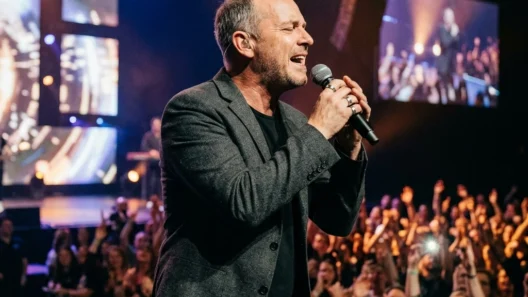
There is something inherently bold about putting a modern soul sensation in the middle of one of the most prestigious classical venues in the country. Jalen Ngonda is not your typical chart-topper; he is a storyteller with a voice that feels like it has been aged in oak barrels. His performance at the Liverpool Philharmonic is easily one of the most anticipated slots of Music Month. For those who haven’t been following the 'untold stories' of the modern soul revival, Ngonda represents a bridge between the classic Motown era and the contemporary UK scene.
The Philharmonic Hall provides the perfect acoustic backdrop for Ngonda’s velvet-smooth vocals. Usually, the "Phil" is home to the Royal Liverpool Philharmonic Orchestra, but for Music Month, the doors have swung open to artists who challenge the traditional boundaries of the space. It is a brilliant bit of programming. The contrast between the Art Deco elegance of the room and the raw, emotive power of Ngonda’s performance creates an atmosphere that you simply won't find at a muddy outdoor festival. It’s sophisticated without being stuffy: a characteristic that Liverpool has perfected over the decades.
Watching Jalen Ngonda is like stepping back in time while keeping both feet firmly in 2026. He brings a level of craftsmanship to his songwriting that is often lost in the age of viral snippets and three-second hooks. His setlist is a masterclass in tension and release, moving from upbeat, foot-tapping numbers to ballads that could bring a tear to the eye of even the most cynical Scouser. If you miss this, you are missing the soul of the month, literally. It is the kind of gig people will be talking about in the pubs of Hope Street for months to come, claiming they were there when the Phil felt like a 1960s soul club.
Indie Royalty and Empowerment: Kate Nash Takes the Stage
If Jalen Ngonda brings the soul, Kate Nash brings the fire. A mainstay of British indie-pop for nearly two decades, Nash has evolved from the "Foundations" era into a formidable force of independent music and activism. Her inclusion in Liverpool Music Month is a stroke of genius, representing the city’s long-standing connection to rebellious, guitar-driven pop. Nash doesn't just play songs; she delivers a manifesto. Her presence in the city this May is a reminder that the best music often comes from those who aren't afraid to be a bit loud and a lot honest.
Performing in one of the city's more intimate venues, Nash’s set is expected to be a riotous mix of nostalgia and new-age empowerment. She has always been an artist who champions the underdog, and in a city like Liverpool: which thrives on its "us against the world" mentality: her message resonates deeply. This is a gig for those who like their melodies with a side of sharp wit and social commentary. It fits perfectly with the 'independent news uk' ethos of looking beyond the surface to see the impact of an artist’s work on the community.
Beyond the music, Nash’s involvement often extends to workshops and talks, which are a core component of this month’s festivities. Music Month isn't just about passive consumption; it’s about inspiring the next generation of Scouse talent to pick up an instrument and say something meaningful. Kate Nash’s career is a blueprint for how to navigate the industry on your own terms. Whether she’s shredding on a bass or delivering a spoken-word interlude, her performance is a testament to the enduring power of the independent spirit. It’s raucous, it’s colourful, and it’s quintessentially British indie.
Closing the Circuit: The Baltic Weekender’s Electronic Edge
As we approach the end of May, the energy shifts from the concert halls to the warehouses. The Baltic Weekender is the grand finale of Music Month, taking over the Baltic Triangle with a line-up that reads like a who’s who of house, techno, bass, and grime. This is where the 'untold stories' of Liverpool’s underground nightlife come to the forefront. While the city’s musical history is often tied to the Merseybeat era, its contemporary reputation is heavily built on the success of its electronic music scene.
The Baltic Weekender isn’t just a festival; it’s a takeover of an entire district. Venues like Camp and Furnace and Brick Street become the epicentre of a city-wide rave that lasts for 48 hours. The programming is deliberately diverse, ensuring that the heavy hitters of the DJ world share the stage with local up-and-comers. It’s a bold, loud, and unapologetic celebration of dance culture. The industrial aesthetic of the Baltic Triangle, with its red-brick warehouses and repurposed spaces, provides the perfect gritty backdrop for the high-octane visual and audio production.
What makes the Baltic Weekender a "can't miss" event is its ability to capture the raw energy of the city. There is no VIP-only elitism here; it’s a communal experience where the barrier between the performer and the crowd is non-existent. As the final major event of Music Month, it serves as a high-intensity punctuation mark on the four-week celebration. It proves that Liverpool’s UNESCO City of Music status isn't just a trophy on a shelf: it’s a living, breathing, and occasionally sweating reality. If you want to see the city at its most vibrant, the Baltic Triangle at 2 AM during the Weekender is the place to be.
The inaugural Liverpool Music Month is a significant milestone for the city's cultural identity. By blending high-profile performances with community-focused workshops and showcases of emerging talent, the event has successfully highlighted the breadth of the local music ecosystem. From the soul-stirring notes at the Philharmonic to the industrial beats of the Baltic Triangle, the month-long celebration has demonstrated that Liverpool remains a global leader in musical innovation and heritage.
The success of the event lies in its diversity and its commitment to providing a platform for a wide range of genres and artists. As the festivities draw to a conclusion with the Baltic Weekender, the impact of Music Month will likely be felt in the city's creative sectors for years to come. It has not only celebrated established legends and contemporary stars but has also unearthed new narratives within the city's vibrant arts scene. For those who participated, whether as performers or spectators, May 2026 has been a definitive reminder of the power of music to unite and energise a city.