The dark web is often painted as a digital boogeyman, a lawless basement of the internet where you can buy anything from a rocket launcher to a stolen identity. But for those who actually navigate its encrypted corridors, the reality is far more sinister than a simple black market. It is a place where the most vulnerable members of society are traded as commodities in the shadows of the Tor network. While most of us sleep soundly, unaware of the bit-rate battles happening on our doorsteps, a small, dedicated band of cyber-warriors is fighting a silent war.
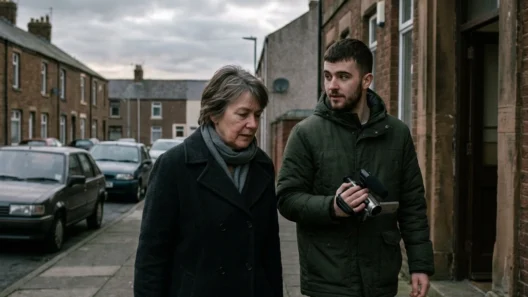
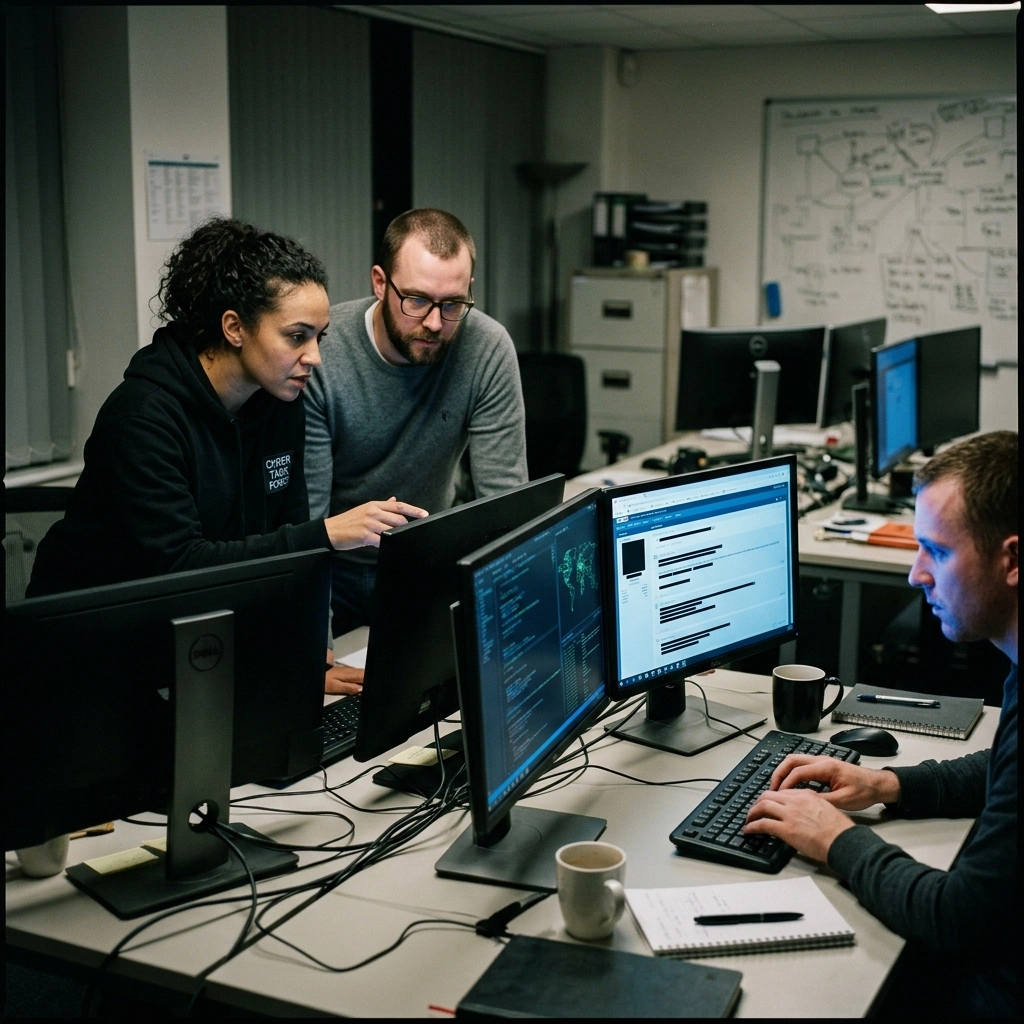
BBC Eye's documentary 'The Darkest Web' recently pulled back the curtain on this hidden conflict, following US agent Greg Squire and a global task force. This isn't your standard police procedural. There are no high-speed chases or dramatic doors being kicked in: at least not at first. Instead, the battleground is a dim room, glowing with the harsh light of multiple monitors, where the click of a mouse is the most dangerous weapon. These investigators are hunting ghosts, and the stakes couldn't be higher: the lives of children who have been lost in the digital ether.
In a world saturated with rolling news and 280-character hot takes, these are the untold stories that often slip through the cracks. It takes years of patient, soul-crushing work to dismantle these networks. The documentary highlights the sheer persistence required to track predators who believe they are untouchable behind layers of encryption and anonymised servers. It is a world of high-stakes undercover work where one wrong keystroke could blow a years-long operation and put victims in even greater peril.
The Gritty Reality of Digital Undercover Operations
Greg Squire isn't the flashy, tech-bro version of a federal agent you might see in a Hollywood blockbuster. He is a man who has spent the better part of his career staring into the abyss so that others don't have to. The work is gruelling. To catch a predator on the dark web, you often have to think like one, or at least pretend to be one. This means infiltrating exclusive, invite-only forums where the currency isn't just Bitcoin, but evidence of horrific abuse.
The psychological toll of this work is immense. Investigators are exposed to the absolute worst of humanity on a daily basis. They have to categorise, analyse, and track content that most people would find physically sickening. Yet, they push forward because they know that every image, every video, and every chat log contains a clue. Digital forensics is the art of finding the signal in the noise. It might be a reflection in a window, a specific brand of cereal in the background of a photo, or a unique timestamp that reveals a time zone. These breadcrumbs are the only way to turn an anonymous IP address into a physical location.
What makes this mission particularly fascinating is the level of international cooperation involved. We often hear about the geopolitical tensions between the West and countries like Russia, but in the realm of protecting children, the lines are surprisingly blurred. Law enforcement agencies from across the globe, including those from nations that are traditionally adversaries, have been known to share intelligence. Predators don't care about borders, and neither do the cyber-warriors hunting them. It’s a rare example of global unity, driven by the shared realisation that the dark web provides a borderless sanctuary for the unthinkable.
Tracing the Breadcrumbs to Rescue Lucy
The documentary centres on the heart-wrenching case of 'Lucy', a pseudonym for a young girl who became the focal point of an international rescue mission. Tracking Lucy wasn't just about technical wizardry; it was about the human element of digital investigation. The team had to decode the specific language and behaviours of the predators who were exploiting her. This involved months of undercover dialogue, building trust with individuals who are naturally paranoid and technically savvy.
The breakthrough in Lucy’s case came through a combination of old-school detective work and cutting-edge forensic analysis. The investigators managed to identify a digital footprint that led them away from the encrypted darkness and toward a physical address. The tension in these moments is palpable. When you’ve spent years tracking a shadow, the transition to the physical world is fraught with danger. The moment the 'cyber' part of the job ends and the 'warrior' part begins is where the risks skyrocket.
Rescuing a victim like Lucy isn't the end of the story; it’s the beginning of a long road to recovery. The documentary doesn't shy away from the aftermath. It highlights the importance of the support systems that must be in place once the handcuffs are on and the servers are seized. These children have been through a digital and physical trauma that is difficult to comprehend, and the 'victory' for the agents is always tempered by the knowledge of what the victims have endured. It serves as a stark reminder that while the technology is complex, the human cost is incredibly simple and devastating.
The Crucial Role of Independent News UK
Why do we need to hear these stories? Because the dark web thrives on silence and the assumption that nobody is watching. Independent news UK outlets have a responsibility to bring these narratives to the public eye, not for the sake of sensationalism, but for awareness and accountability. When we talk about untold stories, we are talking about the realities that are too uncomfortable for mainstream, ad-driven cycles to dwell on for long.
The work of journalists like Sam Piranty, who spent seven years documenting this investigation, is vital. It provides a level of depth that a five-minute news segment simply cannot achieve. By highlighting the work of people like Greg Squire, independent media helps to bridge the gap between the average citizen and the complex digital threats that exist today. It also puts pressure on tech companies and governments to do more. If the dark web is a place where predators can hide, then the light of public scrutiny is the best disinfectant we have.
This isn't just about one agent or one victim. It’s about the systemic issues of digital safety in the 21st century. As we move more of our lives online, the potential for exploitation grows. The 'Cyber-Warriors' are our first and last line of defence, but they cannot do it alone. They need the resources, the legal frameworks, and the public support to continue their work. By sharing these stories, we acknowledge the bravery of the investigators and the resilience of the survivors, ensuring that the shadows of the dark web are never truly dark enough to hide the truth.
The battle against child exploitation on the dark web is an ongoing and evolving challenge that requires constant vigilance. As technology advances, so do the methods used by those who wish to cause harm. However, the dedication of international law enforcement teams and the persistence of undercover officers provide a necessary counterweight to these digital threats. Through rigorous digital forensics and cross-border collaboration, investigators continue to make significant strides in identifying and rescuing victims.
The stories of those working on the front lines, as well as the stories of the survivors, underscore the critical importance of maintaining focus on these hidden corners of the internet. Public awareness and continued support for investigative work are essential components in the collective effort to protect children. While the complexities of the dark web remain, the commitment to bringing predators to justice and ensuring the safety of the vulnerable remains a global priority. Through the combined efforts of law enforcement, advocacy groups, and informed reporting, the fight to safeguard the digital world continues.