Walking down a typical British high street today feels a bit different than it did a decade ago. While the big-name retailers have largely migrated to out-of-town shopping centres or the digital world, our local pavements have been colonised by a new wave of independent businesses. You’ve likely noticed them: the neon-lit vape shops, the brightly decorated nail bars, and those American-style candy stores that seem to spring up overnight. While many of these are legitimate businesses run by hardworking entrepreneurs, a nationwide crackdown is revealing a darker side to the high street. Authorities are currently engaged in a massive money laundering blitz, suggesting that your local shop might just be a front for something much more sinister.
This isn't just a plot from a crime drama; it is a reality that is reshaping how law enforcement views local commerce. For those of us following independent news uk, these untold stories are becoming increasingly common. The "grey economy" is no longer tucked away in back alleys; it is right there in plain sight, nestled between the chemist and the bakery. The scale of the issue is staggering, involving billions of pounds in illicit funds being funnelled through the registers of shops that, on the surface, look like any other small business.
The hidden mechanics of high street front companies
A front company is essentially a facade. Unlike a shell company, which exists only on paper to move money around, a front company is a living, breathing business. It has physical premises, staff on the payroll, and actual customers walking through the door. This veneer of legitimacy is exactly what makes them so attractive to criminal organisations. By operating a real business, criminals can mix "dirty" money: proceeds from activities like drug trafficking or human exploitation: with the "clean" revenue generated from selling legitimate goods or services.
The process of laundering through a front shop is deceptively simple. Imagine a shop that sells exotic sodas and snacks. Throughout the day, a few dozen customers might buy a drink or a bag of crisps. However, at the end of the night, the owner records hundreds of additional cash sales that never actually happened. They take the cash earned from illegal activities and put it into the till, recording it as legitimate profit. When the money is eventually deposited into a bank account, it looks like the hard-earned takings of a successful local business. This "commingling" of funds makes it incredibly difficult for bank algorithms and tax inspectors to spot the red flags.
Research into these operations shows that criminals often target sectors that are cash-heavy. When a business deals primarily in physical notes rather than card payments, the audit trail becomes much harder to follow. This is why we see a concentration of interest in businesses like car washes, laundromats, and, more recently, the explosion of vape shops and nail bars. In a world moving rapidly towards a cashless society, businesses that still insist on "cash only" or have high volumes of small cash transactions are naturally coming under the microscope of the National Crime Agency and local police forces.
Why certain sectors attract unwanted attention
You might wonder why a criminal organisation would bother with the overheads of a nail bar or a vape shop. The answer lies in the volume and the difficulty of inventory tracking. In a high-end electronics store, every item has a serial number; if you sell ten laptops but only ordered five, the discrepancy is obvious. However, in a nail bar, the primary "product" is labour and small amounts of polish. It is almost impossible for an outside observer to prove exactly how many manicures were performed on a Tuesday afternoon. This ambiguity is the perfect environment for money laundering.
Vape shops have also become a focal point for the current blitz. The rapid growth of the vaping industry has created a crowded market where many shops appear to survive despite having very few visible customers. Law enforcement agencies are looking into how these businesses sustain high rents on prime high street locations. In some cases, these shops are not just laundering money but are also involved in the distribution of illicit goods. This echoes the "Highs & Lows" case in the United States, where a shop ostensibly selling exotic snacks was actually a hub for distributing narcotics. While that specific case was abroad, the template is being mirrored across the UK.
As part of our commitment to covering untold stories, it’s important to recognise that this isn't just about tax evasion. The money being laundered through these fronts is often the lifeblood of organized crime groups involved in inside-the-uks-massive-county-lines-crackdown. When a local shop is used to wash money, it isn't a victimless crime. It provides the financial infrastructure that allows gangs to expand their reach, often bringing violence and exploitation into the very communities where these shops operate. The friendly face behind the counter might be part of a much larger, much more dangerous network.
The nationwide response to the laundering epidemic
The British government and law enforcement have significantly ramped up their efforts to tackle this "dirty money" problem. We are seeing an unprecedented level of coordination between HMRC, the National Crime Agency (NCA), and local police divisions. This blitz involves not just physical raids but sophisticated financial auditing. Authorities are now using "Unexplained Wealth Orders" to force business owners to prove the source of their funds. If a small shop in a quiet suburb is suddenly generating millions in profit without a clear explanation, the owners are now being held to account.
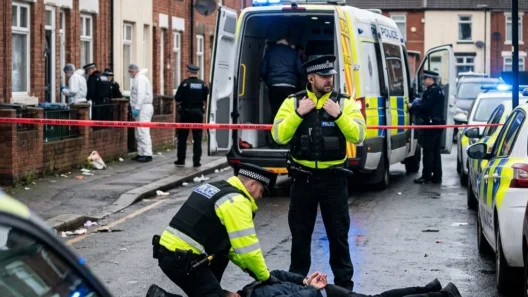
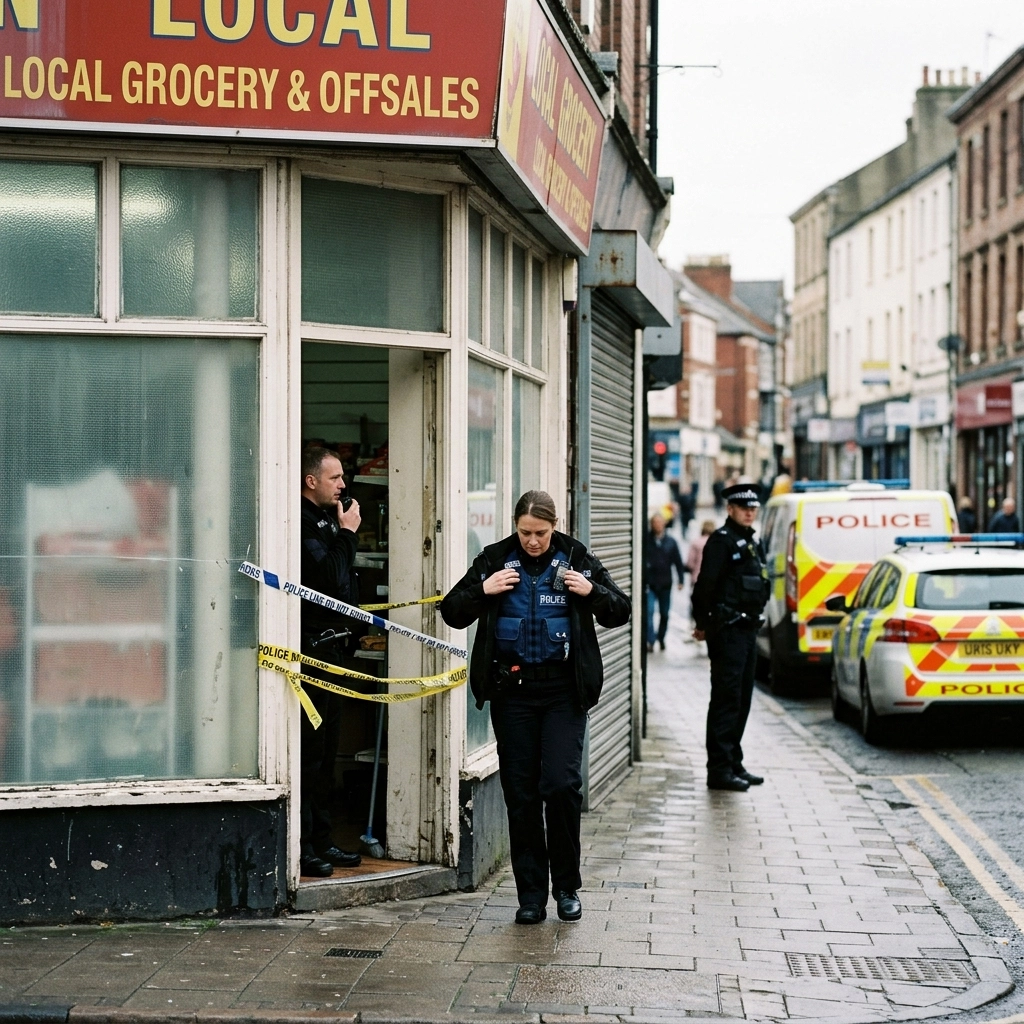
The impact of this crackdown is being felt on high streets across the country. In many towns, residents are waking up to find their local "convenience" store boarded up with police tape. These operations are often the result of months of surveillance and data analysis. By looking at footfall data versus declared earnings, investigators can identify which businesses are statistically impossible. If a shop has three customers a day but claims to be making five thousand pounds in cash sales, it doesn't take a genius to figure out that something is wrong.
However, the blitz also poses a challenge for legitimate small businesses. The increased scrutiny means that honest entrepreneurs in cash-heavy sectors are facing more paperwork and more frequent inspections. This is the collateral damage of a system trying to purge itself of criminal influence. For the average consumer, it serves as a reminder to be more aware of the businesses we support. A shop that always seems empty but stays open for years, or one that refuses to accept card payments in 2026, might be worth a second thought. As we continue to provide independent news uk, we remain focused on how these national trends affect the local communities we live in.
The fight against money laundering is a long game. As soon as authorities shut down one type of front, criminals find another. But the current blitz is sending a clear message: the high street is no longer a safe haven for hiding the proceeds of crime. The shift towards greater transparency and the use of advanced AI for financial monitoring are making it harder than ever for front companies to stay under the radar. While the physical landscape of our towns continues to change, the effort to ensure that our local shops are what they claim to be is more intense than ever.
The crackdown on high street money laundering represents a significant shift in UK law enforcement strategy. By targeting the financial outlets of organised crime, authorities hope to dismantle the incentive structures that fuel illegal activities. As these investigations continue, it is likely that even more "untold stories" will emerge from behind the counters of our local shops. The focus remains on protecting the integrity of the local economy and ensuring that the high street remains a place for genuine community commerce rather than a playground for illicit finance.