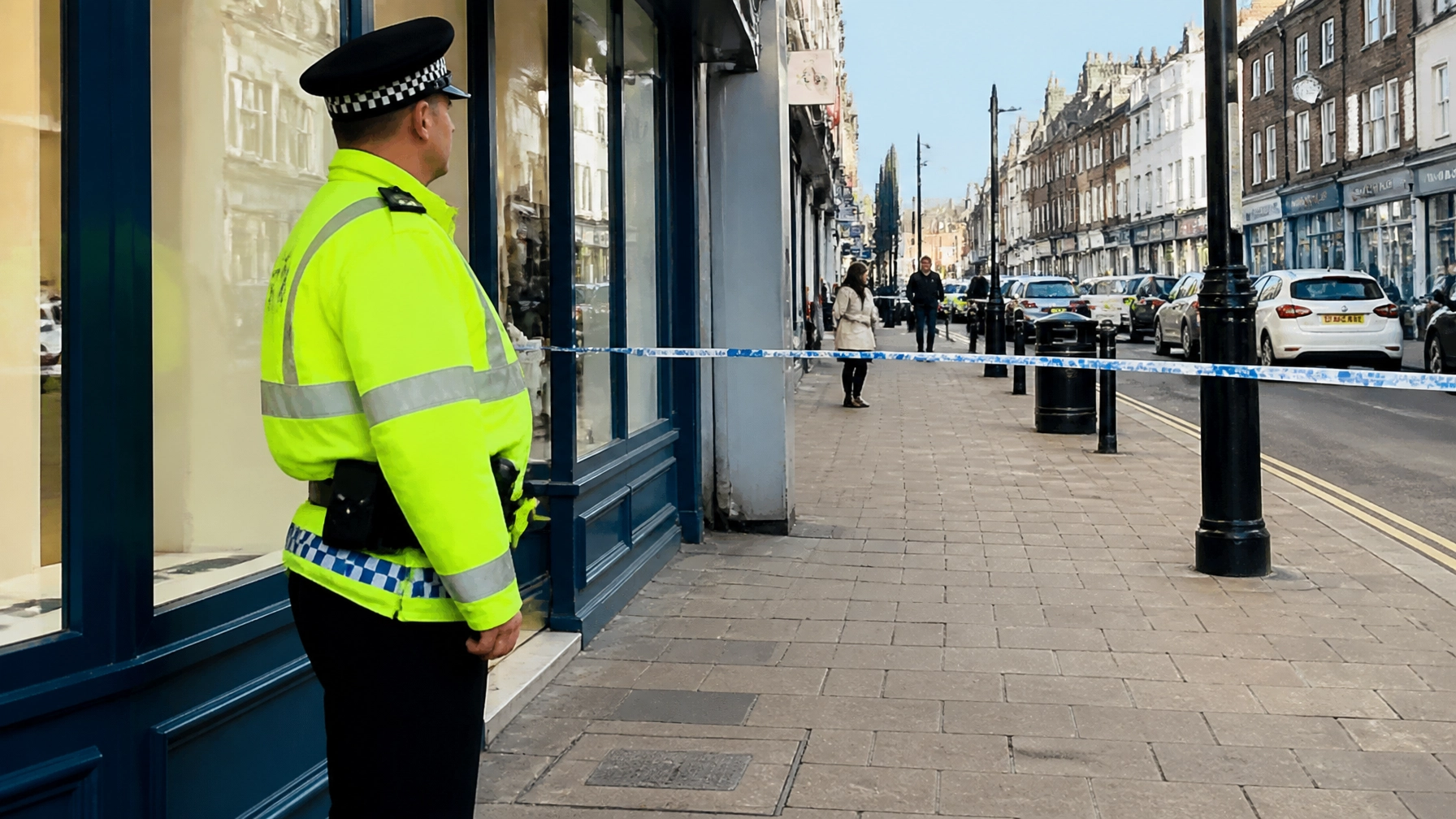
A massive nationwide crackdown has been launched to reclaim British high streets from organised crime groups using legitimate-looking businesses as fronts for illegal activity. The government has announced a new £30m police unit specifically designed to dismantle the networks behind a wave of money laundering, drug distribution, and human exploitation hiding in plain sight. This initiative follows growing concerns that the traditional face of the British high street is being hollowed out by criminal enterprises operating behind the shutters of vape shops, mini-marts, and barbers.
For many residents, the change in their local shopping districts has been palpable. Where once stood independent boutiques or established family businesses, a surge of low-turnover shops selling seemingly niche products has appeared. While many are legitimate, the National Crime Agency believes that a significant number are being used to "wash" dirty money or distribute illicit goods. The new unit, funded with £30m over the next three years, aims to turn the tide against these gangs by combining the intelligence-gathering power of the National Crime Agency with the local knowledge of regional police forces.
The scale of the problem is vast. Official estimates suggest that at least £1 billion a year is being laundered through high street businesses linked to tax evasion, illegal working, and the supply of counterfeit goods. These operations are not just financial crimes; they are often the visible end of much darker criminal pipelines involving the supply of Class A drugs and the exploitation of vulnerable individuals through modern slavery.
A Multi-Agency Offensive Against Front Businesses
The heart of this new strategy lies in its multi-agency structure. Recognising that traditional policing alone is often insufficient to penetrate complex financial fronts, the unit will see 75 new specialist police officers deployed directly into "hotspot" forces. These include Greater Manchester, the West Midlands, Essex, and Kent: areas identified as having high concentrations of suspicious high-street activity. These officers will not work in isolation but will be part of a coordinated effort involving HM Revenue and Customs, Immigration Enforcement, and the National Crime Agency.
A crucial component of this funding: approximately £6m: is being diverted to trading standards departments. These teams are often the first to notice irregularities in stock, such as the sale of illegal high-strength vapes or counterfeit cigarettes. By empowering trading standards to conduct more frequent raids and inspections, the government hopes to create a "hostile environment" for criminal shopkeepers. This surge in enforcement is expected to result in thousands of raids over the coming months, targeting businesses that serve as the infrastructure for broader criminal networks.
The strategy also aims to address the issue of "phoenixing," where a criminal business is closed down only to reopen weeks later under a slightly different name or owner. By integrating data from HMRC and Companies House, the new unit will be better equipped to track the beneficial owners behind these storefronts. This intelligence-led approach ensures that the focus remains on the high-level bosses who profit from these schemes, rather than just the low-level staff often found working on the premises.
Disrupting the £1 Billion Money Laundering Network
Money laundering is the lifeblood of organised crime. Without a way to integrate their illegal profits into the legitimate economy, gangs struggle to expand their operations. High street shops provide an ideal cover because they deal heavily in cash, making it relatively easy to inflate revenue figures and disguise the source of funds. The new unit will deploy financial investigators to scrutinise the books of businesses that appear to be operating with suspicious business models: such as shops that remain open for long hours with very few customers but still report high profits.
The impact of this activity goes beyond the financial sector. When criminal gangs move into a high street, they often outbid legitimate business owners for commercial leases, driving up rents and forcing out genuine entrepreneurs. This creates a cycle of decline where the local economy becomes dependent on illicit funds, and the social fabric of the community is eroded. Residents often report a rise in anti-social behaviour and a general sense of unease in areas where these front businesses proliferate.
Security Minister Dan Jarvis has emphasised the need to "knit together" different agencies to ensure that there are no gaps for criminals to exploit. Whether it is a barber shop that never seems to have a customer in the chair or a vape shop with blacked-out windows, the message from the government is clear: these businesses are now under intense scrutiny. The ultimate goal is not just to close down individual shops but to bankrupt the gangs behind them by seizing millions of pounds in criminal proceeds.
Strengthening Enforcement Powers and Local Accountability
To ensure the new unit has the "teeth" it needs, the government is also reviewing the use of closure orders. Currently, police and local authorities can use these orders to shut down premises linked to crime and disorder, but they are often temporary measures. A planned consultation will explore extending the duration of these closures, making it much harder for criminal enterprises to resume operations at the same location. This legislative push is designed to provide long-term relief to communities that have been plagued by persistent criminal activity.
Home Secretary Shabana Mahmood has described the initiative as a "nationwide crackdown" intended to drive organised crime off the high street and put the "bosses behind bars." This shift in focus toward the leadership of these gangs is a key part of the new unit's mandate. By targeting the financial structures that support criminal gangs, the government hopes to see a measurable reduction in the volume of illegal goods entering the country and a decrease in the associated violence that often follows the drug trade.
The success of this unit will also depend on local engagement. Police forces in the designated hotspots are being encouraged to work more closely with business improvement districts and local chambers of commerce to identify suspicious activity. For many shopkeepers who have been struggling to compete fairly against criminal-backed rivals, this new unit represents a long-awaited intervention. As the thousands of promised raids begin to take place, the hope is that the British high street can once again become a place for legitimate commerce and community connection, free from the shadow of organised crime.
The £30m investment is seen as a down payment on the future of the high street. While the challenges are significant, the combination of specialist officers, increased trading standards enforcement, and a data-driven approach to tracking money laundering marks a significant escalation in the war against organised crime. For the gangs who have long used the high street as their playground, the era of operating with impunity is coming to an end. This new unit is not just about clearing the streets; it is about rebuilding the integrity of the British economy from the ground up.