





















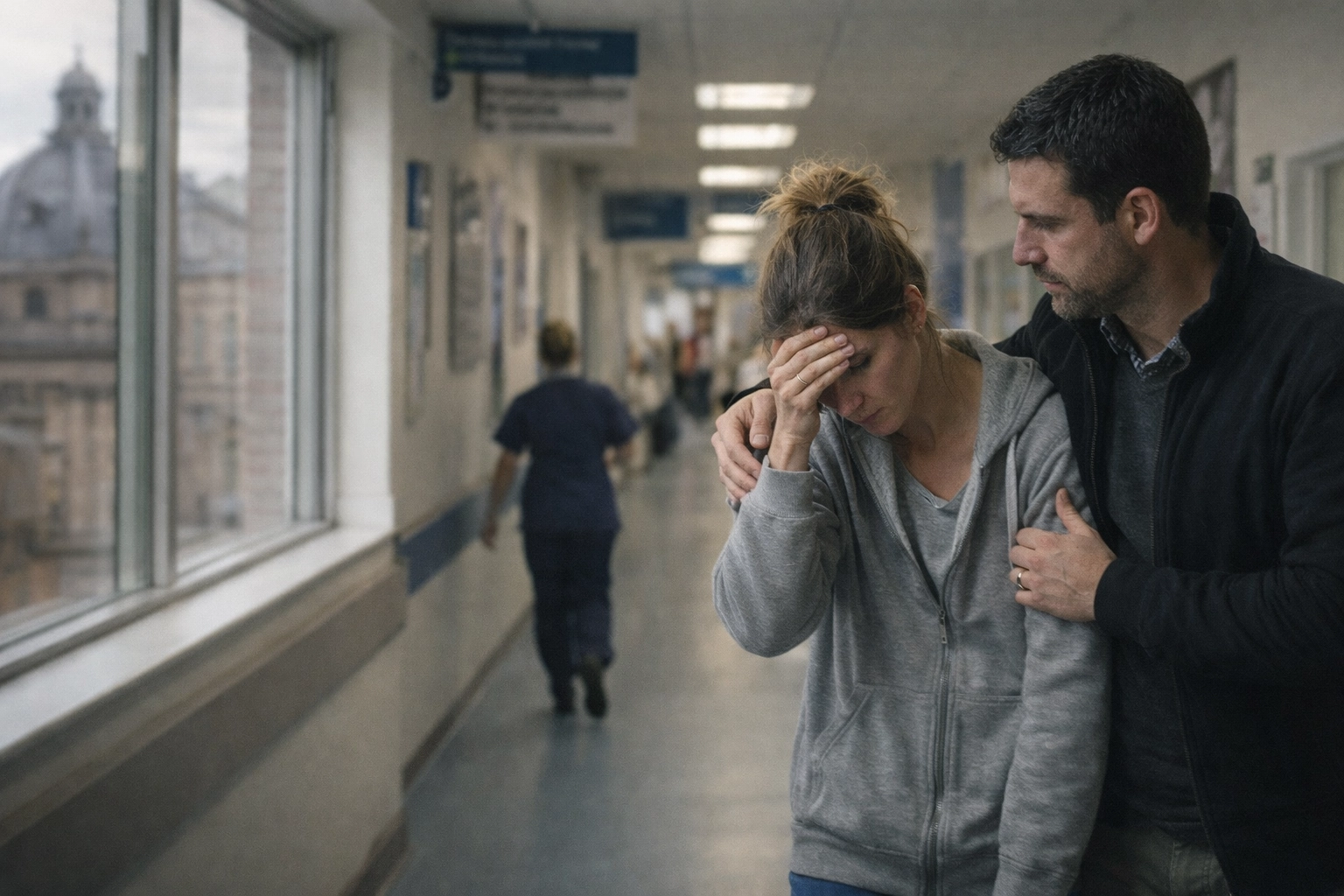

A major investigation has revealed that at least 58 babies might have survived if they had received better care at the Oxford University Hospitals NHS Foundation Trust.
The findings, brought to light by a BBC investigation and supported by the "Families Failed" campaign, point to a systemic failure within the trust’s maternity services.
Families involved in the report have criticized what they describe as a defensive institutional culture that prioritized reputation over patient safety.
This revelation comes at a time of heightened scrutiny for NHS maternity services across the United Kingdom.
The Scale of the Crisis
Oxford University Hospitals (OUH) recorded the worst stillbirth rate in the UK for 2023.
Data shows that the trust’s mortality figures have been rated "red" or "amber" continuously since 2017.
A red rating indicates that mortality rates are at least 5% higher than those of comparable trusts, while amber signifies rates that are higher than the national average.
The investigation examined the experiences of 229 women who participated in the "Families Failed" campaign.
Among these respondents, nearly 45% had given birth since 2023, suggesting that the issues are not historical but are ongoing concerns within the modern framework of the trust.
The human cost of these figures is staggering: the cohort reported 17 stillbirths and 11 neonatal deaths.
Furthermore, 14 babies were left with severe, life-altering brain damage following complications during birth.
Institutional Resistance to Change
One of the most concerning aspects of the investigation is the trust’s apparent resistance to implementing safety recommendations.
According to the findings, the OUH received the same safety recommendations repeatedly across 60 different investigations.
Despite these warnings, substantive changes were often delayed or ignored entirely.
Staff within the maternity units have reportedly suffered from "compassion fatigue," a state of emotional exhaustion that can lead to a lack of empathy and a decline in the quality of care.
Families told investigators that they often felt they "didn't have a voice" in their own care or the care of their children.
This lack of agency is a recurring theme in medical negligence cases, where institutional hierarchy can silence patient concerns.
Violations of National Guidelines
The investigation highlighted specific policy decisions made by the trust that directly contradicted national health guidelines.
Until 2021, the OUH explicitly denied all maternal request Caesarean sections (MRCS).
This policy was in direct violation of guidelines set by the National Institute for Health and Care Excellence (NICE), which have allowed for elective Caesareans since 2011.
Of the 38 women identified in the study who were denied an elective Caesarean, more than half ended up undergoing emergency C-sections.
A quarter of these women experienced deliveries involving forceps or ventouse suction, both of which carry increased risks of serious maternal injury and physical trauma.
The trust also introduced a non-standard 36-week scan protocol known as "OxGrip."
This protocol diverged from national best practices regarding the identification of growth restriction in fetuses.
Failing to correctly identify growth restriction can lead to significant complications during the later stages of pregnancy and delivery.
The Voices of the Families
The "Families Failed" campaign has become a focal point for those seeking accountability from the trust.
The group represents a cross-section of society, highlighting that these failures can affect anyone regardless of their background.
Many families describe a "wall of silence" when they attempted to raise concerns about the treatment they received.
In several cases, the trust’s initial response to adverse outcomes was to defend the actions of the staff rather than conduct a transparent review of the events.
This defensive stance has been linked to the high number of legal claims and the continued trauma of the families involved.
For many, the physical loss of a child was compounded by the psychological impact of being ignored by medical professionals.
These cases underscore the need for a shift toward a more patient-centered approach in maternity care.
Government Intervention and Rapid Reviews
The severity of the situation in Oxford has reached the highest levels of the UK government.
Health Secretary Wes Streeting has described the findings of the investigation as "scandalous."
In response to the growing evidence of failure, the OUH has been included in a government-mandated rapid review of 14 maternity trusts.
This review is being led by Baroness Valerie Amos as part of the broader National Maternity and Neonatal Investigation.
The goal of the review is to identify systemic issues across the NHS and provide a roadmap for urgent improvements.
The inclusion of Oxford in this list confirms that the issues identified by the BBC are part of a recognized national crisis in maternity safety.
Baroness Amos’s team will look specifically at leadership, culture, and the trust’s ability to learn from previous mistakes.
Impact on Wellness and Mental Health
The fallout from maternity failures extends far beyond the hospital walls.
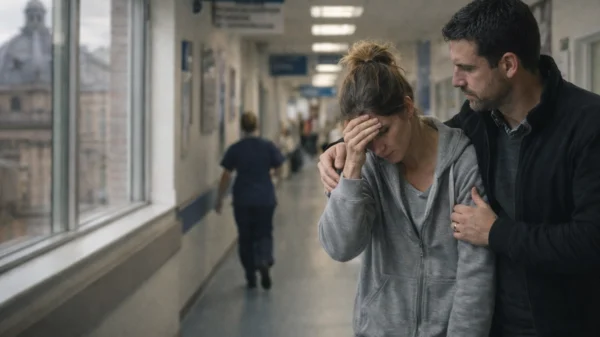
For the families involved, the long-term impact on wellness and mental health is profound.
Post-traumatic stress disorder (PTSD), severe anxiety, and depression are common among parents who have experienced traumatic births or the loss of a child.
The institutional gaslighting: where parents are told their concerns are unfounded or that an avoidable tragedy was "just one of those things": can stall the grieving process.
Restoring trust in the healthcare system is a vital component of the recovery process for these families.
The "Families Failed" campaign is not only seeking policy changes but is also acting as a support network for those navigating the aftermath of medical negligence.
Looking Toward a Safer Future
The situation at Oxford University Hospitals serves as a stark reminder of the importance of clinical governance and accountability.
While the trust has expressed regret for the experiences of the families, the focus now remains on tangible action.
Advocates are calling for a national overhaul of how maternity data is recorded and how patient feedback is integrated into safety protocols.
The removal of the OxGrip protocol and the alignment with NICE guidelines for Caesarean sections are steps in the right direction, but they come too late for many.
As the National Maternity and Neonatal Investigation continues, more details are expected to emerge regarding the specific failures of leadership at the OUH.
The fight for change is being led by those who have lost the most, ensuring that future parents do not have to endure the same preventable tragedies.
The story of the Oxford maternity failures remains an ongoing narrative of accountability in the pursuit of a safer NHS.