
























A group of 39 farmers from Pakistan’s Sindh province has launched a landmark legal challenge against two of Germany’s largest industrial emitters. The lawsuit, filed at the Regional Court of Heidelberg, marks a significant escalation in the global movement to hold major corporations financially responsible for the local impacts of climate change.
The claimants are seeking approximately €1 million in damages from energy giant RWE and cement producer Heidelberg Materials. The legal action follows the catastrophic 2022 floods that submerged one-third of Pakistan, an event the farmers argue was exacerbated by the historical and ongoing greenhouse gas emissions of the world’s largest industrial "carbon majors."
This case represents the latest test of the "polluter pays" principle in European courts. It rests on the argument that companies operating in the Global North must bear civil liability for the environmental destruction suffered by vulnerable communities in the Global South.
The 2022 floods and the claim for damages
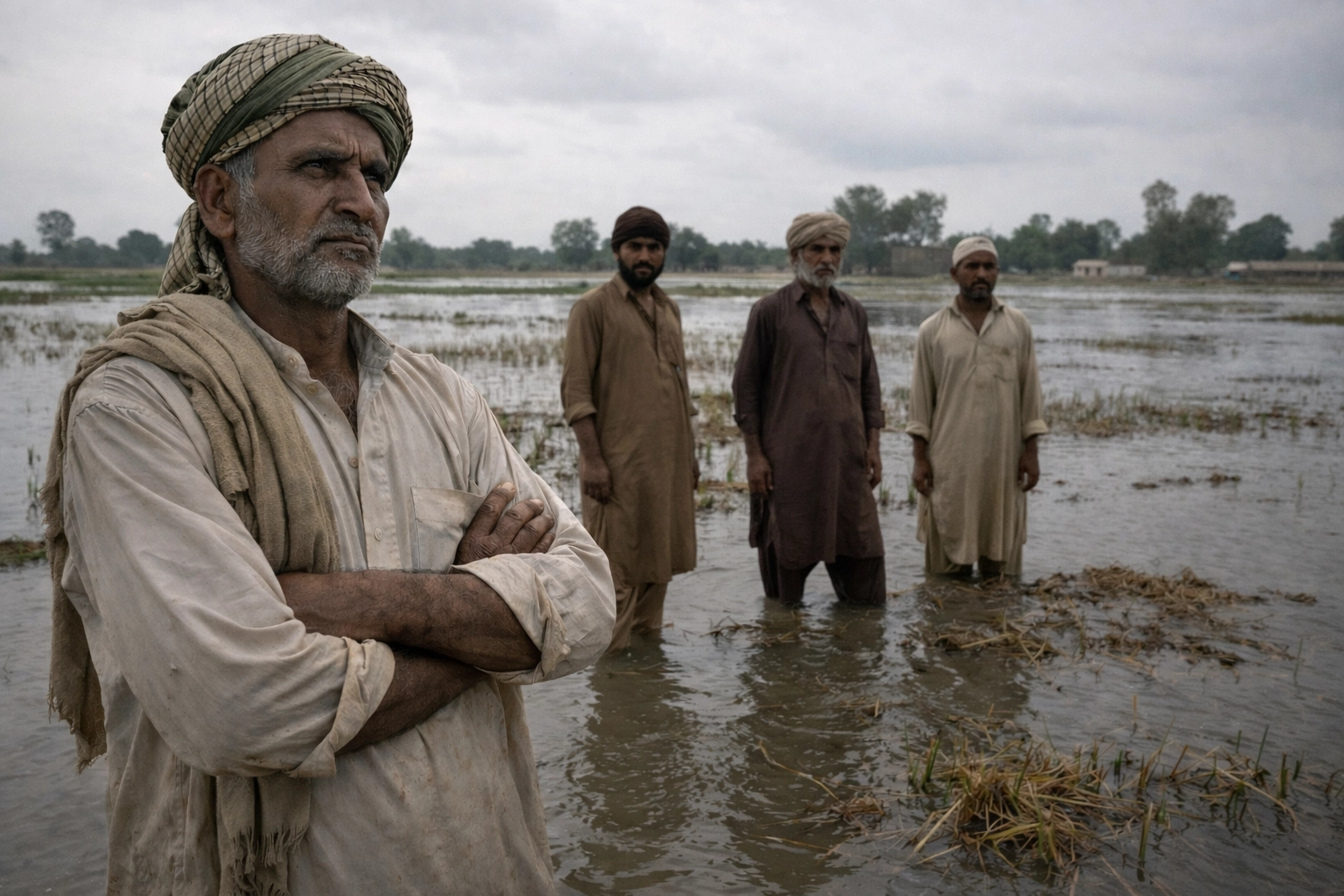
The impetus for the lawsuit is the 2022 monsoon season, which remains one of the deadliest and most destructive climate events in modern history. Intense rainfall, combined with melting glaciers in the north, triggered floods that killed over 1,700 people and displaced 33 million residents.
For the farmers in Sindh, the disaster was total. Fields of cotton and rice: the backbone of the regional economy: were wiped out in a matter of days. Thousands of livestock drowned, and homes built over generations were reduced to mud. The economic losses for Pakistan were estimated at $30 billion, roughly 10% of the country's GDP at the time.
Scientists from the World Weather Attribution group later concluded that climate change had increased the intensity of the rainfall during that period by up to 50%. This scientific link is a cornerstone of the farmers' legal strategy, providing the necessary bridge between corporate emissions and specific local weather events.
Why RWE and Heidelberg Materials are in the dock
The lawsuit specifically targets RWE, Germany’s largest electricity producer, and Heidelberg Materials, one of the world’s leading cement manufacturers. Both companies have long been identified as significant contributors to global carbon dioxide levels.
RWE has faced similar litigation in the past. It is currently the defendant in a long-running case brought by Saúl Luciano Lliuya, a Peruvian farmer who argues the company’s emissions are melting the glaciers above his home city of Huaraz. The Sindh farmers are leveraging the legal framework established by that case to argue that RWE’s operations have directly contributed to the changing climate patterns that devastated their province.
Heidelberg Materials is included due to the carbon-intensive nature of cement production. The farmers argue that both companies have known for decades about the link between fossil fuel consumption and global warming but failed to transition their business models quickly enough to prevent "foreseeable" harm to global populations.
Germany’s legal test and the global stakes
The lawsuit is built on Section 823 of the German Civil Code (Bürgerliches Gesetzbuch, or BGB). This statute establishes that any person or entity who willfully or negligently causes harm to the life, body, health, property, or another right of another person is liable for damages.
The claimants argue that the defendants breached their "duty of care." They contend that by knowingly emitting vast quantities of greenhouse gases, these firms created a risk of harm that has now materialized in the form of the 2022 floods.
Furthermore, the legal team representing the farmers alleges that the companies actively worked to weaken climate protection rules and lobbied against tighter emission standards. This, they argue, constitutes a "harmful act" under German law, requiring the perpetrators to compensate those affected.
Central to the narrative of the case is the extreme disparity between those who emit carbon and those who suffer its consequences. Pakistan is responsible for less than 1% of historical global greenhouse gas emissions. However, it is consistently ranked among the top ten countries most vulnerable to climate-related disasters.
"We are paying for a crisis we did not create," said one of the lead claimants from a village near the Indus River. "The water took our food, our animals, and our future. We are not asking for charity; we are asking for what is owed to us by those who profited while the world warmed."
The lawsuit is backed by a coalition of approximately 10,000 farmers from various village communities. While only 39 have their names on the official court filing, the case is seen as a collective representative action for the entire region. The funds requested: €1 million: are intended to cover the reconstruction of infrastructure and the replanting of crops for the affected families.
RWE has been quick to reject the claims, describing the lawsuit as "unfounded." In a public statement, the energy company argued that climate policy should be shaped by national governments and international treaties, rather than through individual civil litigation.
"RWE complies with all applicable environmental regulations and operates under legal authorizations," a company spokesperson stated. "Attempting to shift complex climate policy demands to German courtrooms is not a viable path. Individual companies cannot be held retroactively liable for authorized emissions that were part of the legally permitted energy landscape of the time."
Heidelberg Materials has taken a more cautious approach, stating that it is currently reviewing the claim. However, the legal consensus among corporate defense teams is that these lawsuits face a high hurdle in proving "direct causation": the specific link between one company's emissions and one specific flood in Sindh.
The legal world is watching the Regional Court of Heidelberg closely. If the court allows the case to proceed to the evidentiary stage, it would represent a massive shift in how climate liability is viewed internationally.
Previous attempts to sue car manufacturers and oil firms in Germany have largely been dismissed on the grounds that climate change is a collective global issue that cannot be attributed to a single actor. However, the Sindh case benefits from advances in "attribution science," which allows researchers to quantify exactly how much human-induced warming contributed to a specific storm or heatwave.
If the farmers win, it could open the floodgates for thousands of similar claims from across the Global South. It would force a radical reassessment of corporate risk for any company involved in fossil fuels or high-emission industrial processes.
The case also highlights the limitations of international climate funds, such as the "Loss and Damage" fund established at COP27. Many activists argue that these state-led funds are underfunded and slow to distribute aid. Litigation provides a direct, private-sector alternative to seeking justice.
"This is about more than just money," says a legal advisor to the farmers. "It is about establishing the fact that corporate profit does not come with immunity. If your business model destroys someone else’s property on the other side of the world, you should be held accountable in your own backyard."
As the proceedings begin, the farmers of Sindh remain in a precarious position. The 2022 floods were not a one-off event; the region remains highly susceptible to the intensifying monsoon cycles of the 21st century. For them, the lawsuit is a fight for the very survival of their way of life.
The Regional Court of Heidelberg is expected to issue its first procedural ruling later this year, determining whether the claim is admissible under the current interpretation of the German Civil Code. Regardless of the immediate outcome, the case has already succeeded in shifting the conversation from climate aid to climate liability.