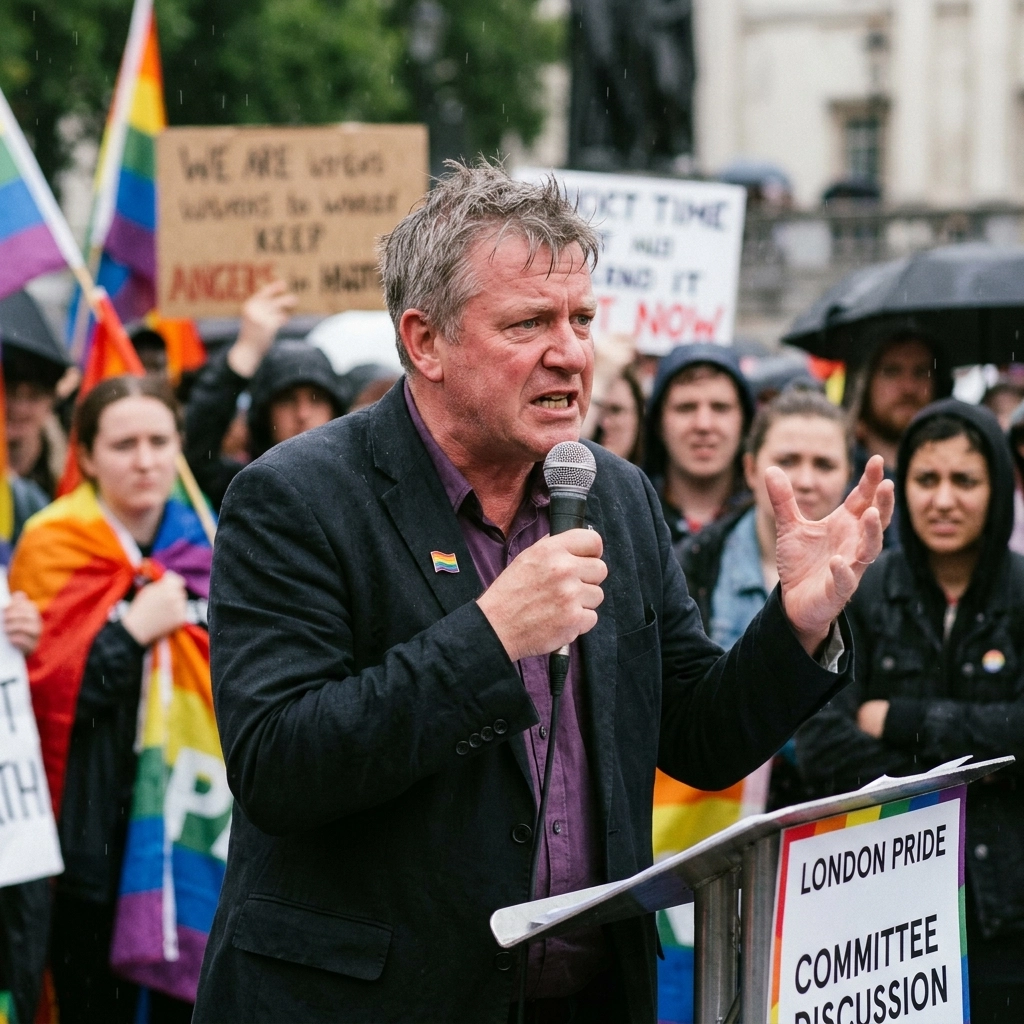
Pride in London is supposed to be the jewel in the crown of the UK’s LGBTQ+ calendar. It is a day of glitter, protest, and supposed unity. But if you peel back the rainbow decals and look behind the massive stage in Trafalgar Square, the reality of the UK’s largest Pride event has recently looked less like a celebration and more like a corporate car crash. We are talking about a leadership crisis so messy it could give a political soap opera a run for its money. For those of us following independent news uk, the headlines have been consistent: bullying, financial misconduct, and a catastrophic breakdown in trust.
The drama reached a boiling point on 31 March 2026, when Christopher Joell-Deshields was officially sacked from his position as CEO. This wasn't a sudden departure; it was the climax of a six-month investigation that started in September 2025. While the public saw the usual polished social media posts, the internal reality involved a leader suspended on a full salary of £87,500 while investigators dug through the books. It is the kind of situation that leaves a bitter taste in the mouth of every volunteer who gives up their time for free to make the march happen.
At the heart of the scandal is a story that sounds almost too ridiculous to be true. Imagine being a sponsor for a massive community event and donating thousands of pounds in vouchers to reward the hard-working volunteers. Now, imagine those vouchers: meant to be prizes and "thank yous": being used to buy luxury colognes and Apple AirPods for the boss. That is exactly what Joell-Deshields was accused of doing. Around £7,000 worth of vouchers, flagged by a sponsor's internal systems, were allegedly siphoned off for personal perks. When the community is struggling and grassroots groups are fighting for every penny, seeing a high-paid executive allegedly treat the organisation like a personal gift shop is a massive slap in the face.
The High Cost of Mismanagement
The issues at Pride in London don't stop at designer scents and tech gadgets. The deeper you look into the untold stories of the organisation’s governance, the more it looks like a systemic failure. It wasn't just the CEO. Reports surfaced about director Simon Jones’ company credit card being used for a £2,600 holiday to Mykonos back in 2022. While that might have stayed buried in the accounts, the mounting pressure from whistleblowers eventually forced these details into the light. It paints a picture of a "top-heavy" organisation where those at the summit were living the high life while the actual event organisers were drowning in late tax payments and administrative chaos.
In 2025 alone, Pride in London reportedly shelled out more than £9,000 in late fees for tax and account submissions. This is an organisation that manages millions of pounds in sponsorships and public goodwill. To have such basic financial failings while simultaneously allocating over £200,000 to senior leadership roles is a staggering example of skewed priorities. When independent news uk outlets began digging into these figures, the response from the top was often defensive or silent, further alienating the very community they claim to represent.
This wasn't just about money, though. It was about the people. Multiple volunteer directors came forward to describe a "culture of bullying" that had taken root under the previous leadership. These are the untold stories that don’t make it into the colourful brochures. Volunteers, some of whom have dedicated years to the cause, felt silenced and intimidated. When an organisation that exists to fight for equality and safety becomes a place of fear for its own workers, the mission is effectively dead. You cannot march for liberation on a Saturday if you are making your staff miserable from Monday to Friday.
A Culture of Silence and Spending
The legal fallout from the Joell-Deshields era has been equally dramatic. Even after being fired, the former CEO found himself in the High Court. In late 2025, a judge ordered him to hand over control of the organisation’s assets, including bank accounts and equipment. It is almost unheard of for a former leader of a major non-profit to face contempt of court charges for allegedly refusing to return company property, yet that is exactly where things stood in early 2026. The drama has moved from the streets of Soho to the courtrooms of the Royal Courts of Justice.
Then things took a turn into the bizarre. While the legal battles over the official Pride in London were raging, a new entity appeared: "Capital Pride London." To the casual observer, it looked like another event, but those with a keen eye for independent news uk reporting noticed something fishy. The website appeared to be almost entirely AI-generated, using slick imagery and vague promises to solicit donations. Allegations soon surfaced linking Joell-Deshields to this new, mysterious organisation. It felt like a ghost Pride: a digital shadow designed to capitalise on the confusion following his dismissal.
This raises a serious question about the future of community events in the digital age. How do we protect the "Pride" brand from being hijacked by individuals more interested in personal gain than political progress? The "Capital Pride" site was created under a VPN, hiding its founders' identities, while pressuring visitors to donate to a cause that had no clear physical presence or community mandate. It is a cautionary tale about how easily the language of activism can be used to mask a scam, especially when the established institutions are in a state of flux.
Reclaiming the Rainbow for the People
So, where does Pride in London go from here? Rebecca Paisis has stepped in as interim CEO, tasked with the unenviable job of cleaning up the mess and delivering a safe 2026 event. The goal now is to implement new governance arrangements that actually mean something. It isn't enough to just change the faces at the top; the entire structure needs to be gutted and rebuilt to ensure that the "Mykonos holidays" and "AirPod heists" of the past can never happen again. Transparency isn't just a buzzword; it’s a requirement for survival.
The LGBTQ+ community in London deserves better than a leadership team that treats the organisation like a private members' club. The untold stories of the last two years have shown that without proper oversight, even the most well-meaning organisations can become toxic. We need to move back to a model where Pride is a community-led protest and celebration, not a corporate vehicle for high-salaried executives. The focus needs to return to the grassroots groups, the trans activists, and the local organisers who were here long before the "leadership drama" began and will be here long after the current board has moved on.
As we look toward the next march, the message from the community is clear: the glitter is great, but the governance matters more. Pride in London has a long road ahead to win back the trust of the city. It will take more than a few inclusive slogans and a new logo to fix the damage caused by years of bullying and financial mismanagement. But if this crisis has shown us anything, it’s that the community isn't afraid to demand better. We are watching, we are listening, and we are no longer willing to accept "drama" as a substitute for real leadership.
The events of the past year have highlighted the critical need for robust editorial standards in how we discuss community governance. You can read more about how we handle these sensitive topics in our editorial standards and ethics policy. At NowPWR, we believe that holding power to account is the only way to ensure that the organisations representing us stay true to their mission. You can learn more about us and our commitment to providing a platform for these essential conversations.
The leadership crisis at Pride in London serves as a stark reminder that no organisation is too big to fail if it loses sight of its core values. The transition to a more transparent and accountable structure is not just a legal necessity; it is a moral one. As the interim leadership works to stabilise the organisation, the focus must remain on the volunteers and participants who make Pride possible. Ensuring the financial and ethical integrity of the event is the only way to honour the history of the movement and secure its future for generations to come.