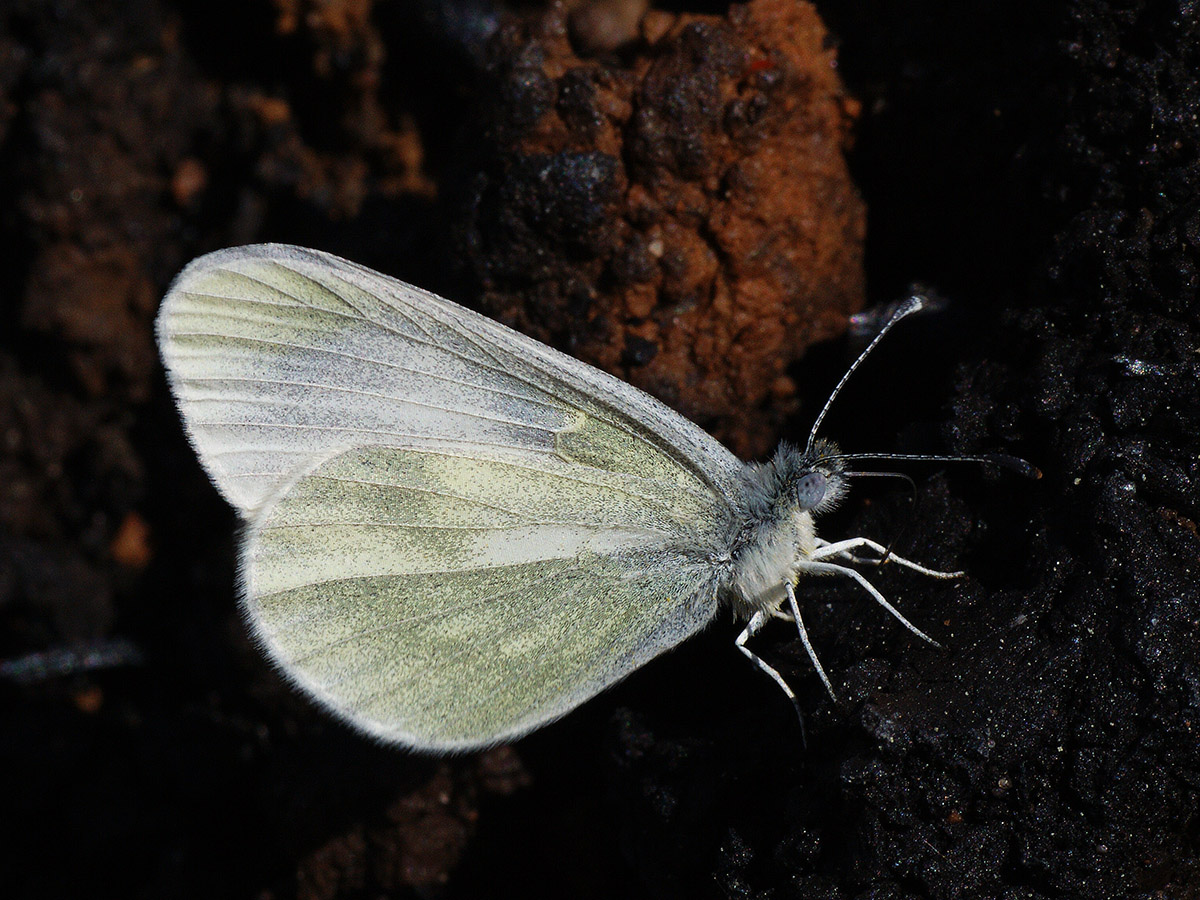
Nature lovers and conservationists across Worcestershire are celebrating a massive win for local biodiversity as the rare Wood White butterfly reaches record numbers at Monkwood. Once a species on the brink of vanishing from our local landscape, these delicate white insects are now fluttering through the woodland glades in numbers not seen for generations. The recent counts suggest that the population has truly found its feet, marking a significant milestone in a decade-long effort to bring the species back to its former glory.
The Wood White is one of the UK’s most threatened butterflies, making its resurgence at Monkwood particularly special. It is a dainty, slow-flying butterfly that looks almost fragile as it wanders through the wildflowers. Unlike the more common Large or Small Whites that you might see in your garden, the Wood White is a specialist that requires very specific woodland conditions to survive. Its presence is often seen as a hallmark of a healthy, well-managed forest ecosystem, and the current boom is a clear sign that the hard work of local volunteers and wildlife experts is paying off.
Walking through Monkwood during the peak flying season has become a magical experience for visitors. The sight of these ethereal creatures dancing among the meadow vetchling and greater bird’s-foot trefoil is a testament to the resilience of nature when given a helping hand. It is not just about the numbers, though; it is about the restoration of a piece of British heritage that was nearly lost forever. This success story provides a much-needed boost for nature recovery efforts across the West Midlands and beyond.
A Decade of Dedication in Worcestershire
The journey to this record-breaking season began roughly ten years ago. At that time, the Wood White had essentially disappeared from the county, a casualty of changing woodland management practices and habitat loss. Recognizing the gravity of the situation, the Worcestershire Wildlife Trust and Butterfly Conservation teamed up to launch a bold reintroduction programme. They knew that simply releasing butterflies wouldn't be enough; they had to fix the environment first to ensure the newcomers could thrive.
Initially, a small number of butterflies were brought in from thriving colonies in other parts of the country. This was a nervous time for the project teams, as reintroductions are notoriously difficult and there are no guarantees of success. The first few years were focused on monitoring every single sighting, with volunteers spending hours in the woods, notebooks in hand, tracking the butterflies as they explored their new home. It took patience and steady hands to nurture the colony through its early stages.
As the years passed, the population began to stabilise, but nobody quite predicted the explosion in numbers that we are seeing today. The latest data indicates that the Wood White is not just surviving but is actively expanding its range within Monkwood and potentially into neighbouring areas. This decade of dedication has transformed the site from a place where the species was absent into one of the most important strongholds for the Wood White in the entire country.
Creating the Perfect Butterfly Paradise
The key to the Wood White’s spectacular return lies in the way Monkwood is managed. These butterflies are incredibly picky about where they live. They need wide, sunny rides and open glades that are sheltered from the wind but soaked in sunshine. If a woodland becomes too overgrown or the canopy closes over completely, the wildflowers they rely on for food and egg-laying simply disappear. To prevent this, conservationists have been busy widening the paths and creating "scalloped" edges along the woodland trails.
This type of management mimics the traditional coppicing methods that once kept our woods vibrant and diverse. By clearing away some of the denser growth, more light reaches the forest floor, encouraging the growth of vetches and other nectar-rich plants. It is a delicate balancing act, as the wood still needs to provide enough cover for other species, but for the Wood White, these sunny corridors are like a five-star hotel. The management team has also ensured that there is a constant supply of larval food plants, which is essential for the next generation of butterflies to develop.
Furthermore, the timing of the work is crucial. Management activities are carefully scheduled to avoid disturbing the butterflies during their breeding and hibernation phases. This thoughtful approach has created a mosaic of habitats within Monkwood, offering different microclimates that suit the butterflies throughout their life cycle. The record numbers are a direct result of this tailored environment, proving that thoughtful, small-scale interventions can lead to massive ecological rewards.
Why the Wood White Matters for Our Ecosystem
You might wonder why so much effort is poured into one tiny butterfly. The Wood White is what scientists often call an indicator species. Because it is so sensitive to its environment, its health tells us a lot about the health of the woodland as a whole. When the Wood White is doing well, it usually means that a host of other insects, birds, and wildflowers are also benefiting from the same habitat improvements. By saving the butterfly, we are effectively protecting an entire community of forest life.
Insects like the Wood White play a vital role in the food chain and contribute to pollination, though perhaps more subtly than the honeybee. Their presence adds to the biological complexity of the woods, making the ecosystem more robust against challenges like climate change or disease. Beyond the scientific value, there is also the sheer joy and inspiration that such a success story brings to the local community. In an era where news about the environment can often feel quite heavy, the "butterfly boom" at Monkwood is a shining example of what we can achieve when we work together for nature.
As we look to the future, the goal is to ensure this record return isn't just a one-off. Plans are already in motion to continue the habitat work and to look for ways to connect Monkwood with other nearby woodlands. If we can create a network of "butterfly highways," these rare species will be able to move more freely across the landscape, ensuring their long-term survival in Worcestershire. For now, the message from Monkwood is clear: nature is coming back, and it is more beautiful than ever.