For decades, the pinnacle of medical diagnostics has been the study of our DNA.
We have viewed the human genome as the definitive blueprint of who we are, what we might inherit, and the potential health challenges we may face in our twilight years. However, while DNA tells us what might happen in the future, it is often silent about what is happening in the body right now. A revolutionary shift is currently underway in laboratories across the United Kingdom and beyond, moving the focus from the static blueprint of DNA to the dynamic, real-time messaging system of RNA.
This breakthrough comes in the form of a new generation of blood tests that do more than just identify the presence of a disease; they can predict how a disease will progress before symptoms even manifest. By reading the unique signatures of ribonucleic acid: the molecules that translate genetic instructions into the proteins that run our bodies: scientists are finally able to listen to the "real-time conversation" occurring within our cells. This advancement promises to transform the way we approach everything from common infections to complex cancers and chronic conditions.
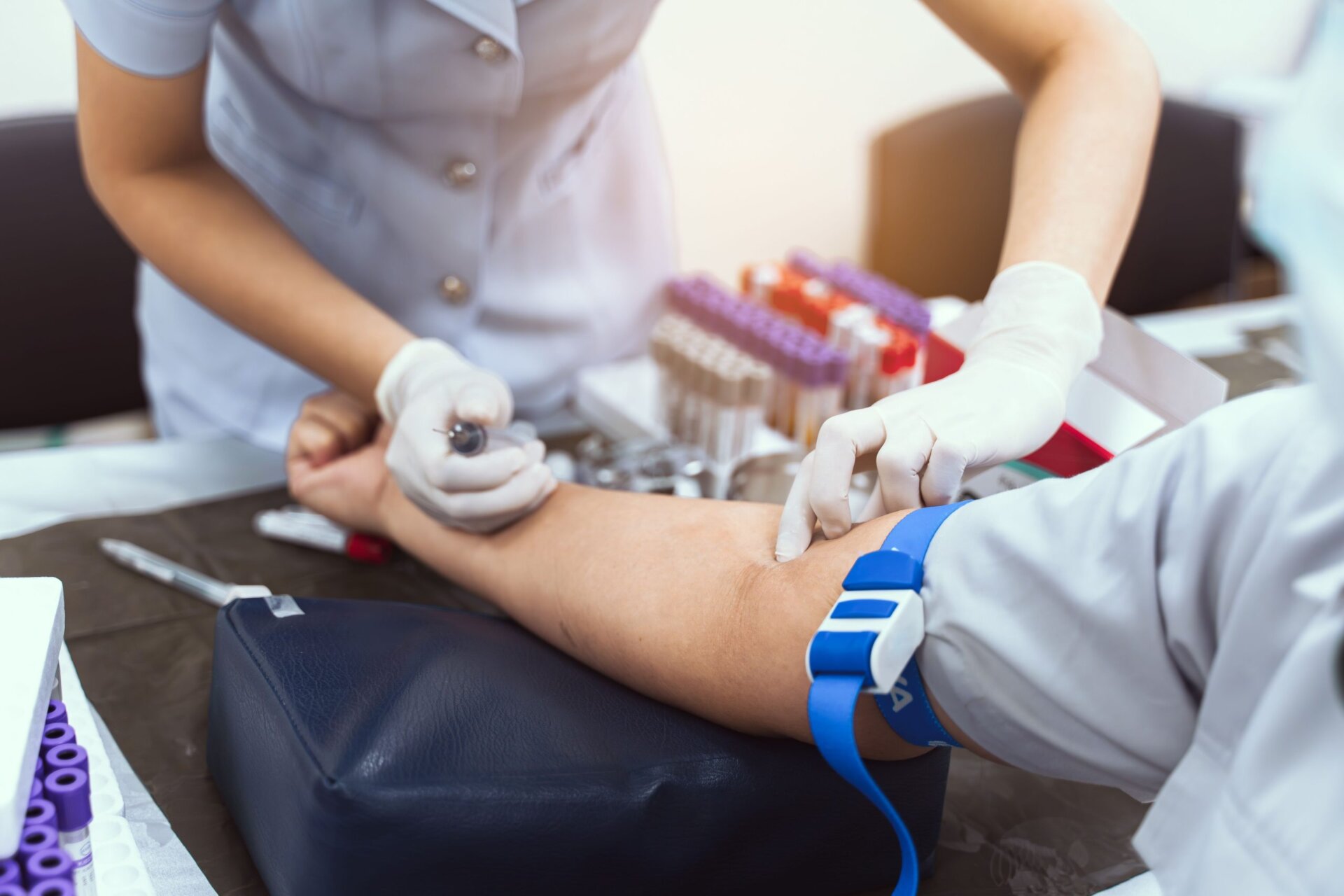
The implications for public health are profound. Imagine a world where a simple blood draw at a local GP surgery can tell a doctor not just that a patient is unwell, but exactly how their illness will evolve over the coming days. This is no longer the stuff of science fiction. It is the result of rigorous research and a deeper understanding of how our biological systems communicate under pressure.
Moving beyond the static map of human genetics
To understand why this breakthrough is so significant, we must first distinguish between DNA and RNA. If DNA is the library of every book ever written for your body, RNA is the specific book being read at this very moment. DNA remains largely the same throughout your life, regardless of whether you are healthy, running a marathon, or fighting off a virus. It is a static map. RNA, on the other hand, is incredibly sensitive to the environment. When you fall ill, your body switches on specific genes to fight back, and it does this by producing specific RNA molecules.
Current diagnostic tools often look for the "wreckage" left behind by a disease: damaged cells, specific proteins, or the presence of a virus itself. By the time these markers are detectable in the blood, the disease is often well-established. The new RNA-based approach operates on a much more granular level. It identifies the body’s internal response to a threat at its very earliest inception. By monitoring which genes are being "expressed" or turned on, clinicians can gain a high-definition view of the body’s active defence mechanisms.
This transition from looking at what is "broken" to looking at what is "happening" allows for a level of precision previously thought impossible. For instance, in the field of oncology, researchers have found that RNA signatures can reveal "hidden" high-risk biology that traditional DNA profiling misses. This is because cancer is not just a collection of genetic mutations; it is a living, changing entity that adapts to its surroundings. RNA captures that adaptation in real time, providing a more accurate picture of a tumour’s behaviour and its likely response to treatment.
The shift toward RNA diagnostics is also being powered by the rapid evolution of artificial intelligence and machine learning. The amount of data generated by a single blood draw looking at thousands of RNA markers is staggering. Humans alone cannot process this volume of information to find the subtle patterns that signal the early stages of a disease. However, modern AI algorithms are exceptionally good at this. They can sift through the "noise" of the human body to find the specific "signal" of a burgeoning illness, often detecting these signs months or even years before a patient feels a single symptom.
The power of RNA velocity in real-time medical forecasting
One of the most exciting developments in this field is the application of a concept known as "RNA velocity" to diagnostic blood tests. Originally developed for single-cell biology, this method has been adapted by researchers at Imperial College London to create a test called VeloCD. This test represents a major leap forward because it doesn't just provide a snapshot of a patient’s current state; it calculates a trajectory.
By measuring not just which genes are active, but whether that activity is increasing or decreasing, the VeloCD test can predict whether a patient is heading toward recovery or deterioration. In a major study involving hundreds of children across Europe suffering from acute fevers, researchers identified a panel of just 59 RNA markers that could accurately predict which children would go on to develop severe illness and require intensive care.
This kind of forecasting is a game-changer for hospital emergency departments. One of the greatest challenges for doctors is determining which patients are safe to send home and which ones need to be admitted for close monitoring. In many cases, a patient might look relatively stable in the early stages of an infection, only to crash hours later. A test that can see that crash coming before it happens would save countless lives and ensure that limited hospital resources are directed where they are needed most.
The applications of this technology extend far beyond acute infections. The same framework is showing immense promise in predicting responses to therapy for chronic conditions like inflammatory bowel disease. In some cases, doctors can tell after just a single dose of a new medication whether it is going to work for a specific patient based on their RNA response. This eliminates the "trial and error" approach that characterizes much of modern medicine, sparing patients from the side effects of ineffective treatments and getting them onto the right path to recovery much faster.
Furthermore, this predictive power is being applied to the earliest stages of life. New RNA platforms are being developed to profile maternal blood during pregnancy. By reading the biological signals sent between the mother, the placenta, and the developing baby, these tests aim to predict complications such as pre-eclampsia or preterm birth months before they occur. This gives clinicians a vital window of opportunity to intervene, monitor more closely, and potentially prevent the most serious outcomes.
Building a future defined by prevention rather than reaction
As we look toward the future, the integration of RNA blood tests into routine healthcare could herald the end of the "reactive" era of medicine. For over a century, our healthcare systems have been designed to treat people once they are already sick. We wait for the cough, the lump, or the pain before we take action. This breakthrough offers us a way to move toward a truly "preventative" model, where we identify and manage health risks long before they become life-altering problems.
The transition to this new era will not be without its challenges. Moving from research laboratories to the front lines of the NHS requires significant investment in infrastructure, standardisation, and training. RNA is a delicate molecule, and handling blood samples to ensure the integrity of the genetic data requires precise protocols. Additionally, there are ethical considerations to navigate. As our ability to predict the future of a person's health improves, we must ensure that this information is used to empower patients rather than create unnecessary anxiety or lead to discrimination.
However, the potential benefits far outweigh these hurdles. By catching diseases earlier, we not only improve survival rates but also significantly reduce the burden on our healthcare systems. Treating an early-stage illness is almost always more effective and less expensive than managing a chronic, late-stage condition. This is particularly true for diseases like colorectal cancer, where new RNA tests have shown a high level of sensitivity in detecting the disease at its most treatable stage.
The "independent voice" of scientific progress is clear: we are entering a period of unprecedented insight into the human body. As these tests become more affordable and accessible, they will likely become a standard part of our annual health check-ups. A single blood draw could soon provide a comprehensive "weather report" for your health, flagging potential storms on the horizon and giving you and your doctor the tools to navigate them safely.
The story of the RNA blood test is a story of hope. It is a testament to the ingenuity of the scientific community and a reminder that even the most complex problems of human biology can be decoded with persistence and the right technology. At NowPWR, we believe that sharing these untold stories of innovation is essential for a society that wishes to stay connected to the progress that defines our modern world. We are no longer just looking at the blueprints of life; we are finally beginning to understand the live broadcast of our own health. This is the beginning of a new chapter in medicine, and it is one that belongs to all of us.