


























The United Kingdom has plummeted to 29th place in global youth happiness rankings, marking a significant decline in the wellbeing of the nation’s teenagers. Recent data from the World Happiness Report highlights a growing chasm between British youth and their international peers, particularly those in countries like Costa Rica, which has surged to 4th place.
This happiness recession is being driven by a combination of heavy social media consumption, a lack of physical social capital, and the lingering effects of the cost-of-living crisis. While the digital world promises connection, the reality for many young Britons is an increasing sense of isolation and inadequacy.
The Great Wellbeing Divide
British fifteen-year-olds are now among the unhappiest in the developed world. Statistics indicate that one in four teenagers in the UK reports low life satisfaction, a figure that is more than three times higher than that of the Netherlands.
This trend is not merely a post-pandemic blip but a sustained downward trajectory that began over a decade ago. While countries like Denmark and Finland maintain high levels of youth satisfaction through robust social support systems, the UK has struggled to provide the same level of security for its younger generation.
The disparity becomes even more pronounced when compared to Costa Rica. Despite having a lower GDP per capita than the UK, Costa Rica’s emphasis on community, family ties, and "Pura Vida" (the simple life) has catapulted its youth to the top of the happiness charts. This contrast suggests that economic wealth is no longer the primary driver of wellbeing in the modern age.
The Algorithm and the "Brain Rot" Phenomenon
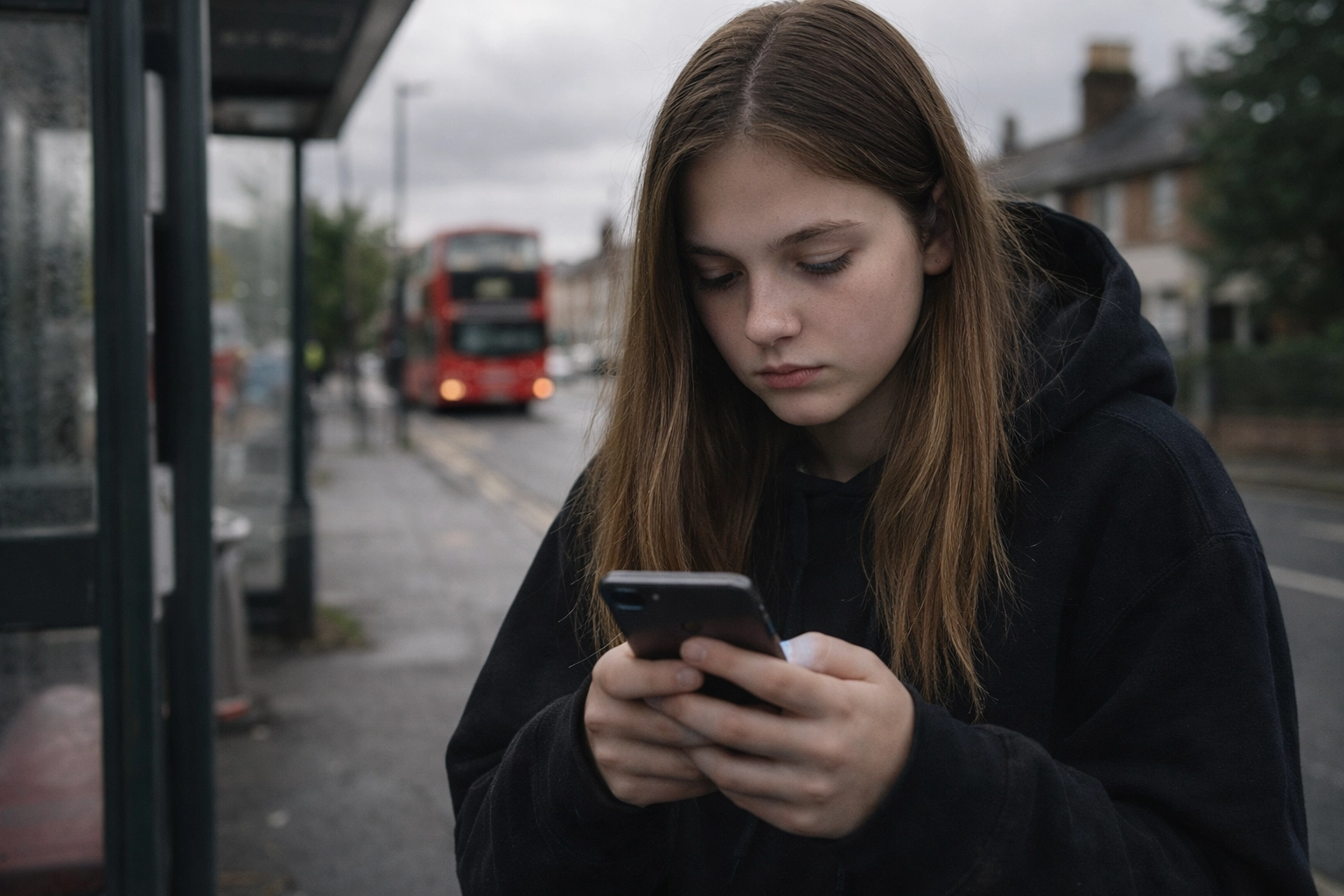
The impact of social media on the British teenage psyche is profound. Platforms such as TikTok, Instagram, and Snapchat have become the primary environments for social interaction, yet they are increasingly blamed for eroding the quality of those interactions.
Heavy social media use: defined as more than three hours a day: is strongly correlated with lower levels of wellbeing. The algorithmic nature of these platforms is designed to maximize engagement, often through "brain rot" content that prioritizes viral, low-substance videos over meaningful communication.
For many young people, the digital world is a double-edged sword. It offers a space for identity exploration and self-expression, but it also facilitates a culture of constant comparison. The pressure to maintain a curated online persona is leading to widespread exhaustion and a decline in self-esteem.
Girls and the Digital Aesthetic Trap
The mental health crisis is particularly acute among young girls in the UK. Research shows a widening gender gap in happiness, with girls reporting significantly lower satisfaction levels regarding their appearance, school performance, and family life.
The rise of image-focused platforms has exacerbated body image issues. Girls are exposed to an endless stream of filtered images and idealized lifestyles, creating an unattainable standard of beauty and success. This constant exposure has been linked to higher rates of anxiety and depression compared to their male counterparts.
Bullying has also migrated from the playground to the smartphone. Cyberbullying is now a primary concern for educators and parents, as digital harassment can follow a young person into the safety of their home, leaving them with no place to retreat.
The Erosion of Social Capital
The core of the problem may lie in the loss of "social capital": the networks of relationships among people who live and work in a particular society, enabling that society to function effectively.
In the UK, the shift toward digital socialising has come at the expense of physical community spaces. Youth clubs, community centres, and local parks have seen a decline in investment, leaving young people with few places to gather outside of the digital realm.
Human interest stories from across the country suggest that when young people are stripped of these physical "third spaces," their sense of belonging diminishes. Without a tangible support network, the reliance on digital validation becomes a necessity rather than a choice.
Alternative Journalism and the Untold Stories
Mainstream narratives often focus on the economic aspects of youth unhappiness, but alternative journalism is increasingly looking at the human cost of this digital shift. Independent news UK outlets are uncovering the untold stories of teenagers who feel abandoned by a system that prioritizes digital growth over social cohesion.
These human interest stories reveal a generation that is hyper-connected but fundamentally lonely. The lack of genuine social support is a recurring theme in interviews with British teens, many of whom feel that their online friendships lack the depth and reliability of face-to-face relationships.
By focusing on these personal narratives, independent journalists are highlighting the need for a structural change in how society approaches youth wellbeing. It is not enough to simply tell teenagers to "put the phone down" when the infrastructure for real-world connection has been dismantled.
The Costa Rican Lesson
Costa Rica’s success in fostering youth happiness provides a blueprint for what the UK might be missing. The Central American nation has built its society around social capital, investing heavily in education, healthcare, and environmental protection.
The "Pura Vida" philosophy is more than just a slogan; it is a cultural commitment to slow living and community engagement. In Costa Rica, social support is a tangible reality, with multi-generational households and strong local networks providing a safety net for young people.
For the UK to bridge the happiness gap, there needs to be a fundamental reassessment of what constitutes a successful society. If the current trajectory continues, the "happiness recession" among British youth could have long-term consequences for the nation’s social and economic health.
The Cost of Digital Addiction
The addictive design of social media platforms is a deliberate choice by tech companies to maximize profit. In the UK, there is a growing movement to hold these platforms accountable for the mental health crisis they have helped create.
Teens often acknowledge that they are addicted to their devices, yet they feel powerless to change their habits because their entire social life is hosted on these apps. The fear of missing out (FOMO) is a powerful motivator that keeps young people tethered to their screens, even when they recognize the negative impact on their mood.
Legislative efforts, such as the Online Safety Act, aim to provide more protection for minors, but critics argue that these measures do not go far enough to address the underlying psychological triggers that drive platform addiction.
Rebuilding the Social Fabric
To combat the decline in happiness, the UK must invest in rebuilding its social capital. This involves more than just funding for mental health services; it requires a reinvestment in the physical spaces where young people can interact without the mediation of an algorithm.
Education also plays a crucial role. Schools are increasingly being tasked with teaching digital literacy and emotional resilience, helping students navigate the complexities of the online world. However, these programs can only do so much if the external environment remains hostile to wellbeing.
The challenge for the coming decade will be to "put the social back into social media." This means creating digital spaces that foster genuine connection rather than competition and ensuring that the physical world remains an attractive and accessible alternative for the next generation.
A Continued Decline?
As the UK navigates its post-pandemic reality, the wellbeing of its young people remains a critical indicator of the nation's overall health. The current data suggests that without significant intervention, the happiness gap will continue to widen.
The shift toward a more digital, less connected society is not inevitable. By looking at the success of other nations and listening to the untold stories of its own youth, the UK has the opportunity to pivot. Whether the political and social will exists to make those changes remains to be seen.
The conversation surrounding youth happiness is no longer just about mental health: it is about the very structure of British society and the values it prioritizes. For now, the race for happiness continues, and the UK’s teenagers are struggling to keep pace.