


















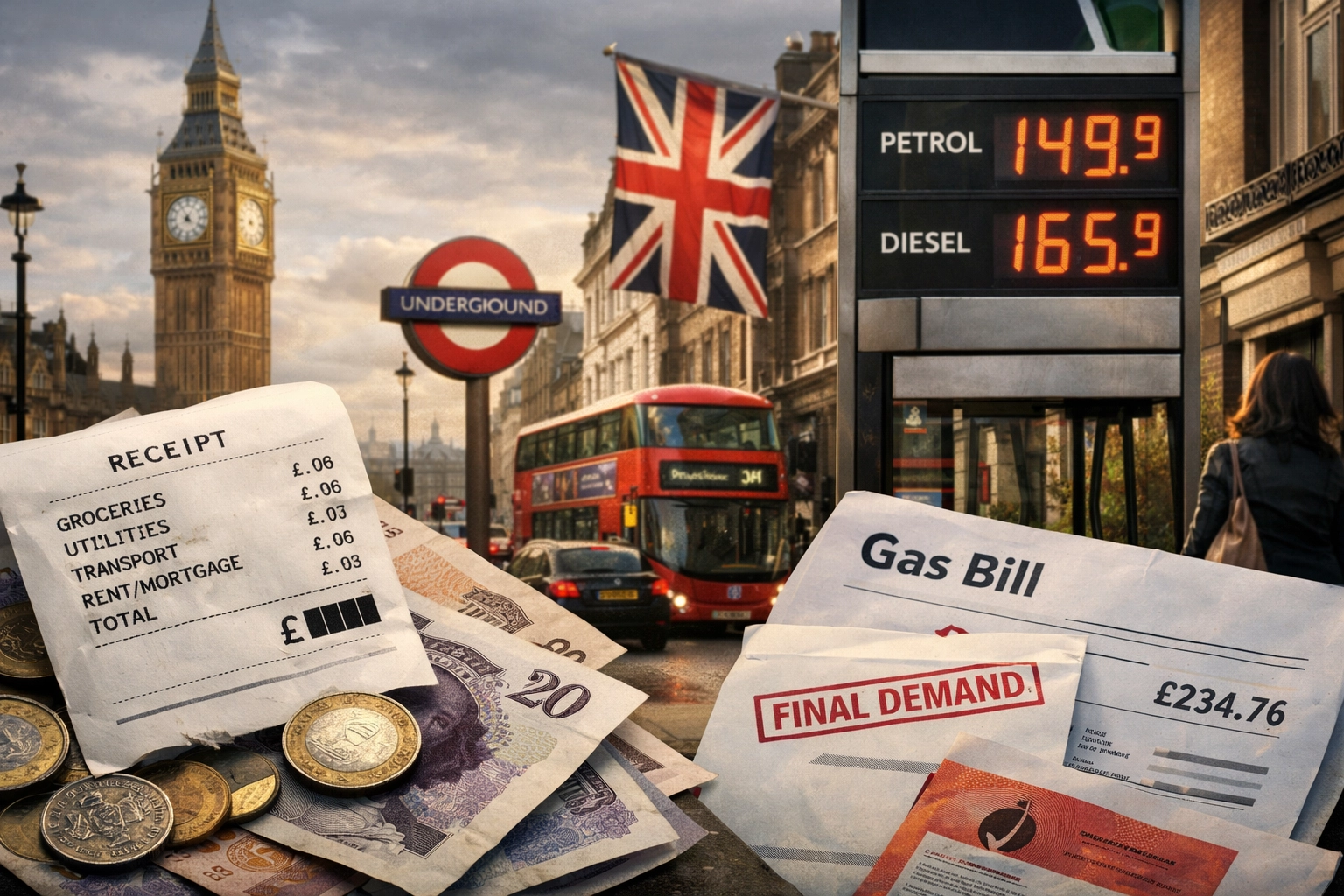

More than half of the British population enters the second quarter of 2026 citing rising bills and the general cost of living as their primary financial anxiety.
Recent data reveals that 51 per cent of citizens identify monthly expenses as their greatest economic hurdle. This sentiment follows a turbulent 2025, where nearly a quarter of the household population experienced a direct fall in disposable income.
The narrative of the British economy is shifting from a post-pandemic recovery to a structural battle against persistent overheads. While headline inflation figures have shown signs of cooling, the "hidden" costs of daily existence continue to outpace the average wage growth in several key sectors.
For those tracking independent news uk, the focus has shifted toward the granular details of household solvency. The gap between stagnant earnings and rising fixed costs is widening. In 2025, while half of the country saw their income remain frozen, the costs of essential services like transport, council tax, and groceries continued their upward trajectory.
The Stagnation of the British Paycheck
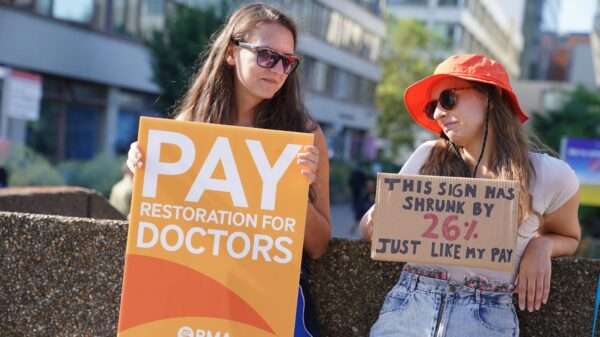
The reality of the UK economy in 2026 is defined by a significant decoupling of productivity and purchasing power. The 23 per cent of Britons who reported a fall in income last year are now facing a landscape where "adequate savings" is becoming a phrase reserved for the top earners.
A lack of financial cushions has left millions vulnerable to unexpected expenses. Boiler repairs, dental emergencies, or vehicle maintenance now represent significant threats to the stability of the average household.
The uk political news cycle has been dominated by debates regarding the "working person’s" struggle, yet policy interventions have often lagged behind the rapid changes in the private sector. Wage stagnation is not merely a symptom of low growth but a structural feature of an economy grappling with high operational costs for businesses.
As companies face higher corporate taxes and energy overheads, the ability to pass on significant pay rises to staff is diminished. This cycle leaves the consumer caught between rising shelf prices and a paycheck that buys less each month. Real life stories news outlets have documented the shift from luxury cutbacks to the trimming of essentials.
Untold stories of families choosing between heating and nutrition are no longer outliers; they are becoming data points in a broader trend of economic contraction. The psychological impact of this financial precarity is manifesting in consumer confidence indices, which remain at historic lows despite government assurances of a turning tide.
A Rental Market Reaching Breaking Point
Housing remains the single largest expenditure for the British public, and in 2026, the pressure on the rental sector has reached an unprecedented level. In major urban hubs, rent increases have consistently outstripped salary growth for several years, creating a "rent-trap" that prevents younger demographics from accumulating capital.
Government data acknowledges that housing affordability is a widespread crisis affecting the core of the workforce. The scarcity of available stock, combined with high interest rates affecting buy-to-let mortgages, has forced landlords to hike prices to cover their own increasing debts.
The result is a demographic shift where workers are forced further away from economic centres. This movement increases transport costs, which, despite a freeze on rail fares, remain a significant portion of the monthly budget when factoring in the reliability and frequency of services.
The hidden cost of housing extends beyond the monthly payment. Tenants are increasingly responsible for maintenance and utility costs that were previously managed by property owners. In the landscape of independent news uk, the focus is now on how these "hidden" clauses in rental agreements are draining the remaining disposable income of the middle class.
The struggle to save for a deposit is no longer a five-year plan but a generational hurdle. With 51 per cent of the country fearing their monthly bills, the prospect of entering the property market is effectively sidelined for the majority of the population. This has created a stagnant housing market where even those looking to downsize are hesitant to move due to the associated costs of stamp duty and legal fees.
The Fragile Stability of the Utility Sector
Energy costs continue to be a focal point of the British economic crisis. While the government announced an average £150 reduction in energy costs from April 2026 via the Ofgem price cap, the baseline remains significantly higher than pre-2022 levels.
This reduction is viewed by many analysts as a superficial fix for a deeper infrastructure problem. The UK's reliance on imported energy and a slow transition to domestic renewable self-sufficiency means that household bills are still subject to the volatility of global markets.
Beyond energy, other essential services are seeing incremental rises that accumulate into a significant financial burden. Council tax increases are being used by local authorities to plug funding gaps in social care and infrastructure, effectively acting as a secondary income tax for many.
Prescription charges and the rising cost of water and sewage services add layers of expense that are often overlooked in high-level economic discussions. These are the untold stories of the British budget: the small, incremental increases that, when combined, create a state of permanent financial "fear."
The economy in 2026 is one of trade-offs. The freeze on rail fares is balanced by a rise in council tax. The reduction in the energy price cap is offset by the continued rise in grocery inflation. For the 51 per cent of people who identify these bills as their biggest fear, the math simply does not add up to a surplus at the end of the month.
This environment has led to a surge in demand for transparent, real life stories news that bypasses the corporate spin. Citizens are looking for an honest assessment of why a G7 nation is struggling to keep its population's heads above water.
The uk political news landscape is currently fractured, with various parties offering differing solutions ranging from tax cuts to increased public spending. However, the structural reality remains that the cost of living in Britain is high because the cost of operating in Britain is high. From the energy used to bake a loaf of bread to the fuel used to deliver it, every step of the supply chain is under financial pressure.
As we move further into 2026, the focus will remain on whether these costs are a temporary peak or the new, permanent baseline for life in the UK. The "hidden" costs are no longer hidden; they are the primary drivers of a national shift in how the British public views its economic future.