

























The Environment Agency has launched its largest-scale maritime recovery operation on the River Thames in over a decade. In a coordinated effort to restore the health of the non-tidal sections of the waterway, officials are removing more than 50 abandoned and sunken vessels.
This major cleanup marks a turning point for the iconic river. For years, derelict boats have cluttered the banks, posing significant risks to both the environment and navigation. The operation is part of a broader commitment to revitalize one of the UK’s most vital natural assets.
Clearing the waterway
The sight of rusting hulls and submerged cabins has become an unfortunate fixture in certain stretches of the Thames. These "ghost boats" are more than just an eyesore; they are environmental hazards. Many of these vessels contain remnants of fuel, oil, and lead-acid batteries that slowly leak into the ecosystem.
The Environment Agency (EA) has prioritised the removal of these craft to prevent further contamination. By clearing the non-tidal Thames: the stretch above Teddington Lock: the agency aims to improve water quality and protect local wildlife.
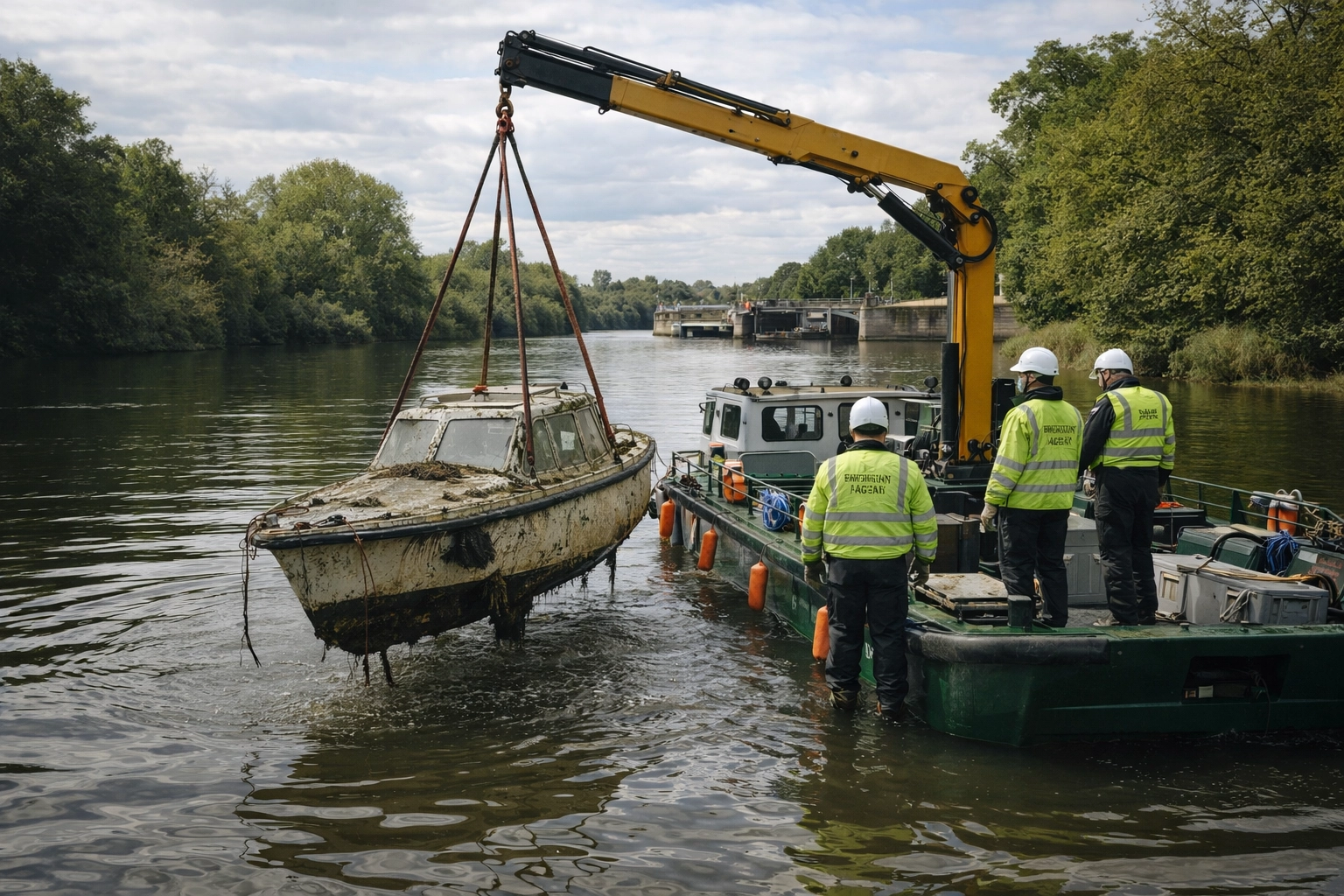
Specialist teams are using heavy-duty cranes and salvage barges to lift waterlogged vessels from the riverbed. Each boat is assessed before removal to ensure any hazardous materials are contained.
Why abandoned vessels matter
Abandonment often stems from financial hardship or neglect. When a boat owner can no longer afford mooring fees or maintenance, vessels are sometimes left to rot. Eventually, they take on water and sink, becoming a permanent fixture of the riverbed.
Beyond chemical pollution, sunken boats create physical obstructions. They can snag the gear of rowers and sailors, create dangerous eddies, and damage the hulls of passing river traffic, raising safety risks for Thames users.
The operation also targets illegal moorings. By removing vessels that have no right to be on the river, the EA is reclaiming space and aiming to keep the Thames accessible to legitimate river traffic.
What happens next for the Thames
This is the most significant intervention of its kind since 2016. While smaller cleanups occur regularly, the scale of this project reflects a growing urgency around environmental degradation.
The non-tidal Thames is a key habitat supporting fish, insects and birds, but years of debris and pollution have put biodiversity under pressure. The current removals sit alongside wider initiatives such as the Port of London Authority's "Clean Thames Plan", with a stated ambition of a river free of sewage and waste by 2050.
Recovery is technical and slow. Divers may secure lifting straps around hulls, boats may be pumped out to prevent collapse, and recovered vessels are taken to specialist facilities where metals can be recycled and hazardous liquids disposed of under environmental rules.
The Environment Agency has said it will pursue owners for costs where possible under the "polluter pays" principle, while attention is also turning to prevention: education for owners, disposal options for end-of-life boats, and ongoing monitoring as major river events such as London Rivers Week 2026 bring scrutiny back to urban water health.
While government teams handle salvage work, community groups including Thames21 continue foreshore cleanups and monitoring. The Thames is being cleared, but enforcement and long-term prevention will determine whether this cleanup marks a reset or a temporary fix.
The Thames is more than just a waterway; it is a critical corridor for wildlife, recreation and local economies, and its restoration depends on sustained enforcement and long-term prevention.
The message is clear: the Thames is being cleaned up, but the work is far from over. Maintaining the momentum of this "largest cleanup in a decade" will be essential for the next generation of river users.