


























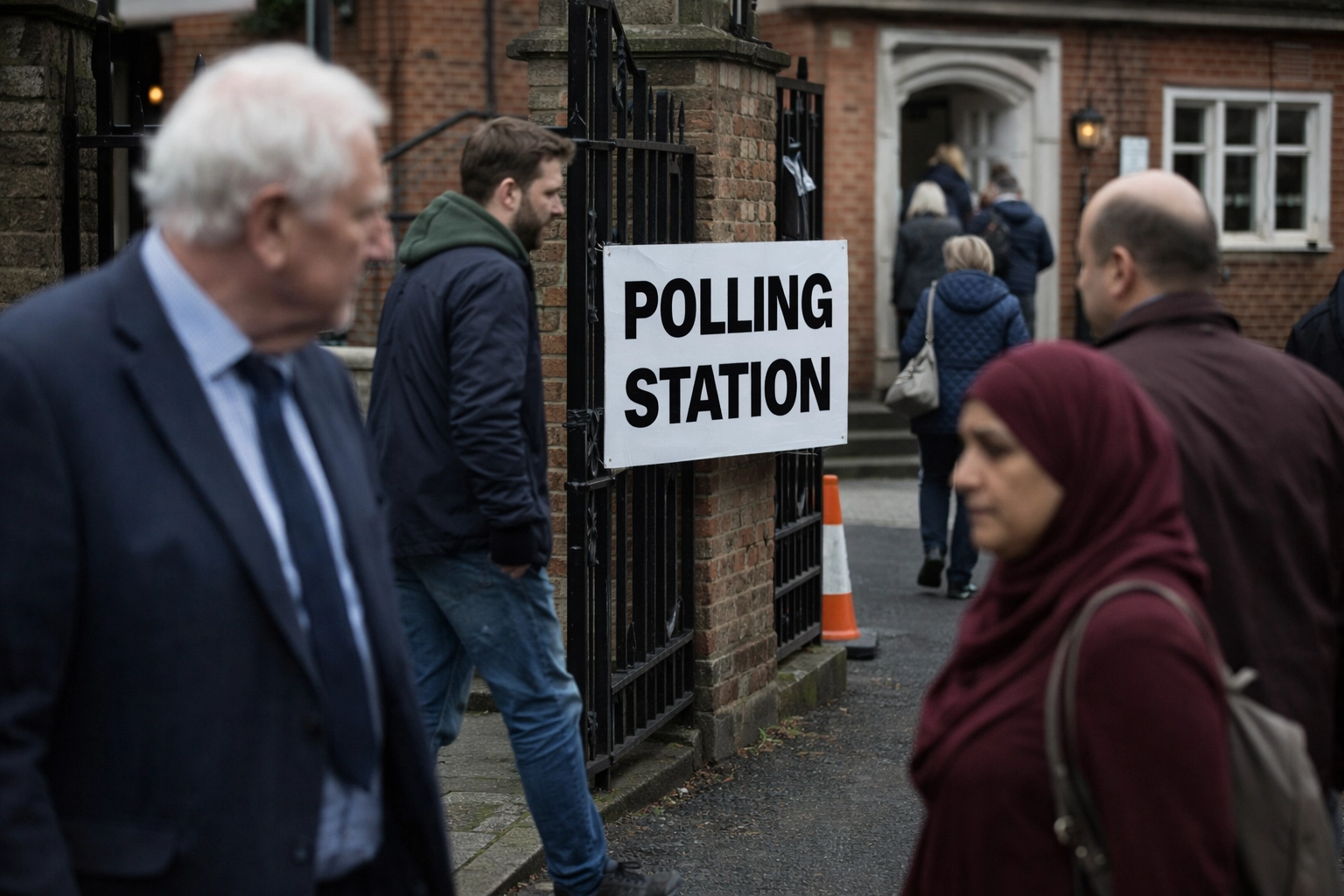

British voters are increasingly building “mixed” news diets that combine legacy broadcasters, national papers, and a growing set of independent, digital-first publishers. The shift is being driven by low trust in headlines, the speed of online commentary, and the simple reality that politics now breaks on phones long before it reaches the evening bulletin.
This guide sets out how the UK’s alternative news ecosystem works, what different formats are good for, and how to assess reliability without needing to agree with a publication’s viewpoint. It is not a list of endorsements, but a practical map of the landscape that has emerged as the next election cycle approaches.
The fragmentation of the British media landscape
The UK still has a relatively concentrated “agenda-setting” layer, where a small number of broadcasters, wire services, and national papers shape what gets covered. Alternative outlets often do something different: they pick up stories that are under-reported, pursue angles that are unfashionable, or keep reporting after the mainstream has moved on.
Fragmentation shows up in how people consume news. Many voters now graze across multiple sources in short sessions, mixing quick updates with longer reads, clips, and explainers. That behaviour rewards outlets that can publish fast, package clearly, and distribute effectively across search and social feeds.
It also creates a more uneven information environment. Two people following the same Westminster story can end up with entirely different “facts first” frames depending on what they see in newsletters, podcasts, YouTube channels, TikTok explainers, or Telegram threads. That does not automatically mean one person is misinformed, but it does mean shared context is thinner than it used to be.
For voters, the upside is range. Alternative publishers can cover local government failures, niche policy areas, specific communities, or international stories with a focus and persistence that bigger newsrooms do not always have time for. The downside is quality variation, because the barriers to publishing are low and speed can beat verification.
A practical way to navigate fragmentation is to separate three things that are often blended together online.
Reporting is the gathering of new information, documents, or first-hand accounts. Analysis is the “what it means” layer, where context and incentives matter. Commentary is argument, where the goal is persuasion. Alternative outlets can be strong in any of the three, but voters benefit from spotting which mode they are reading.
Another useful habit is to track story origin. Many viral political claims start as a single clip, an anonymous post, or a partial document. Reliable outlets, whether mainstream or alternative, usually show their workings: what was seen, when it happened, what is confirmed, what is alleged, and what is still unknown.
Ideological depth and the rise of digital-first voices
A key reason alternative outlets grow is that they offer clearer identity. Some are openly ideological. Others are explicitly anti-establishment. Some focus on a single theme such as free speech, corruption, housing, immigration, climate policy, public spending, or institutional reform.
That clarity can help readers. It makes assumptions easier to detect. If an outlet is honest about its stance, voters can read it as one lens among several rather than mistaking it for neutral reporting.
Digital-first operations also tend to be format-native. Many are built around video clips, presenter-led commentary, livestreams, or interviews that can run longer than traditional broadcast slots. Others focus on data-driven explainers, FOI-led investigations, or legal and parliamentary process reporting that is too technical for quick-hit headlines.
These publishers often operate with different economics than legacy media. Common models include memberships, subscriptions, donations, sponsorships, and platform revenue. Each model creates incentives.
Subscription-led outlets are often rewarded for depth and distinctiveness. That can produce high-quality investigation, but it can also push toward “exclusive” framing where nuance is less marketable than certainty. Ad-led operations can be rewarded for volume, which can weaken verification under time pressure. Creator-led outlets can become personality-driven, where trust in a presenter stands in for trust in a newsroom process.
Voters can evaluate credibility without needing inside knowledge of a newsroom.
Look for transparent corrections. Serious outlets correct clearly and do not quietly rewrite major claims without note. Watch how they handle uncertainty. Do they distinguish confirmed facts from inference, and do they update when facts change. Check sourcing. Are documents linked or described precisely, and are claims attributable to named institutions, on-the-record officials, court filings, or identifiable witnesses.
Also consider whether an outlet is structurally able to do original reporting. That does not mean it needs a big payroll, but it usually needs evidence of first-hand work: attending court, filing FOIs, visiting locations, requesting comment, and showing documentary proof.
Finally, consider the difference between “contrarian” and “independent”. Alternative outlets sometimes perform a useful role by challenging conventional narratives. But contrarianism as a brand can become its own bias, where the default assumption is that the mainstream is wrong and the alternative must be right.
Hyper-local reporting and the newsletter revolution
Some of the most consequential political stories for voters are local before they are national. Council finances, housing delivery, school provision, transport reliability, policing capacity, and NHS waiting times are experienced street by street and ward by ward. Alternative local reporting can surface problems early, particularly where legacy local papers have shrunk or shifted toward syndicated content.
Hyper-local publishers, community reporters, and small investigative projects often focus on the mechanics of power: procurement decisions, planning committees, governance failures, and conflicts of interest. That kind of coverage can be unglamorous, but it is closely linked to accountability.
The challenge is reach. Local outlets can do strong reporting and still struggle to be seen, especially when platform algorithms prioritise national controversy over local detail. That has pushed many of these publishers into formats that create direct audience relationships, including newsletters and messaging channels.
Newsletters have become a major part of the UK’s alternative news mix because they solve distribution. They land directly in an inbox, bypassing some algorithmic filtering and providing a predictable cadence. Many newsletter writers also include clear “what we know” summaries, document links, and timelines, which can help voters follow complex stories across weeks rather than hours.
The risk is personalisation. An inbox-driven routine can turn into a private information stream that steadily narrows. Voters can counter that by treating newsletters as briefings, not verdicts, and by comparing a claim with at least one outlet that is likely to disagree.
A simple voter checklist helps in local and newsletter-heavy reporting.
Check whether the outlet sought a right of reply, especially when allegations are serious. Look for dates, locations, and named bodies, not just general claims. Pay attention to legal language around court reporting, which often signals a story is grounded in a formal process. If a claim relies on a single clip or screenshot, look for the full context.
The alternative news landscape is likely to keep expanding through 2026 as political campaigning moves further into creator-led video, niche podcasts, and subscription media. For voters, the practical goal is not to find one perfect source, but to build a resilient mix that combines speed, depth, and verifiable reporting as stories develop.