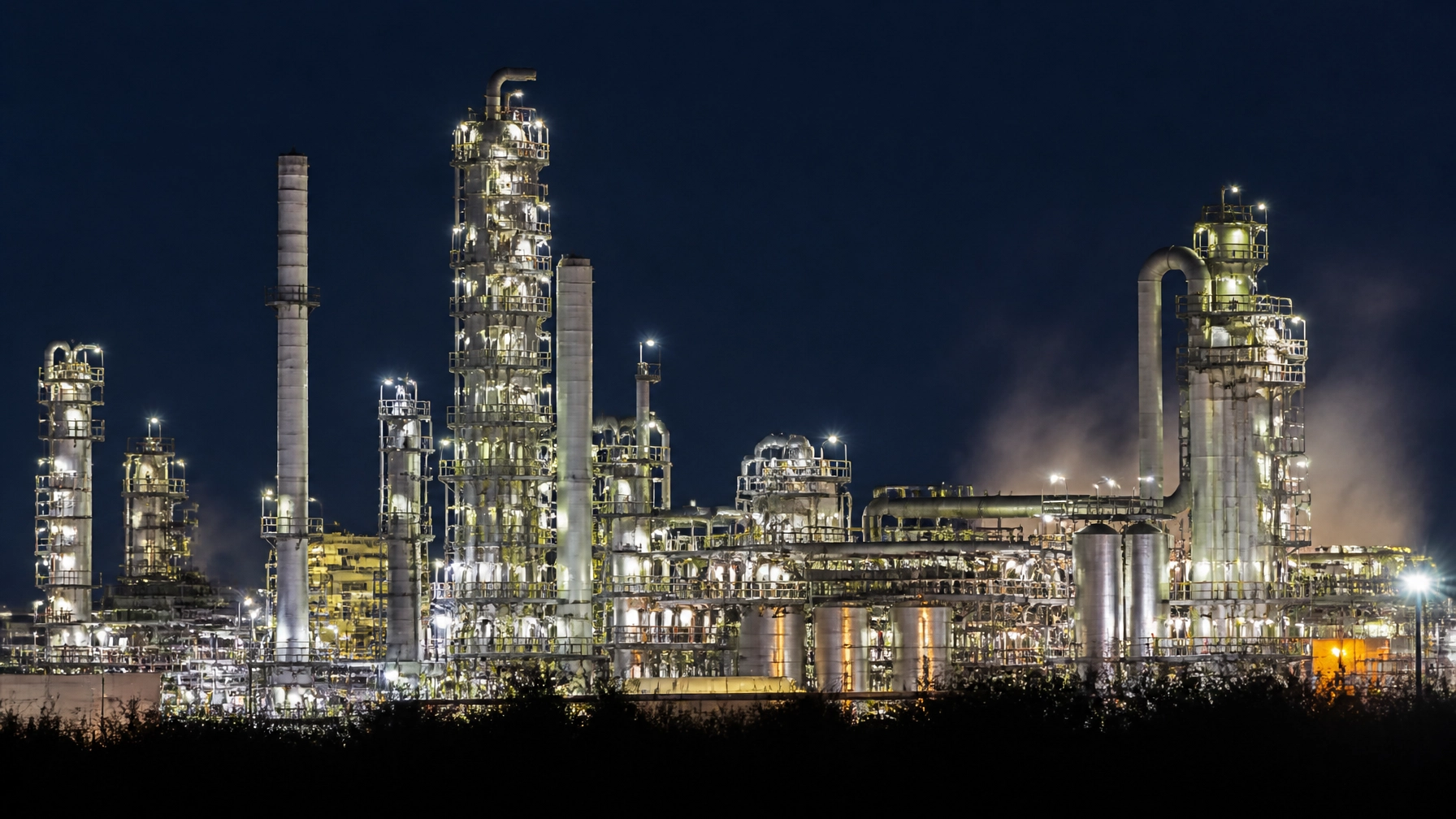
A massive wave of long-range drones has targeted the heart of the Russian capital's energy infrastructure, striking a major oil refinery and forcing the closure of several international airports. The operation, described as one of the largest aerial incursions since the beginning of the conflict, saw dozens of unmanned aerial vehicles (UAVs) penetrate the heavily fortified airspace around Moscow. Plumes of thick black smoke were visible for miles across the city's south-eastern outskirts as emergency services rushed to contain fires at the facility.
The primary target of the raid was the Moscow Oil Refinery in the Kapotnya district, a critical asset owned by the energy giant Gazprom Neft. Local residents reported hearing several loud explosions in the early hours of the morning, followed by the distinctive hum of low-flying drones. Despite the presence of advanced surface-to-air missile systems and electronic warfare units, several of the devices reached their destination, causing significant damage to a technical unit responsible for primary crude oil processing.
This latest escalation marks a shift in the aerial campaign, bringing the reality of the war directly to the doorsteps of the Russian elite and the country’s economic centre. While previous attacks have targeted border regions and smaller fuel depots, the focus on a refinery so close to the Kremlin underscores the increasing range and sophistication of the technology being deployed. The strike has not only physical consequences for the plant’s operations but also carries a profound symbolic weight, challenging the narrative of domestic security that has been maintained in the capital.
Scale of the drone raid
The sheer scale of this operation has caught many observers by surprise. Initial reports suggest that over 140 drones were launched in a coordinated effort across multiple regions, with at least 20 specifically directed toward Moscow and its surrounding suburbs. This saturation tactic is designed to overwhelm air defence batteries, forcing them to exhaust their ammunition on smaller, cheaper targets while allowing more sophisticated "one-way" attack drones to slip through the gaps.
The drones used in this operation are believed to be long-range models capable of travelling hundreds of kilometres deep into foreign territory. These aircraft are often made from lightweight composite materials, making them difficult to detect on traditional radar systems. By flying at low altitudes and following pre-programmed routes that avoid known anti-aircraft clusters, they can navigate through complex corridors to reach high-value targets.
In the Moscow region alone, authorities claimed to have shot down more than a dozen UAVs, but the debris from these interceptions has also caused damage on the ground. Several residential buildings were reportedly struck by falling fragments, leading to casualties and the evacuation of several tower blocks. The intensity of the barrage meant that for several hours, the sky above the capital was a chaotic theatre of tracers and explosions as the city’s defensive shield attempted to repel the incoming craft.
This operation represents a calculated gamble, utilising a massive inventory of domestically produced technology to strike at the jugular of the energy sector. By deploying such a large number of assets simultaneously, the offensive ensures that even a high interception rate cannot prevent some of the drones from reaching their intended targets. The psychological impact on the civilian population in Moscow is significant, as the sound of air raid sirens and the sight of defensive fire have become a rare but terrifying reality in a city that has largely remained insulated from the front-line horrors of the ongoing war.
Disruption to flights and infrastructure
The immediate fallout from the drone raid extended far beyond the walls of the refinery. As the extent of the aerial threat became clear, aviation authorities took the unprecedented step of grounding all flights across the capital’s major hubs. Vnukovo, Domodedovo, and Zhukovsky airports were all forced to suspend operations, leading to hundreds of cancellations and thousands of passengers being stranded in terminals or diverted to secondary airstrips as far away as Kazan and Nizhny Novgorod.
The closure of the airspace is a standard safety procedure during such attacks to prevent accidental collisions between civilian airliners and either the drones themselves or the interceptor missiles fired by ground crews. However, the economic cost of such a shutdown is immense. Moscow serves as the primary transit point for both domestic and international travel, and a prolonged disruption ripples through the entire logistics network. The suspension lasted for several hours, only being lifted once the regional military command declared the immediate threat had passed.
Beyond the transport sector, the strike on the refinery has raised urgent questions about the resilience of the city’s power and heating infrastructure. While the fire at the Kapotnya plant was eventually brought under control, the damage to its processing units is expected to result in a temporary but sharp decrease in the production of petrol and diesel for the local market. This refinery is responsible for approximately 40 per cent of the fuel consumed in the Moscow metropolitan area, meaning any long-term outage could lead to price spikes at the pumps and shortages for public transport services.
Repairing such facilities is a complex task made even more difficult by international sanctions, which have restricted access to specialised Western components and engineering expertise. The refinery depends on intricate systems for cooling and cracking crude oil, many of which are unique to that specific site. If the damage is as extensive as some initial social media footage suggests, the facility could face weeks or even months of reduced capacity, putting further strain on an already overstretched energy grid.
Strategic importance and energy impact
The strategic logic behind targeting the Moscow Oil Refinery is rooted in the broader economic war that has paralleled the kinetic conflict. Refineries are highly vulnerable, high-value targets. Unlike oil wells, which are numerous and spread out, a refinery is a concentrated hub of industrial activity that is difficult to replace or repair quickly. By striking these "bottlenecks," the aerial campaign aims to starve the military machine of the high-quality fuel it needs to operate tanks, aircraft, and logistics trucks.
Furthermore, the Moscow facility is a crown jewel in the domestic energy portfolio. It is not just a source of fuel; it is a source of tax revenue and a symbol of industrial prowess. Disruption here hits the national treasury directly. The energy sector remains the primary engine of the national economy, and consistent pressure on its infrastructure forces the government to divert resources away from the front line to protect domestic assets. Every anti-aircraft battery moved to Moscow to guard a refinery is one fewer system available to protect troops on the battlefield.
The impact of these strikes also has a global dimension. While this specific refinery primarily serves the domestic market, the persistent threat to the refining sector has the potential to influence global energy prices. Investors and traders watch these developments closely, as any significant reduction in refined product output can lead to increased demand for imports or a reduction in exports from other regions, tightening the global supply-demand balance.
Ultimately, this raid signals a new phase in the conflict where the boundaries of the "war zone" have been permanently blurred. The ability to strike targets in the heart of the capital with such frequency and scale suggests that the technological advantage is shifting. As long as these long-range capabilities continue to evolve, the industrial and energy hubs that sustain the state will remain in the crosshairs. The smoke rising over Kapotnya is a stark reminder that in modern warfare, the distance from the trenches offers no guarantee of safety for the critical infrastructure that keeps a modern city running.