








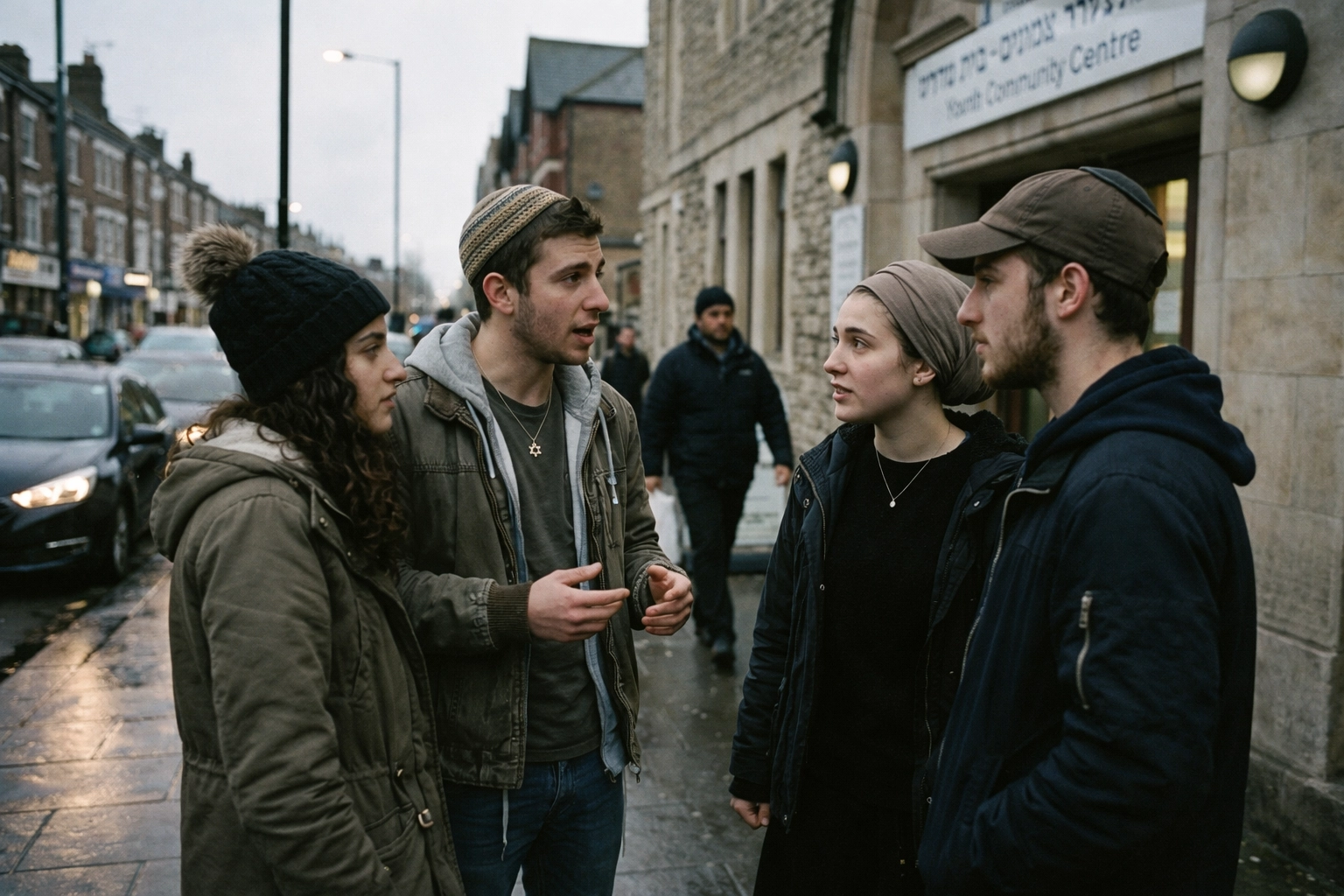
Understanding the internal landscape of any community takes more than a quick glance at the headlines. In the United Kingdom, the Jewish community is often discussed in broad terms, but the reality is far more layered. For young British Jews, the current global and domestic climate has prompted a period of serious reflection. As an outlet committed to independent news uk, we believe these untold stories deserve proper attention. They are the real conversations often happening away from public view, beyond the simplified narratives that tend to dominate wider debate.
The generational divide within the British Jewish community feels especially sharp right now. For many older generations, the relationship with Israel and the idea of Zionism was shaped by historical memory and communal experience. For people in their twenties and thirties, that picture is changing. Recent data suggests that nearly a quarter of British Jews aged 20–29 now identify as anti-Zionist. That is not a small shift. It points to a deeper change in how younger people are reconciling heritage, politics and personal ethics. It is a complicated development, rooted in questions around justice, belonging and responsibility, and it deserves nuance rather than easy assumptions.
Redefining Identity and Zionism
For many young Jews in the UK, the term 'Zionism' no longer has one fixed meaning. While it remains central for some, others are openly questioning ideas that previous generations may have treated as settled. The rise in anti-Zionist or non-Zionist identification, from 8% in 2022 to 12% across the wider community in 2025, with the strongest concentration among younger people, points to a growing discomfort with the actions of the Israeli state. For many, this comes from a sense of ethical responsibility. Their Jewish values, including the idea of 'Tikkun Olam' or repairing the world, shape how they respond to injustice.
That difference in outlook can create real strain inside families and community organisations. It is not unusual to find parents and children holding sharply different views on the Middle East. These real conversations can be difficult because they touch on fear, loyalty and identity all at once. For many younger Jews, criticism of Israel is not a rejection of Jewishness. In many cases, it is an expression of Jewish identity through conscience and debate. They are trying to find ways of being Jewish that feel honest to their values without requiring unquestioning allegiance to a state. That search is one of the most important untold stories in Britain today.
The ongoing conflict in Gaza has also intensified this reassessment. Many young people say the scale of violence has weakened their emotional connection to the region. Large parts of the community have said current events clash with their personal Jewish values. For younger generations, who are often closely connected to global justice movements online and offline, that tension is especially strong. They are navigating a world where they may need to defend their identity in progressive spaces while also challenging established thinking within their own communities.
Social Justice and Modern Jewish Life
For many young British Jews, identity is increasingly tied to a broader commitment to equality, human rights and opposition to racism in all its forms. Older generations may have placed support for Israel at the centre of communal identity, but many younger people are approaching things differently. That does not mean they care less about safety or belonging. It often means they see those concerns as connected to the rights and dignity of others too.
This commitment to social justice can lead young British Jews into causes their parents may view with caution, from climate activism to refugee support and anti-racism campaigns. Many draw on family histories of persecution and displacement when explaining why these issues matter so much to them. They are also thinking carefully about tensions within UK society and how those pressures affect different communities. In that sense, their outlook is not narrow or inward-looking. It is grounded in a wider view of what responsibility can look like in public life.
That shift is also changing expectations around media and community debate. Many want an independent news uk perspective that takes internal disagreements seriously without turning them into caricature. They are looking for spaces where they can be Jewish, thoughtful, progressive and critical without being dismissed. Their engagement with social justice is not a side issue. It is part of how they make tradition feel relevant in contemporary Britain and how they open space for more honest real conversations.
The Emotional Weight of the Current Moment
The period following 7 October has been exceptionally difficult for young British Jews across the political spectrum. Many have found themselves carrying more than one form of distress at once. There is the trauma of the attacks and the war that followed, but also the reaction from wider social, academic and professional circles. Some have described this as a kind of traumatic invalidation, where grief and fear are met with silence, minimisation or blame.
For some, the response from non-Jewish friends and peers was deeply upsetting. It created a sense of exclusion from spaces where they had once felt politically and socially at home. That feeling has led some to rethink where they fit within British public life. When Jewish pain is met with deflection or suspicion, the result can be profound isolation. One of the hardest real conversations many are having is about feeling too Jewish for some progressive spaces and too critical for parts of the mainstream community.
Much of this emotional strain remains invisible. It can show up as anxiety about visible symbols of faith, hesitancy in classrooms or workplaces, or a retreat from online platforms. At the same time, many young British Jews are building new networks of support, discussion and creativity. They are creating communities that recognise complexity instead of hiding from it. The result is a generation that is not silent, but speaking in ways that challenge older assumptions. Their voices reflect a community in motion, shaped by conscience, pressure and change, and those voices will continue to influence how British Jewish life develops in the years ahead.