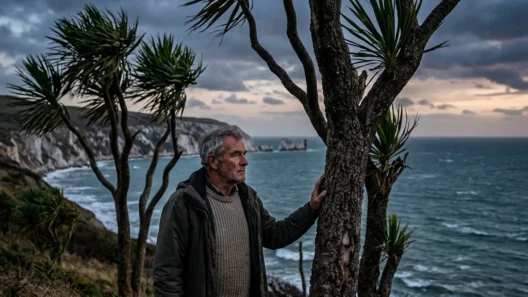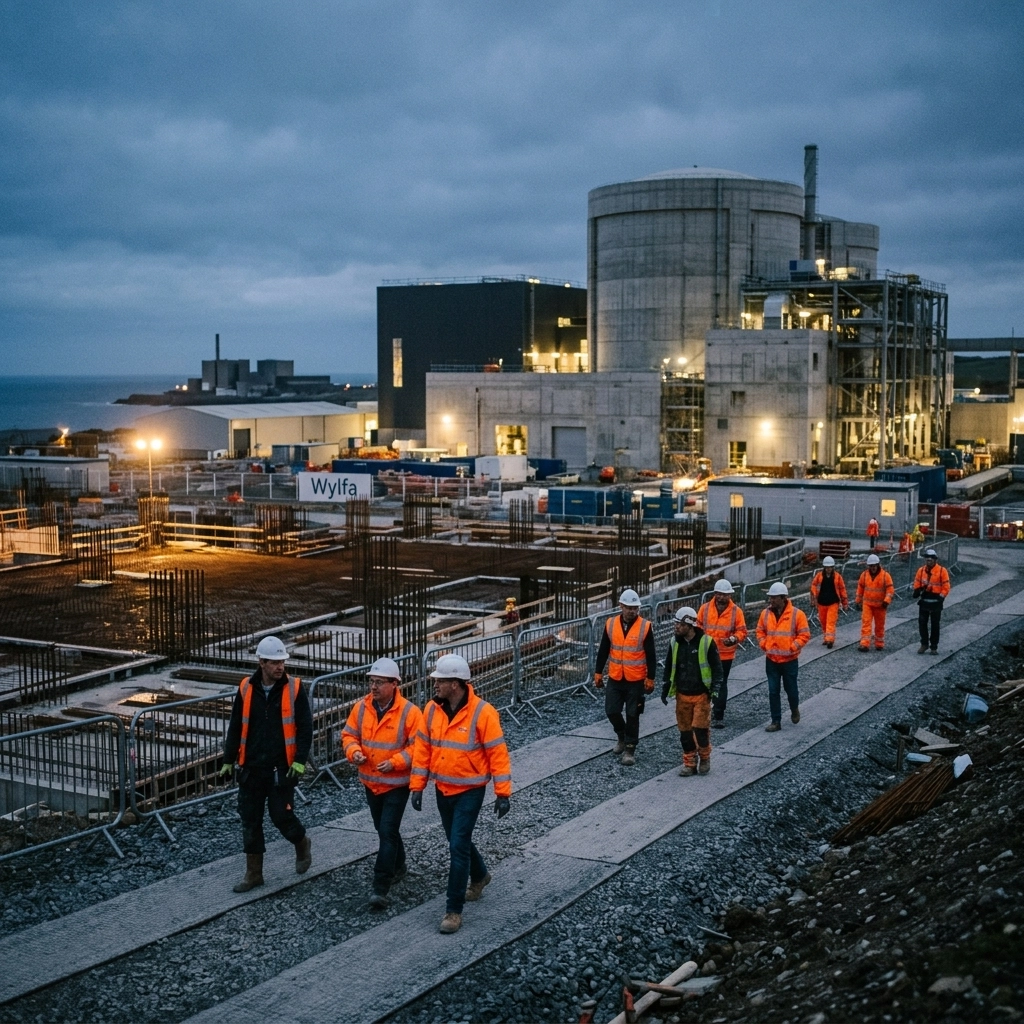
The skyline of Anglesey has long been defined by the silent, concrete monoliths of the Wylfa Magnox station. For decades, it was the lifeblood of the island, a provider of steady wages and a titan of the local economy, until the last of its reactors hummed to a halt in 2015. Since then, the site has stood as a quiet monument to a previous era of British engineering. But as of April 2026, that silence has been shattered by a bold new vision. The UK government’s official approval of the Wylfa nuclear project marks more than just a return to power generation; it represents a seismic shift in the nation’s industrial strategy and its pursuit of energy sovereignty.
This is not a story of the past, but an untold narrative of a high-tech future. The approval signals the commencement of a £2.5 billion partnership with Rolls-Royce, designed to plant the seeds of a nuclear renaissance on Welsh soil. At the heart of this development are 8,000 promised jobs, a figure that has sent ripples of optimism through a region that has felt the sting of industrial decline. This is the story of how a small island in North Wales is set to become the beating heart of the UK’s net-zero ambitions, powered by a technology that promises to be as efficient as it is revolutionary.
The Resurrection of the North Wales Industrial Engine
The economic impact of the Wylfa approval cannot be overstated. When we look at the raw data, the headline figure of 8,000 jobs is staggering, but the breakdown reveals a more nuanced strategic victory. Approximately 3,000 of these roles will be based directly at the Anglesey site, providing high-skilled, long-term employment for a generation of Welsh engineers, technicians, and support staff. The remaining 5,000 jobs are expected to be generated nationwide, stimulating a supply chain that stretches from the manufacturing hubs of the Midlands to the research laboratories of the North.
For the local community, this is a lifeline. The "nuclear glow" of the past wasn't just about electricity; it was about the social fabric of the island. Schools, small businesses, and local infrastructure thrived when Wylfa was operational. The new project aims to replicate and exceed that legacy. This isn't just about temporary construction roles. The lifecycle of a nuclear plant spans decades, meaning these are careers, not just jobs. It provides a reason for young people in Wales to stay, train, and excel in a cutting-edge industry rather than seeking opportunities in the capital.
From a business perspective, the government's decision to back Wylfa is an analytical masterstroke in regional levelling up. By anchoring a £2.5 billion investment in North Wales, the state is leveraging existing nuclear expertise and a site that is already geologically and logistically suited for power generation. This isn't building on a whim; it is an exercise in revitalising an industrial asset that has been underutilised for too long. As we explore the broader implications for the climate, it becomes clear that this economic engine is also a critical tool for environmental survival.
Small Modular Reactors: The Blueprint of Precision
The true disruptor in this narrative is the shift in technology. Unlike the massive, bespoke mega-projects of the past: which often suffered from spiralling costs and decades-long delays: Wylfa will be the testing ground for Rolls-Royce’s Small Modular Reactors (SMRs). The strategy here is bold: instead of building a unique cathedral of engineering on-site, the SMR approach treats nuclear reactors like high-precision factory products.
SMRs are designed to be manufactured in controlled factory environments as discrete modules, which are then transported and assembled on-site. This modularity reduces construction risk, slashes build times, and significantly lowers the entry price for nuclear power. At Wylfa, the plan involves the installation of three of these units. Once they are fully operational, they are projected to generate enough clean electricity to power approximately three million homes.
The investment of up to £599 million from Britain’s National Wealth Fund into the Rolls-Royce SMR programme underscores the government’s commitment to this specific technological path. It is a calculated bet on British ingenuity. By becoming a first-mover in the SMR space, the UK isn't just solving its own energy needs; it is creating an exportable product. If the Wylfa rollout is successful, these British-made reactors could be sold to nations across the globe looking to decarbonise their grids without the astronomical price tag of traditional plants.
Inside the industry, the move is seen as a necessary evolution. We have seen the challenges faced by larger projects, but the SMR model offers a more agile, business-focused alternative. It allows for a staged approach to energy security, where capacity can be added incrementally. This flexibility is vital in a modern energy market that demands both stability and the ability to adapt to fluctuating demand. You can find more inside looks at how industrial shifts are reshaping the UK economy on our dedicated channel.
Energy Security in a Volatile Global Landscape
Beyond the jobs and the technology lies the most pressing driver of all: national security. The geopolitical events of the mid-2020s have laid bare the vulnerabilities of relying on international gas markets. Energy security is no longer a peripheral concern for the UK; it is a pillar of national defense and economic stability. Wylfa’s three SMRs are designed to operate for more than 60 years, providing a consistent, "baseload" supply of electricity that doesn't depend on the sun shining or the wind blowing.
The approval of Wylfa is a bold declaration of energy independence. By committing to a domestic nuclear programme, the UK is insulating itself from the price shocks and supply-chain manipulations that come with fossil fuel dependency. Nuclear power provides the foundational stability that allows a grid to integrate more intermittent renewable sources like wind and solar. It is the anchor that keeps the system steady.
Moreover, the Wylfa project aligns perfectly with the UK’s legally binding commitment to reach net-zero emissions by 2050. While some may argue about the role of nuclear in a green future, the analytical reality is that meeting the country’s massive electricity demands without carbon-heavy coal or gas requires a reliable, high-output alternative. Nuclear is the only proven technology capable of delivering that scale. The 8,000 jobs created are, in essence, the vanguard of the green industrial revolution.
As we look toward the 2030s, when these reactors are expected to come online, the landscape of British energy will look fundamentally different. The glow of Wylfa will not just be a memory of a bygone industrial age, but a signal of a nation that has reclaimed its ability to build, innovate, and secure its own future. The road to final investment and regulatory approval still requires careful navigation, but the government’s green light has set a momentum that will be difficult to halt.
The resurrection of the Wylfa site is a narrative of resilience. It is a story about a community being brought back into the fold of the national economy and a company like Rolls-Royce proving that British manufacturing can still lead the world. Most importantly, it is a statement that the UK is prepared to take the bold steps necessary to ensure its homes are powered, its workers are employed, and its environment is protected for the next sixty years and beyond. The nuclear heart is beating again, and its pulse will be felt far beyond the shores of Anglesey.
The project stands as a testament to what can be achieved when industrial heritage meets future-facing innovation. As construction begins and the first of the 8,000 workers arrive on-site, the transformation of Wylfa will serve as a blueprint for how the UK can navigate the complexities of the 21st-century energy transition. It is a significant milestone in the country's journey toward a more secure, prosperous, and sustainable future.