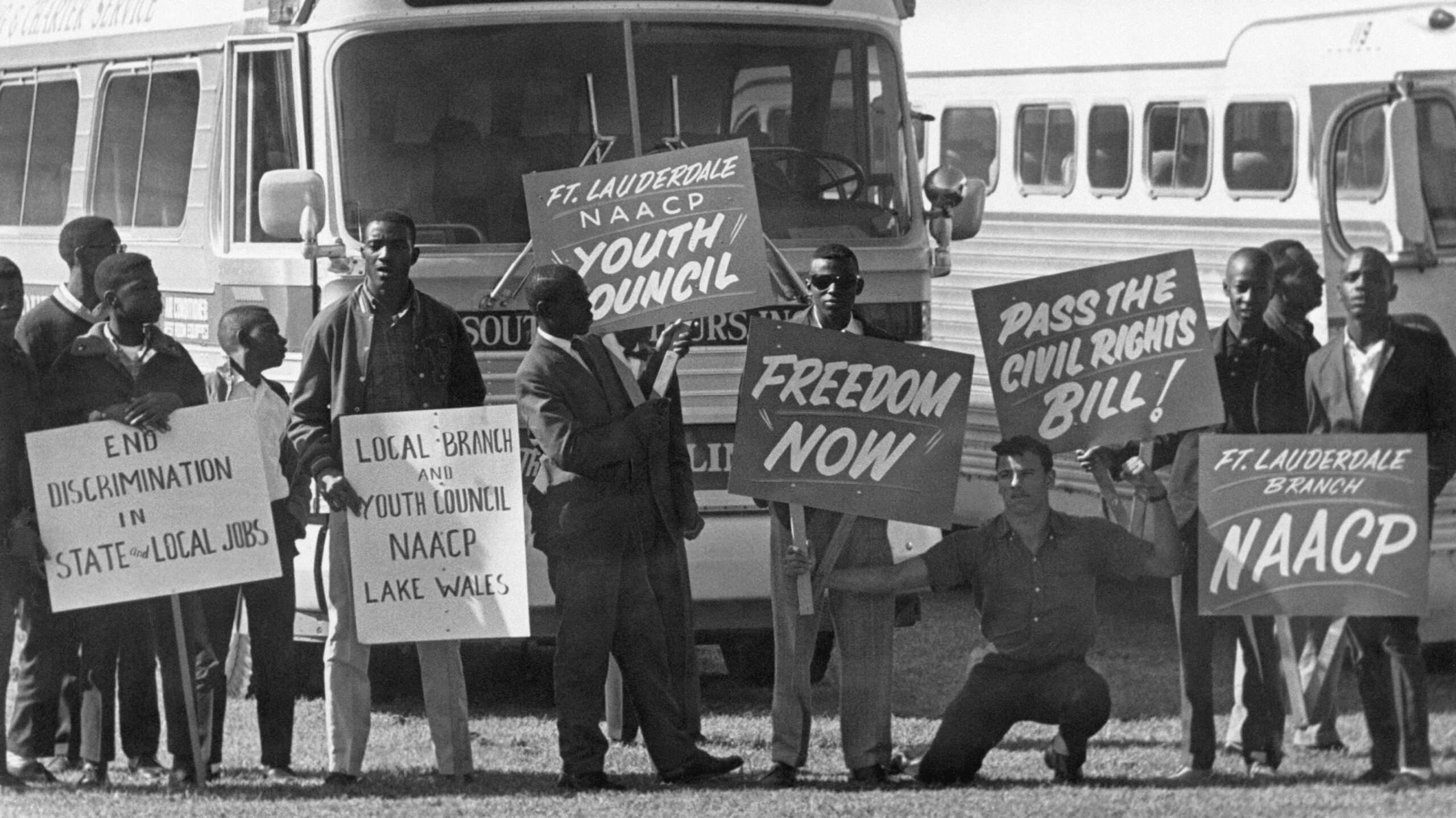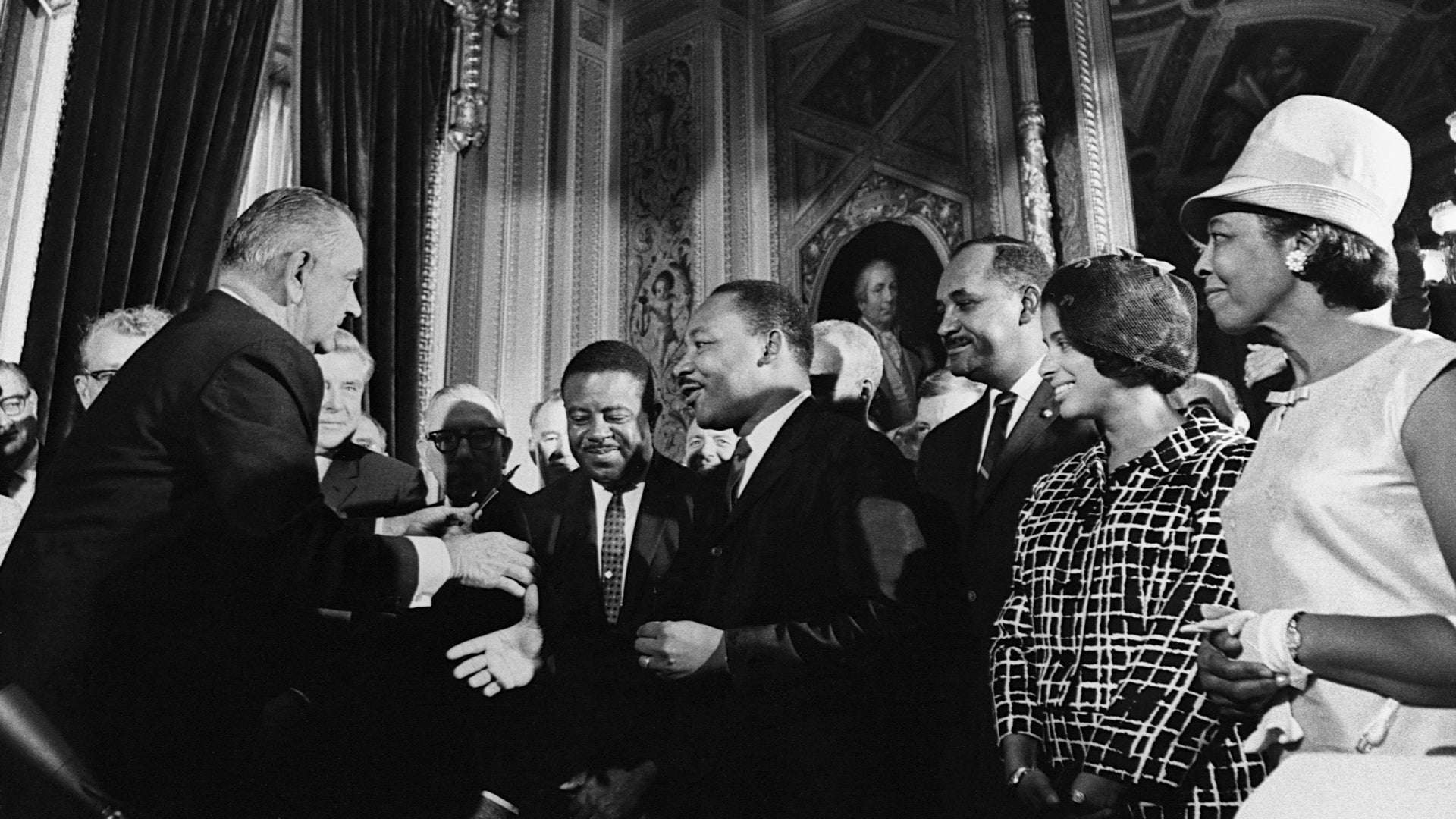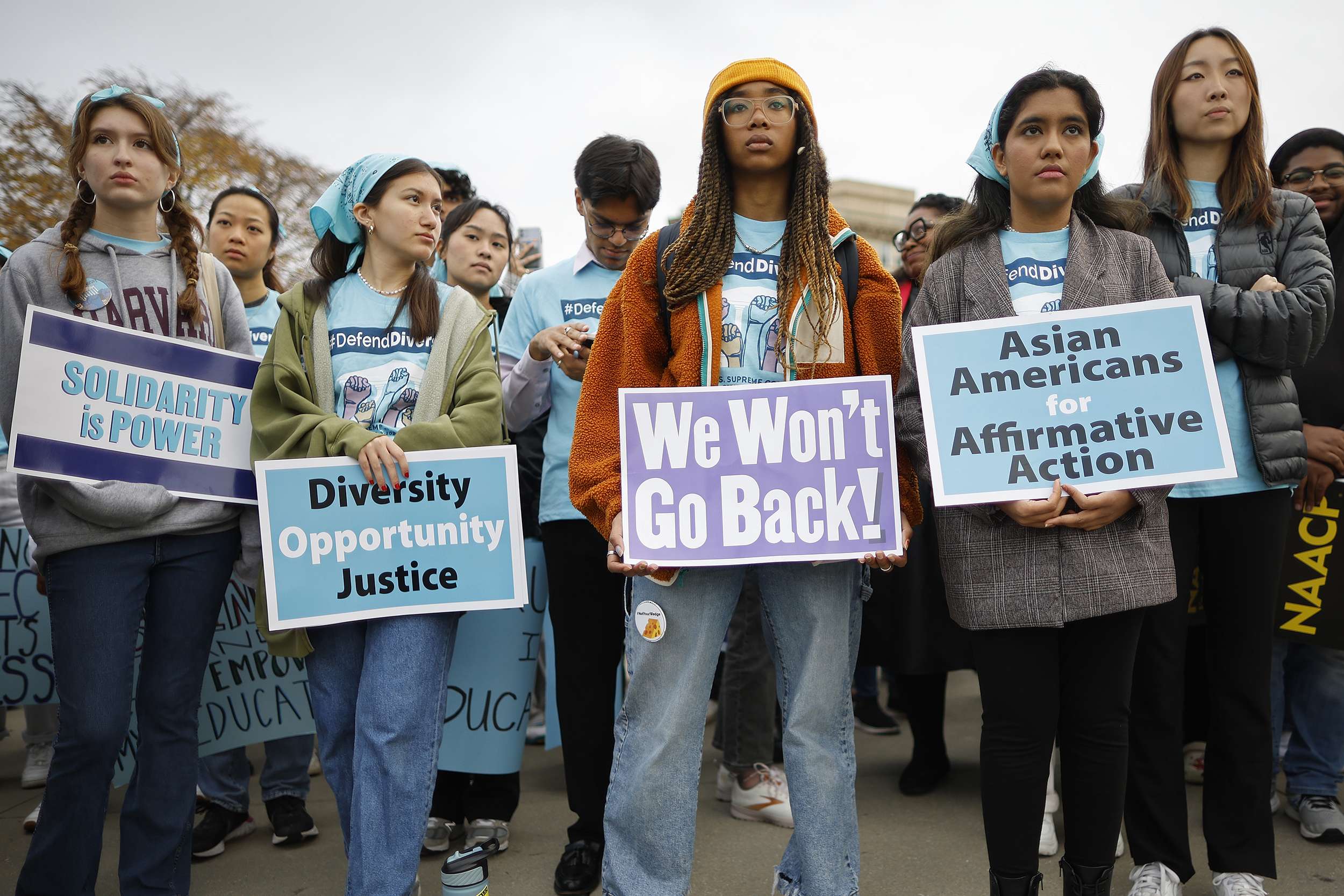
President Lyndon B. Johnson made it clear that a shift was greatly needed in America. No longer could we preach about a land of opportunity, when minorities didn’t have the same foundation or access to educational institutions. Thus, Affirmative Action was introduced by President Johnson at Howard University in 1965.
In 1977, a white college student found himself denied admission to a medical school and sought justice. Affirmative Action was officially under attack and the courts would have to decide: is this legal? In the end, Affirmative Action remained, but with additional criteria in set in place.
In this episode of Black History in Two Minutes or So hosted by Henry Louis Gates Jr., with additional commentary from Brittney Cooper and Kimberle Crenshaw, we take a look at a law that wanted to give black people equal access to a society that often liked the idea of opportunity, but only within reason.