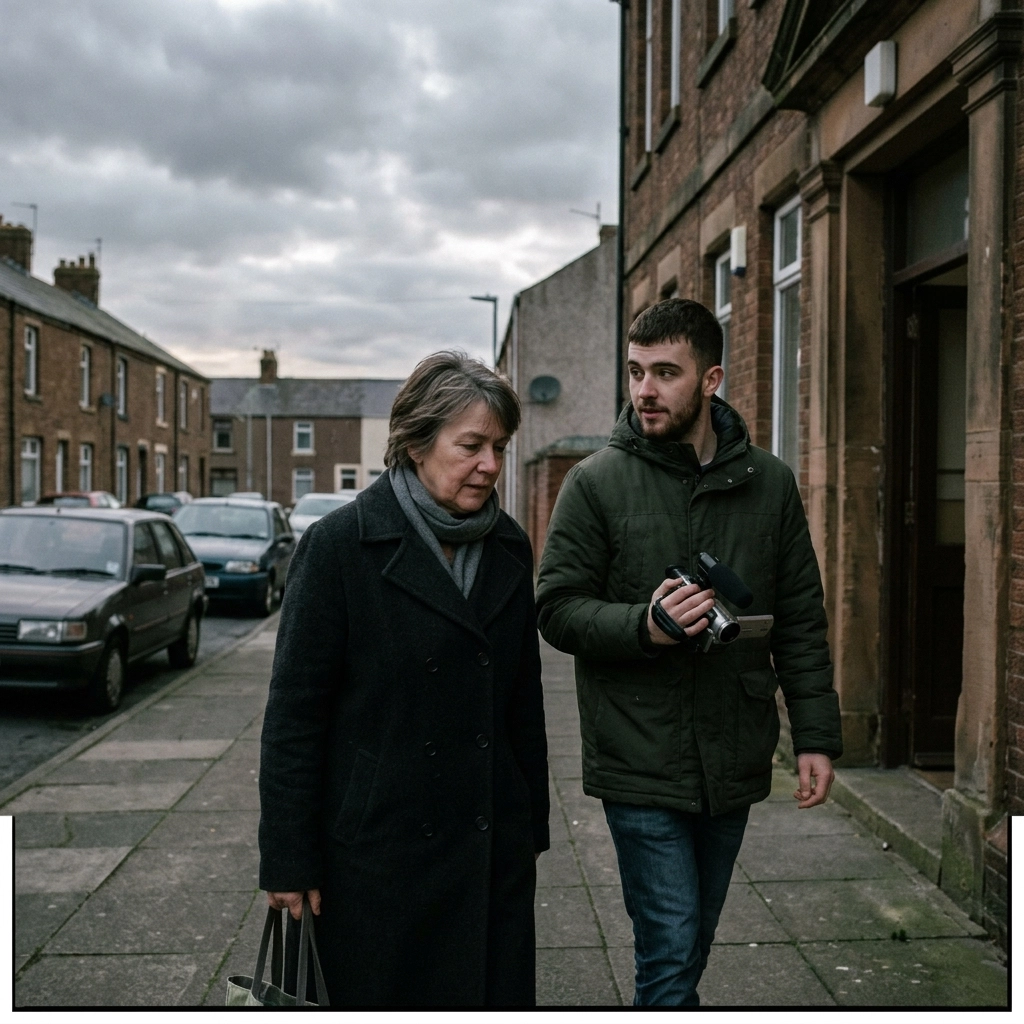
Barrow-in-Furness is a town that usually keeps its head down. Tucked away at the end of a long, winding road in Cumbria, it’s famous for building submarines and enduring some of the most grey-sky days in the United Kingdom. It is a place of grit, industry, and a peculiar kind of isolation that breeds a very specific type of community spirit. But as the new documentary The Lie That Exposed the Truth reveals, that same isolation can also be a breeding ground for silence, suspicion, and stories that the mainstream media often fails to tell properly.
The documentary dives back into the fever dream that was the Ellie Williams case: a saga that didn’t just shake a town but rattled the entire country. For those who need a refresher, it began with a viral social media post and ended with a prison sentence and a community left in tatters. However, this isn’t just a recap of the trial. It’s a bold, gritty exploration of what happens when the truth is layered under years of ignored allegations and a systemic failure to protect the vulnerable. It’s the kind of independent news UK audiences have been waiting for: a story that doesn't just look at the surface-level madness but digs into the roots of why things went so spectacularly wrong.
The Weight of a Viral Lie
When Ellie Williams posted photos of her injuries in 2020, alleging she had been trafficked and beaten by a grooming gang, the response was instantaneous. It was the digital age’s version of a pitchfork mob. The documentary captures this hysteria with a sharp, almost clinical wit, highlighting how quickly a narrative can spiral out of control when it taps into a community's deepest fears. But the film’s real strength lies in its refusal to stop there. While the courts eventually found that Williams had self-inflicted her injuries and fabricated her claims, the documentary asks a much more uncomfortable question: why was the town so ready to believe it?
The answer, as it turns out, is far more complex than just "social media madness." Through a series of new, exclusive interviews, the film suggests that while Williams' specific story was a fabrication, it landed in a town that was already simmering with resentment over genuine, ignored grooming allegations. It’s a classic case of the "boy who cried wolf," except the wolf had actually been seen prowling the outskirts of town for years. The documentary frames this through the lens of untold stories, bringing forward survivors who feel their actual trauma was hijacked by a lie, and then subsequently buried by the fallout of that lie.
The narrative style is unapologetically bold. It doesn't shy away from the fact that the far-right exploited the situation, nor does it ignore the failures of the local police. It paints a picture of a town caught between a rock and a very hard place. On one side, you have the judicial truth: that a young woman lied. On the other, you have the social truth: that many people in Barrow felt let down by the institutions meant to protect them long before Ellie Williams ever hit "post" on her Facebook profile.
The Testimony That Changes Everything
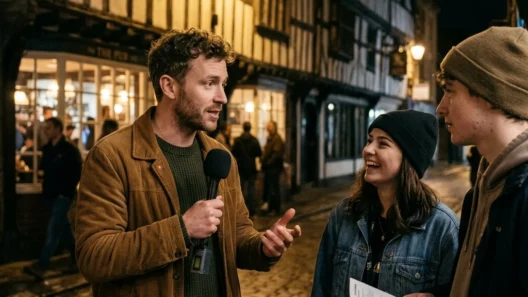
What sets The Lie That Exposed the Truth apart from the standard true-crime fare is the sheer volume of new testimony. This isn't just talking heads in suits; it’s the people on the ground. The documentary presents a series of revelations that force the viewer to look past the headlines and into the dark corners of the Cumbrian coast.
Key revelations highlighted in the documentary include:
- New Survivor Testimony: Several individuals who were not involved in the Williams trial come forward to discuss grooming incidents that pre-date the 2020 scandal, alleging that their reports were dismissed or "filed away" by authorities.
- The Shadow Economy of Barrow: An investigation into the underground networks that flourished in the town’s most deprived areas, suggesting that the "dark secret" wasn't a single gang, but a systemic failure of social care.
- Police Correspondence: Leaked internal communications suggest that the pressure to debunk Williams' false claims may have inadvertently led to the de-prioritisation of other, legitimate investigations into sexual exploitation.
- The Impact on the Accused: Deep-dive interviews with the men falsely accused by Williams, showcasing the devastating, permanent impact on their lives and the racial tensions that were stoked as a result.
- Social Media Analysis: A breakdown of how outside agitators used Barrow as a "laboratory" for disinformation, proving how easily a local crisis can be nationalised for political gain.
These revelations don't just add flavour to the story; they restructure the entire narrative. The documentary makes it clear that the "truth" in Barrow isn't a binary choice between Ellie Williams being a liar and her being a victim. Instead, the truth is a messy, uncomfortable middle ground where a liar was able to cause chaos because the community was already traumatised by genuine, untold stories of abuse that had never been addressed. It’s a masterclass in independent news UK reporting, refusing to take the easy way out and instead choosing to sit in the discomfort of a town's collective grief.
A Town Caught in the Crossfire
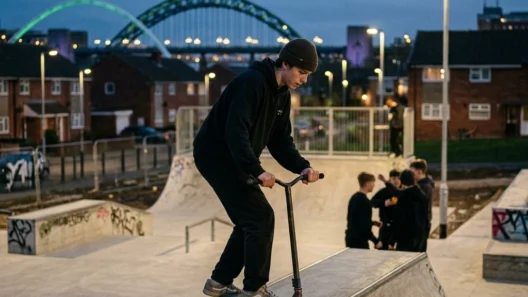
The final third of the documentary focuses on the aftermath. How does a town like Barrow-in-Furness move on? The imagery: grey skies over quiet streets: serves as a metaphor for the lingering cloud of suspicion that still hangs over the community. The documentary is witty in its observation of the "Barrow bubble," the way the town feels like it’s at the end of the world, which both protects it and isolates it from the help it clearly needs.
It’s a bold move to point the finger back at the audience, but the film does exactly that. It examines our collective appetite for sensationalism and how that appetite can destroy a town's social fabric. By focusing on the "untold stories" of those who were actually harmed: not by the lie, but by the systemic failures that preceded it: the documentary shifts the focus from the perpetrator of the hoax to the victims of the silence. It’s a subtle but powerful change in perspective.
The film also tackles the role of the media. Mainstream outlets were quick to jump on the "false claim" narrative because it’s clean and easy to report. But the reality on the ground in Barrow was never clean. The documentary argues that by only focusing on the debunking of the lie, the national press missed the bigger picture: a town crying out for help. This is where NowPWR thrives, focusing on these nuances and ensuring that the complexities aren't lost in the rush for a catchy headline.
Ultimately, The Lie That Exposed the Truth is a harrowing, necessary piece of television. It doesn't offer easy answers or a neat conclusion because life in a town like Barrow doesn't work that way. Instead, it offers a mirror. It shows us the cost of ignoring allegations until they explode into something uncontrollable. It shows us the danger of allowing a town to feel forgotten. And most importantly, it gives a voice to those whose stories were buried under the weight of a very loud, very public lie.
The documentary serves as a stark reminder that behind every headline-grabbing scandal, there are quiet streets and ordinary people trying to make sense of a world that feels increasingly volatile. Barrow-in-Furness might be at the end of the line, but the lessons learned from its dark secret are something that every corner of the UK needs to pay attention to. The silence has been broken, and now, the real work of listening begins.
In a world saturated with superficial takes, this documentary stands as a testament to the power of deep-dive investigation. It reminds us that truth isn't just about facts; it's about context. As the credits roll, you’re left with a sense that while Ellie Williams’ lie was exposed, the deeper truths about Barrow-in-Furness are only just beginning to see the light of day. It is a vital contribution to the landscape of independent news UK, ensuring that even the most uncomfortable untold stories are finally given the platform they deserve.