The landscape of the global workforce has undergone a seismic shift as of March 2026, with the gig economy now accounting for nearly 40% of the total labor market in developed nations. What began as a collection of "side hustles" facilitated by smartphone apps has matured into a complex, multi-trillion-dollar ecosystem that dictates the financial survival of millions. For many, the transition to freelance work represents a liberation from the rigid constraints of the 9-to-5 office model, offering a level of autonomy previously reserved for the corporate elite. However, beneath the surface of this digital revolution lies a growing debate regarding the sustainability of freelance pay and the long-term economic security of the independent worker.
The traditional employment contract, once the bedrock of middle-class stability, is increasingly being replaced by task-based agreements and short-term contracts. This shift is not merely a preference for flexibility but a fundamental restructuring of how companies manage labor costs. By offloading the expenses associated with benefits, office space, and equipment onto the worker, platforms and corporations have achieved unprecedented levels of efficiency. Yet, the question remains: is this model creating a new class of empowered entrepreneurs, or is it facilitating a gradual erosion of labor standards that will leave the next generation of workers financially vulnerable?
As we navigate the economic realities of 2026, the data suggests that the answer is far from binary. The "truth" about freelance pay is often obscured by averages that fail to account for the extreme variance between high-skilled consultants and those performing routine services through algorithmic platforms. Understanding the mechanics of this economy requires looking past the marketing slogans of "being your own boss" to examine the actual net earnings, the hidden costs of self-employment, and the psychological impact of constant financial unpredictability.
The Evolution of Independent Digital Labor
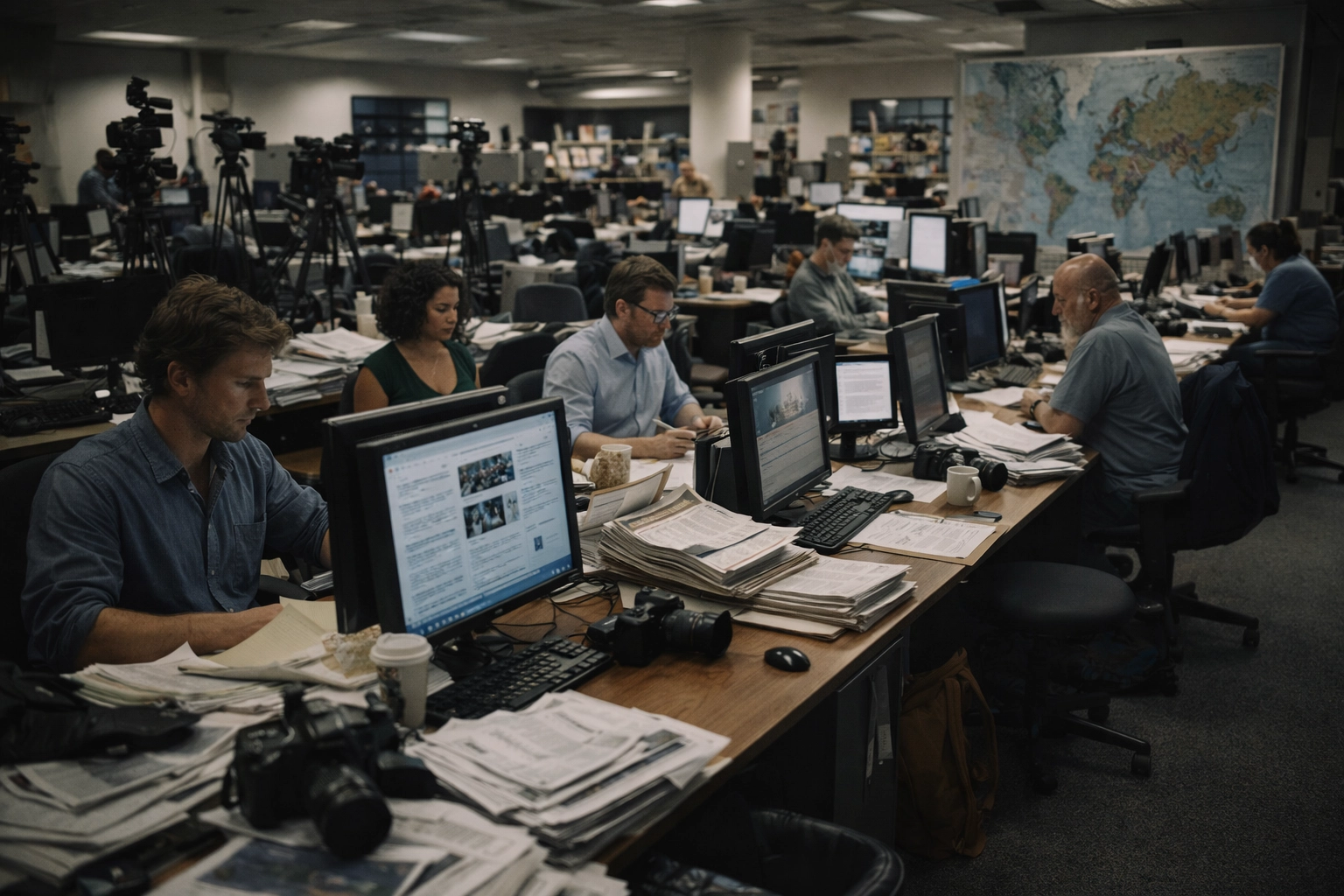
The rise of the independent professional has been accelerated by the integration of advanced generative AI tools, which have allowed individual freelancers to compete with mid-sized agencies. In the current market, a single creative or technical specialist can leverage AI to handle research, administrative tasks, and initial drafting, effectively tripling their output capacity. This technological leap has created a lucrative "top tier" of gig workers who command rates significantly higher than their salaried counterparts. These individuals often cite the ability to set their own prices and choose their clients as the primary driver of their financial success.
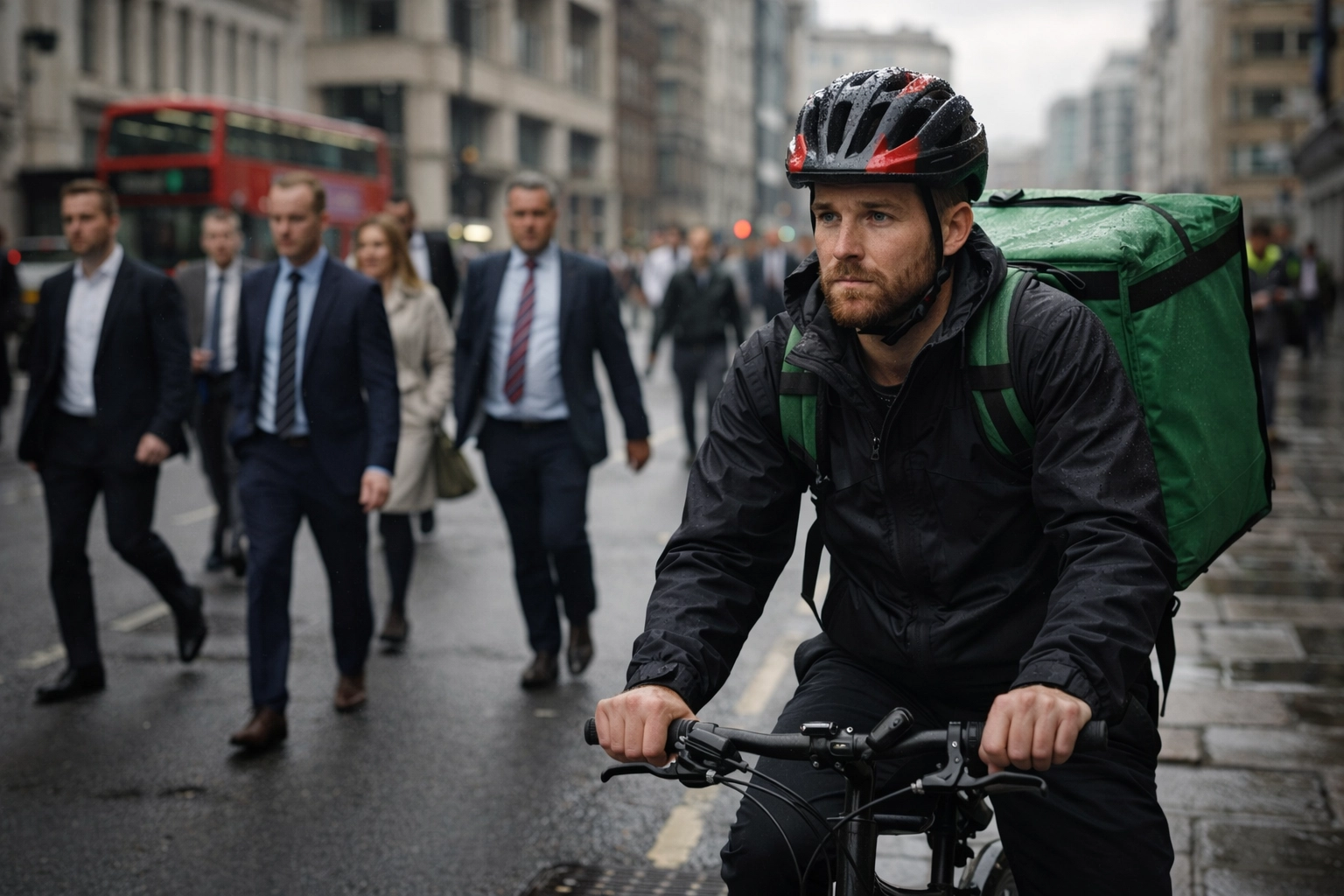
However, the barrier to entry for this elite tier remains high. Success in the gig economy is increasingly dependent on "marketable prestige": a combination of verifiable ratings, a robust digital portfolio, and the ability to navigate complex platform algorithms. For those without these advantages, the digital marketplace can feel like a race to the bottom. In sectors such as delivery, data entry, and basic administrative support, pay rates have remained stagnant or have effectively decreased when adjusted for inflation and the rising cost of living.
Furthermore, the "freedom" of the gig economy is often moderated by the platforms themselves. While a freelancer may technically be independent, their income is frequently dictated by opaque algorithms that determine visibility and job allocation. A sudden change in a platform’s Terms of Service or a minor dip in a user rating can result in a total loss of visibility, effectively "firing" the worker without notice or recourse. This dynamic creates a power imbalance where the worker carries all the operational risk while the platform retains control over the revenue stream.
Financial Volatility and the Benefit Gap
The most significant challenge facing the modern gig worker is not the hourly rate, but the volatility of income and the complete absence of a social safety net. Traditional employment provides a predictable floor for monthly earnings, whereas freelance pay operates on a "feast or famine" cycle. Research indicates that the average gig worker experiences a 30% month-over-month fluctuation in their income. This volatility makes long-term financial planning: such as securing a mortgage, saving for a child’s education, or building an emergency fund: extremely difficult for all but the highest earners.
When calculating the "truth" about freelance pay, one must look at net income rather than gross earnings. Independent contractors are responsible for their own tax contributions, which often include both the employer and employee portions of social security or national insurance. Additionally, the lack of paid time off means that every hour not spent working is an hour of lost revenue. Sick days, parental leave, and holidays are entirely self-funded, a reality that often leads gig workers to work through illness or burnout to avoid financial shortfall.
The "benefit gap" extends into retirement security. Without the auto-enrollment schemes and employer matching contributions typical of traditional roles, gig workers are falling behind in pension savings. Projections for 2030 suggest that a significant portion of the gig-reliant workforce will reach retirement age with insufficient assets, potentially placing a massive burden on state welfare systems. This systemic under-saving is a hidden cost of the gig economy that is rarely discussed in the context of "competitive" freelance rates.
The Legislative Battle for Worker Rights
Governments around the world are currently grappling with how to regulate this decentralized workforce without stifling the innovation that the gig economy provides. In the UK and Europe, recent court rulings have begun to challenge the "independent contractor" status of workers who are heavily controlled by a single platform. These landmark cases have sought to establish a "third category" of worker: one who enjoys the flexibility of gig work but is entitled to a minimum wage, holiday pay, and protection against unfair dismissal.
The push for regulation is met with significant resistance from major tech platforms, who argue that reclassifying workers would destroy the very flexibility that gig workers value. They claim that the increased costs of providing benefits would lead to higher prices for consumers and fewer opportunities for those who only want to work a few hours a week. However, labor advocates argue that "flexibility" should not be a trade-off for basic human rights and that the current model simply externalizes corporate costs onto the public and the individual.
As we look toward the end of the decade, the sustainability of the gig economy will depend on a new social contract. This may involve "portable benefits": a system where benefit contributions follow the worker from gig to gig, regardless of the platform they use. Until such a system is standardized, the truth about freelance pay remains a story of two halves: a golden era of opportunity for the highly skilled and technologically savvy, and a precarious, high-risk environment for the millions who provide the essential services that keep the modern world moving. The evolution of this economy is no longer just a business trend; it is a fundamental test of how 21st-century societies value labor.