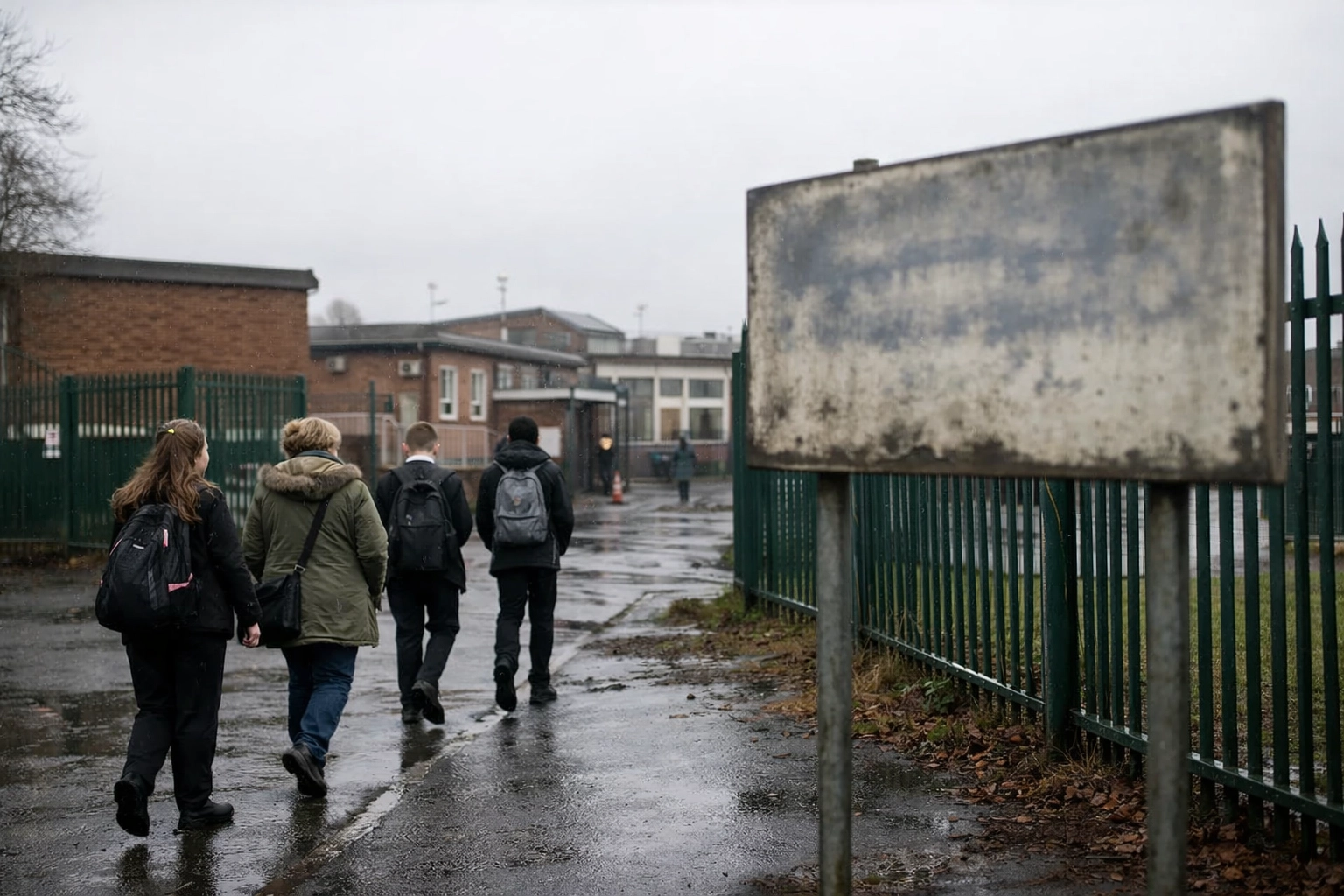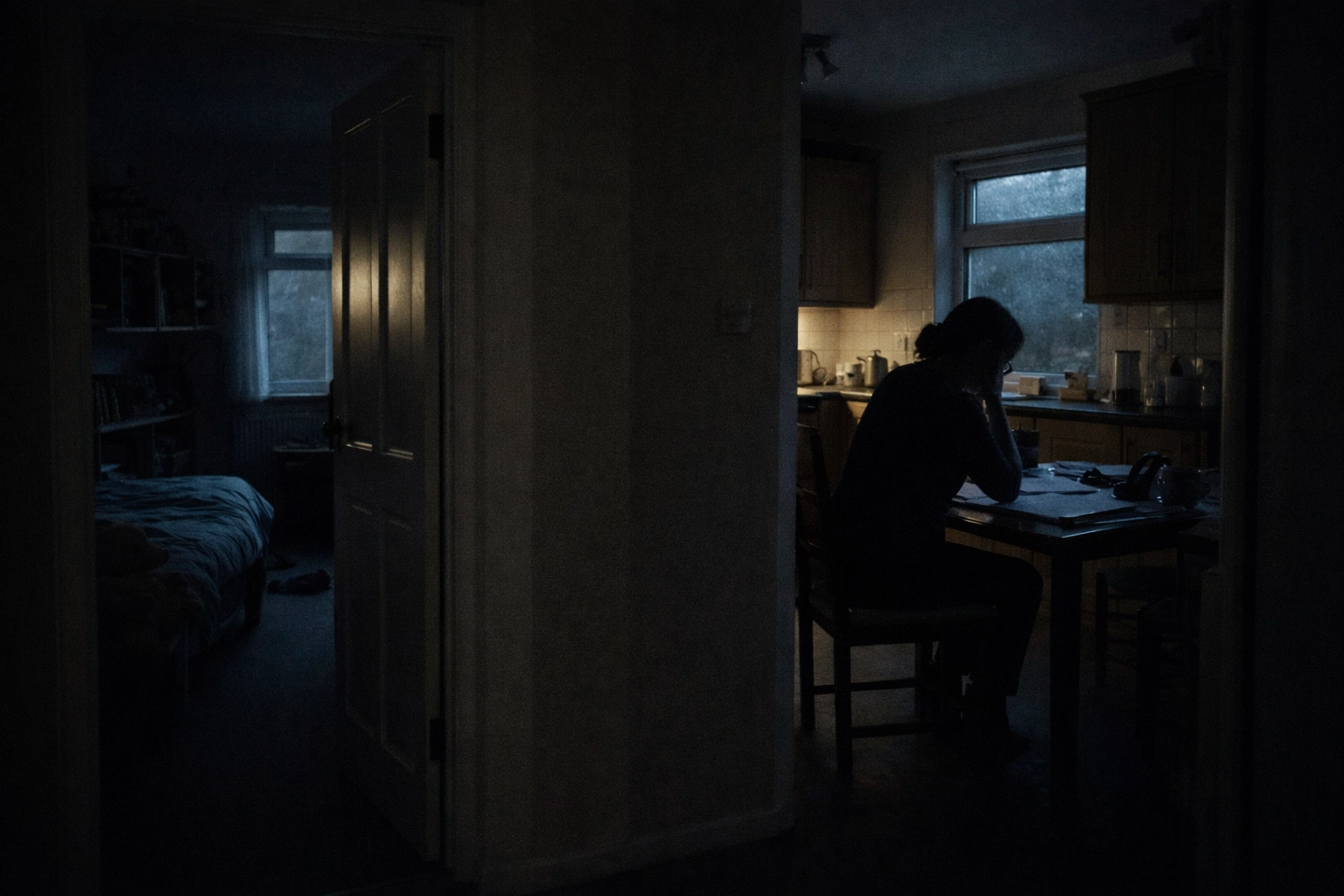
The UK government has been forced to admit that the national adoption system is failing to protect some of the country’s most vulnerable families. A major BBC investigation has uncovered a growing trend of adoption breakdowns, leaving parents isolated and children returning to the care system in record numbers.
The investigation, titled Adoption: The Blame Game, reveals a landscape of systemic neglect. It highlights how families, often praised as "heroes" at the start of their journey, are frequently abandoned when the complex psychological needs of their children become overwhelming.
For many, the dream of providing a "forever home" is turning into a cycle of crisis and institutional blame.
The rising toll of adoption breakdowns
Data obtained through Freedom of Information requests paints a stark picture of the current landscape. The number of adopted children leaving their family homes prematurely has more than doubled since the period before the pandemic.
In the last five years alone, over 1,000 adopted children have returned to local authority care. This figure represents more than just a statistic; it signifies a collapse of the safety net designed to support families that begin with hope and end in trauma.
Charities such as CoramBAAF and Adoption UK warn that these figures may only be the tip of the iceberg. Many families are currently living in "invisible crisis," holding on without support while their domestic lives deteriorate.
The surge in breakdowns is being linked to a lack of timely intervention. Experts argue that the system is reactive, only providing help once a family has reached a total breaking point. By that stage, the damage to the bond between parent and child is often irreparable.
Why trauma support is falling short
A core issue identified by the investigation is the fundamental misunderstanding of the needs of adopted children. Most children waiting for adoption in the UK have experienced significant trauma, neglect, or abuse in their early years.
While adoption is often marketed as a "fresh start," the biological and psychological effects of early-life trauma do not vanish with a change of address. These children often arrive with complex attachment disorders and sensory needs that require specialist therapeutic parenting.
When these needs manifest as challenging behavior, parents find themselves ill-equipped. Without professional guidance, the home environment can become a place of high stress and physical danger.
Instead of receiving the clinical support promised during the education and screening process, parents report being met with judgment. They are often told their parenting style is the problem, rather than the child’s underlying neurodiversity or trauma.
The government’s Admission of failure follows years of complaints regarding the Adoption and Special Guardianship Support Fund (ASGSF). This fund was established to provide families with access to essential therapies, such as play therapy and psychotherapy.
However, recent years have seen significant hurdles in accessing these funds. Budgetary constraints and administrative backlogs mean that families often wait months, or even years, for an assessment.
In many cases, the funding offered is a "one-off" rather than a long-term commitment. For a child dealing with a lifetime of developmental trauma, a six-week course of therapy is rarely sufficient.
The lack of funding extends beyond the home and into the classroom. Adopted children often struggle in mainstream school environments that are not trauma-informed. Without proper support networks, these children are frequently excluded or suspended, further isolating the family unit.
Perhaps the most damaging aspect of the crisis is the "culture of blame" cited by adoptive parents. When a family asks for help, they often find themselves under the scrutiny of social services.
Rather than being seen as partners in a child's care, many parents feel they are treated as the cause of the child’s distress. The investigation heard from multiple families who were threatened with "child protection" investigations when they reached out for respite care.
This fear of being labeled an "unfit parent" prevents many from seeking help early. By the time the situation is public, the family has often already fractured.
The psychological impact on the parents is profound. Many report symptoms of secondary traumatic stress, exhaustion, and chronic depression. They are left to navigate a labyrinthine bureaucracy while managing high-needs children, often without the support of extended family who may not understand the complexities of adoption.
Reform calls as costs rise for families and the state
The breakdown of an adoption is not only a personal tragedy but an economic burden on the state. When an adoption fails, the child returns to the foster care system or a residential home.
The cost of residential care for one child can exceed £250,000 per year. In contrast, the cost of providing comprehensive therapeutic support to an adoptive family is a fraction of that amount.
Critics argue that the government’s failure to invest in "post-adoption support" is a case of being "penny wise and pound foolish." By failing to stabilize these homes, the state is effectively creating a pipeline back into expensive, and often less effective, institutional care.
This issue has become a key point of interest for independent news outlets focusing on social policy. The data suggests that the "saving" found in cutting support services is a false economy that creates long-term social instability.
In light of the BBC’s findings, adoption advocates are calling for a complete overhaul of how the UK supports its families. The demands are clear and focused on systemic change:
- Mandatory Trauma-Informed Training: All professionals interacting with adoptive families: including teachers, GPs, and social workers: must be trained to understand the impact of early childhood trauma.
- Ring-fenced Therapeutic Funding: The ASGSF must be protected and expanded to ensure that therapy is a right, not a lottery.
- Proactive Support Pathways: Support should be "baked in" to the adoption order, with regular check-ins from specialist teams regardless of whether a crisis is occurring.
- Legal Protection for Families: Parents should be able to seek respite care or temporary support without the fear of losing their parental rights or facing "blame-based" investigations.
The government has acknowledged that more needs to be done. A spokesperson stated that they are "committed to improving the consistency of support" across local authorities, but for many families, these words come too late.
Behind the policy debates are real-life cases cycles often overlook. There are parents who have had to call the police on their own children because they had no other way to ensure safety. There are children who have been moved through four or five different homes, each transition adding a new layer of trauma to their lives.
The "heartbreak" mentioned in the title of this crisis refers to the loss of the family unit. When an adoption breaks down, the child experiences a second "rejection," which can have devastating effects on their ability to trust or form relationships in adulthood.
For the parents, the "isolation" is often permanent. They lose their child, their community’s understanding, and often their own sense of identity.
The UK adoption system is currently at a crossroads. While adoption remains a vital path for children who cannot live with their birth families, the current model of "place and forget" is clearly unsustainable.
The government’s admission is a first step, but without significant financial investment and a shift in the "blame culture," the crisis is likely to deepen. As the 20:00 UK trending news continues to monitor the fallout of this investigation, the focus remains on whether policy changes will be swift enough to save the thousands of families currently on the brink.
The stories emerging from this investigation serve as a reminder that a "forever home" requires more than just love; it requires a robust, well-funded, and compassionate infrastructure. Until that is built, the cycle of isolation and heartbreak will continue to claim the UK’s most vulnerable citizens.
For further updates on social issues and national policy, follow the latest developments as reforms and funding decisions emerge.