









Keir Starmer’s Labour government has reportedly commissioned specialist digital support to build a network of micro-influencers to communicate cost-of-living measures.
The approach reflects a wider shift in UK politics towards direct-to-audience messaging on social platforms.
The rise of the micro-influencer strategy
Documents seen by political journalists indicate the focus is on creators with roughly 5,000 to 50,000 followers, typically described as micro-influencers.
They are often used in marketing because their audiences are smaller but more engaged.
Supporters of the idea say policy announcements can land more effectively when explained by trusted niche creators, including personal finance and local community accounts.
Critics argue it risks blurring the line between public information and political promotion.
Targeting the cost-of-living narrative
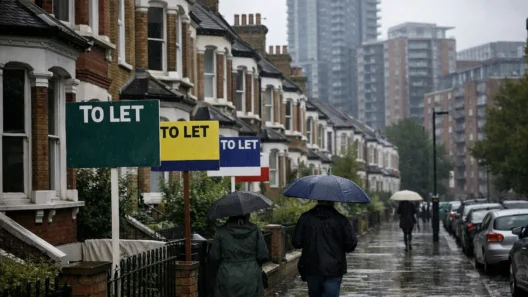
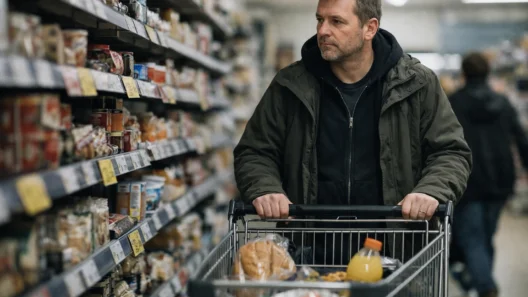
The government is understood to want content that shows how policies translate into day-to-day impact, including welfare changes, housing rules and local spending announcements.
Officials have faced sustained pressure to demonstrate visible progress on household costs.
The agency involved is reported to be vetting participants for brand alignment and consistency with central messaging.
The aim is to replace one-way broadcast communications with a more conversational format designed for short-form video.
Risks, scrutiny and what comes next
Any paid or coordinated influencer activity would face scrutiny under Advertising Standards Authority rules on disclosure, with political content increasingly monitored across platforms.
Opponents have also questioned whether public money should be used for communications work rather than frontline delivery.
Supporters say the state still needs to reach audiences that no longer follow Westminster coverage on TV, radio or print.
The next test will be transparency, including whether sponsored content is clearly labelled and whether claims are backed by publishable data.
As 2026 continues, other parties are expected to watch closely, with the model likely to spread if it proves effective.