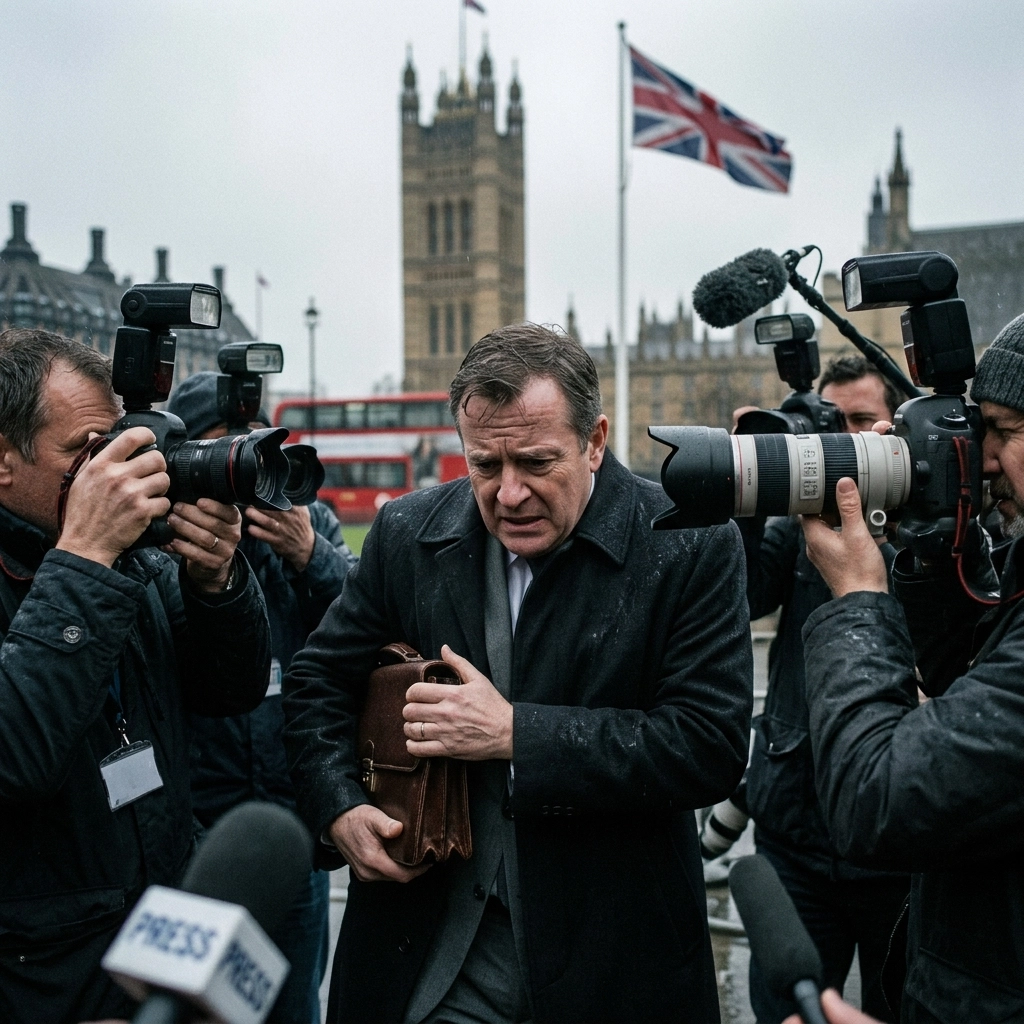
It has been a difficult few months for the reputation of British politics. Just as the public was starting to settle into a new political era, the headlines were suddenly dominated by stories of designer clothes, luxury spectacles, and high-priced tickets to see Taylor Swift and Arsenal. For many, these "freebies" felt like a repeat of the same old story: a political elite living a life of luxury while the rest of the country navigates a persistent cost-of-living crisis.
The core of the issue isn't just about whether a politician should accept a ticket to a football match. It is about the perception of fairness, the reality of influence, and the transparency of our democratic institutions. When we look at the data, the scale of these gifts is quite staggering. Some high-profile figures have accepted tens of thousands of pounds worth of hospitality and gifts over the last few years. While much of this was declared legally, the moral question remains: why is this happening, and what does it mean for the person on the street?
In a country where many are struggling to heat their homes or put food on the table, the sight of politicians enjoying VIP treatment at stadiums and arenas creates a jarring contrast. It is not just about the monetary value of the gifts; it is about the optics of a governing class that seems increasingly removed from the daily struggles of the electorate. This sense of disconnect is exactly why these stories resonate so deeply with the public.
The growing gap between Westminster and the public
The psychological impact of the freebie scandal should not be underestimated. When politicians accept gifts from wealthy donors while also making tough decisions about public spending, it can feel like "one rule for them and another for us". We have seen recent debates over the winter fuel payment and various welfare cuts, which makes the acceptance of luxury items even harder for the public to accept. This is where the real damage is done to the social contract and to public trust in UK politics.
Public trust is a fragile thing. Once it is broken, it is incredibly difficult to rebuild. We saw this back in 2009 with the expenses scandal, where the revelation that MPs were using taxpayer money for everything from duck houses to moat cleaning caused a massive drop in confidence in the parliamentary system. The current controversy over freebies feels like a cousin to that era. Even if the gifts are "within the rules," the public often perceives the rules themselves as the problem.
If a politician is seen to be benefitting from the generosity of private individuals or corporations, the immediate question is: what is being given in return? It might not be a direct quid pro quo, but the concept of "soft power" and access is very real. A donor who provides thousands of pounds worth of clothing or event tickets is likely to have much easier access to the corridors of power than a regular constituent. This disparity is at the heart of the frustration felt by many voters across the UK.
Transparency and the search for untold stories
The reason we know about these gifts at all is due to the register of interests. However, simply declaring a gift doesn't necessarily solve the problem of influence. There are many untold stories regarding how these connections are formed and how they might subtly shape the political landscape. While the legal requirement to declare gifts is a vital part of our democracy, it often only gives us a glimpse into a much larger culture of networking and patronage that exists behind closed doors.
Investigating these patterns is a key part of maintaining a healthy democracy. Without independent news UK platforms looking into these declarations, many of these details would simply gather dust in a parliamentary database. It takes a concerted effort to connect the dots between who is giving, who is receiving, and how those relationships might align with policy decisions or government priorities. For example, when gifts increase in line with a party's electoral prospects, it suggests that donors are "investing" in future influence rather than simply being generous. Stories like this matter because political transparency and accountability are central to trust in Westminster.
The role of the donor is often overlooked in the rush to criticise the MP. Who are these individuals, and why are they so keen to provide luxury experiences to our elected officials? Often, these are people with significant business interests who may stand to benefit from a favourable regulatory environment. By looking closer at these untold stories, we can begin to see the complex web of relationships that define modern British politics. It isn't always about corruption in the traditional sense; it's about the "culture of the perk" that becomes normalised within the Westminster bubble.
Rebuilding trust through accountability and reform
So, where do we go from here? The backlash to the recent freebie scandal has already forced some changes. We have seen senior politicians offering to pay back the value of certain gifts and promising to tighten the rules regarding what can be accepted in the future. This is a start, but many argue it doesn't go far enough. The issue isn't just about individual MPs making better choices; it's about a system that allows this level of private influence to become an everyday part of political life.
One of the suggested reforms is a complete ban on certain types of gifts, such as clothing or high-value entertainment tickets. The argument is that if a politician wants to see a concert or buy a new suit, they should do so with their own money, just like anyone else. This would remove the appearance of conflict of interest and help to close the perceived gap between the elite and the electorate. Additionally, there are calls for more rigorous oversight by independent bodies, rather than relying on the "good sense" of the politicians themselves.
Ultimately, the health of our democracy depends on the belief that our representatives are acting in the best interests of the public, not their donors. The work of independent news UK outlets is essential in this regard, as they provide the scrutiny necessary to keep the system honest. By highlighting the untold stories of influence and excess, we can move towards a more transparent and fair political system. It is only through constant vigilance and a demand for higher standards that we can hope to restore the trust that has been so badly shaken.
The freebie scandal serves as a reminder that transparency is not a one-time event but a continuous process. As we move forward, the focus must remain on ensuring that the voices of ordinary citizens are not drowned out by those who can afford to provide the "perks of the job." The conversation around these issues is far from over, and it will continue to shape the political discourse for years to come.
The scrutiny on these events has shown that the public is no longer willing to look the other way when it comes to the lifestyle of those in power. Whether it is a pair of designer glasses or a box at a football stadium, every gift carries a weight of expectation and perception. By addressing these issues head-on, the political class has an opportunity to prove that they are listening and that they are willing to put the integrity of the office above personal gain. Only time will tell if the lessons of this scandal will lead to lasting cultural change in the heart of government.