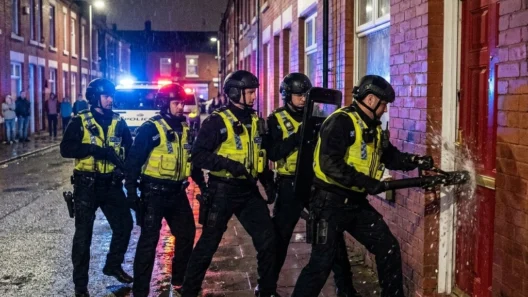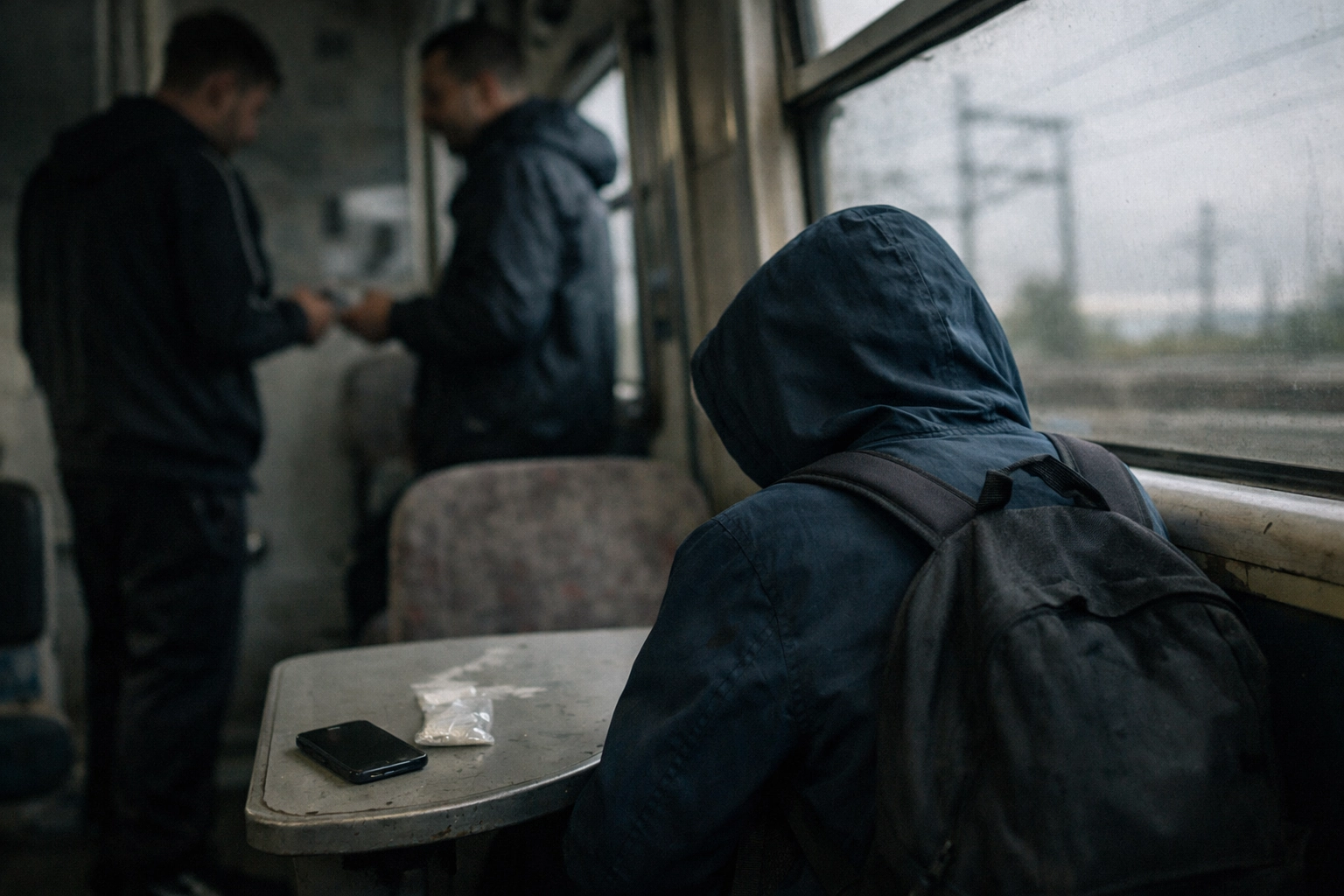
Behind the quiet suburban streets and the sleepy rural towns of Britain, a dark network is operating in plain sight. It’s a system built on the exploitation of the young, the vulnerable, and the overlooked. We often hear the term "county lines" in news bulletins, usually associated with drug seizures or police raids. But the real story: the one that really matters: is about the children caught in the middle. These are the untold stories of the kids who have become the invisible fuel for a multi-million-pound criminal industry.
As an independent news uk outlet, we believe it’s vital to look past the statistics and understand the human cost of these operations. County lines isn't just a police matter; it is a safeguarding crisis that is affecting thousands of families across the country. The mechanics of this trade rely on a specific type of cruelty: the grooming and exploitation of children who are often seen by society as troublemakers rather than victims.
The reality of county lines is that it doesn't discriminate, but it does target. While any child can be a victim, gangs have become increasingly sophisticated in who they recruit and how they keep them under their thumb. The "invisible victims" aren't just those we don't see; they are the ones who are hiding in plain sight, often performing roles that make them less likely to be stopped by the authorities.
The Grooming Game and the Rise of Invisible Mules
The process of bringing a child into a county lines network is rarely violent at the start. In fact, it often feels like the opposite. Gang members are experts in identifying what a young person is missing in their life. For some, it might be a lack of money or the latest clothes. For others, it’s a sense of belonging or protection. The recruitment begins with grooming: a slow process where the "older brother" figure offers gifts, food and a listening ear.
This initial phase is designed to build trust. A teenager might be offered £50 just to keep a bag in their room for a night, or given a new pair of expensive trainers "just because". To a child living in poverty or feeling isolated, this can feel like a lucky break. It creates a sense of loyalty and the feeling that they owe their recruiter something in return. That is exactly where the trap is set.
There has also been a clear shift in who criminal networks target in county lines exploitation. In the past, the stereotype of a "runner" was a young boy in a tracksuit. However, gangs have realised that girls are often less likely to be stopped and searched. These young women have become known in the underworld as "Invisible Mules". They are strategically used to transport drugs and cash because they do not fit the typical offender profile. They can travel on trains or buses with backpacks, looking like any other student, while carrying thousands of pounds worth of Class A substances. Because society often overlooks girls in these situations, they can remain undetected for longer and fall deeper into a cycle of abuse that is extremely difficult to break.
Beyond the Surface: Debt Bondage and Fear
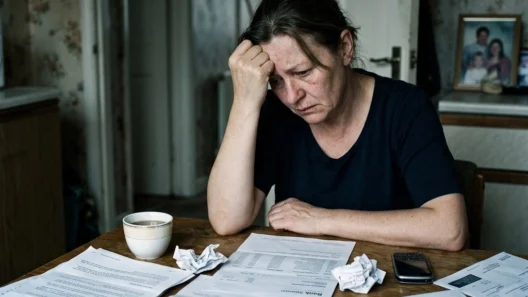
Once a child is involved, the friendly façade of the gang disappears almost instantly. The transition from "protector" to "perpetrator" is swift and brutal. One of the most common methods used to keep children trapped in county lines is debt bondage. This is a calculated tactic where the gang stages a robbery or claims that a shipment of drugs has been "lost" while in the child's care. Suddenly, that child is told they owe the gang thousands of pounds.
This debt is impossible to pay off. The child is forced to work even harder, often sent to "trap houses" in distant towns where they are kept in poor conditions for days or weeks at a time. They are isolated from their families, their phones are taken away and they are constantly monitored. The fear of what will happen to them, or to their family, if they try to leave is often enough to keep them compliant.
For girls, the exploitation can carry an even darker layer. The grooming may involve fake romantic relationships or coercive control that quickly turns into sexual exploitation. They are not just transporting drugs; they are being subjected to physical and emotional trauma that can leave lasting harm. The gang then uses these experiences as further leverage, making the victim feel ashamed or criminalised and less likely to speak to the police or to their parents. It is a psychological prison as much as a physical one, and it is happening in communities across the UK.
Spotting the Signs in Our Communities
The tragedy of county lines is that the signs of exploitation are often dismissed as "bad behaviour". A child who starts skipping school, becomes secretive, or suddenly has expensive items they cannot account for is often seen as a problem rather than a victim of crime. We need to change how we read these untold stories and recognise that behind every "difficult" teenager there may be a story of serious coercion.
Parents, teachers and neighbours are the first line of defence. Some of the red flags are subtle. It might be the possession of multiple mobile phones, some of which are cheap "burners". It might be a change in language, the use of gang-related slang, or an unexplained increase in journeys to towns they have no connection to. Sometimes, it is as simple as a child becoming withdrawn and anxious, or showing signs of physical harm that they try to hide under baggy clothing.
As an independent news uk voice, we must highlight that the responsibility does not just lie with the police. The current system often criminalises these children, which plays right into the hands of the gangs. When a child is arrested for drug possession, they are given a criminal record, making them even more dependent on the gang for their future. We need a safeguarding-first approach, where these young people are recognised as victims of human trafficking and modern slavery. Only by breaking the stigma and understanding the depth of the grooming process can we hope to dismantle county lines and protect the children caught in its web.
The scale of county lines exploitation in the UK is a sobering reminder of the challenges facing the next generation. These children are not "gang members" in the way they are often portrayed; they are victims of a sophisticated and ruthless system of abuse. The rise of "Invisible Mules" and the use of debt bondage show that criminal networks are constantly evolving to stay ahead of the authorities.
Addressing this issue requires more than just police intervention. It demands a societal shift in how we perceive vulnerable youth and a commitment to providing the support necessary to pull them back from the edge. By sharing these untold stories and shining a light on the reality of the situation, we can begin to protect those who are most at risk and ensure that no more children become invisible victims in this dangerous trade. The path to recovery for these young people is long, but it begins with recognition and the refusal to look the other way.