The Strait of Hormuz may look like a narrow strip of water on a map, but right now it is sitting at the centre of a global economic headache. Barely 21 miles wide at its narrowest point, it has become the focus of a growing standoff between the US and Iran, and the effects reach far beyond military manoeuvres or diplomatic warnings. At NowPWR, we focus on independent news UK readers can use to make sense of the bigger picture. This is not only about warships at sea; it is also about fuel prices, food costs and the pressure building across the global market.
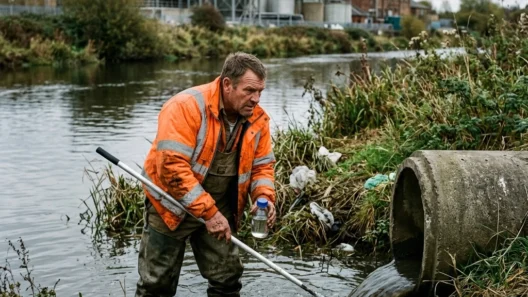
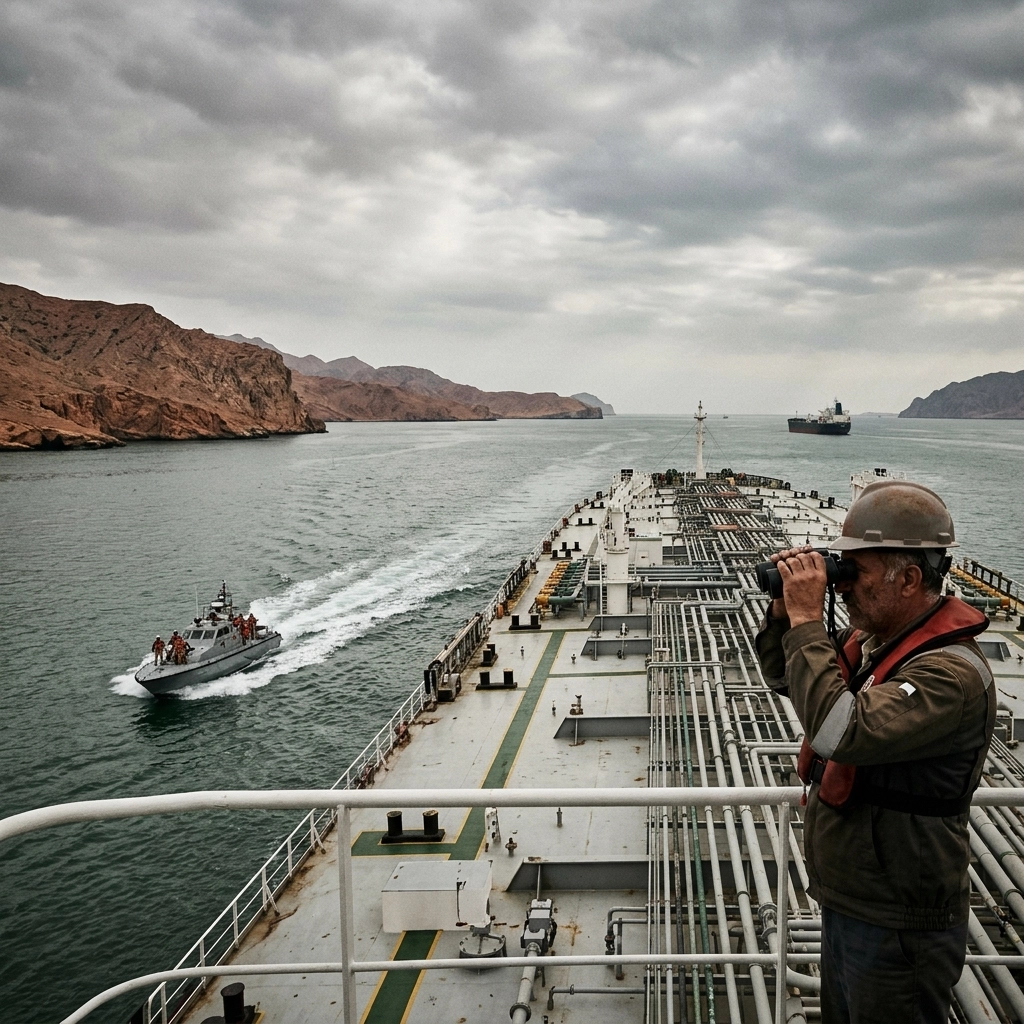
The current situation did not come out of nowhere. We are now 27 days into a high-stakes maritime blockade that follows the fallout from the "Twelve-Day War" in June 2025. While that short conflict was framed as a one-off crisis, the reality on the water suggests the deeper tensions were never settled. Today, the Strait of Hormuz is effectively a no-go area for commercial shipping, and the untold stories of sailors, traders and ordinary households caught in the middle are becoming harder to ignore.
The Energy Lifeline Under Siege
To understand why this tiny waterway matters so much, you have to look at the sheer volume of trade that flows through it. Approximately one-quarter of the world’s seaborne oil trade passes through this corridor every single day. That translates to about 20 million barrels of crude and refined products. In a world that is still heavily reliant on fossil fuels despite the green transition, a 27-day halt in this flow is the economic equivalent of a heart attack.
But it isn't just about oil. The Strait is the primary exit route for liquefied natural gas (LNG) from Qatar and the United Arab Emirates. Around 19% of global LNG trade is currently stuck behind the metaphorical velvet rope of the Iranian coastline. For countries in Asia, which receive about 80% of the oil and 83% of the LNG passing through the Strait, the situation is moving from "concerning" to "catastrophic." We are seeing energy prices spike in markets from Tokyo to Mumbai, and the ripple effects are reaching British shores.
The US involvement here is pivotal. The US Navy’s Fifth Fleet is attempting to maintain a "freedom of navigation" presence, but the reality is that insurance companies have largely stopped covering vessels attempting the passage. When a multi-million-pound tanker becomes uninsurable, it does not matter how many naval escorts are offered; the ships simply will not move. This has led to a virtual standstill in trade, creating a backlog of vessels in the Gulf of Oman that can be seen from space. It is a logistical nightmare that highlights just how fragile global supply chains really are.
The Domino Effect on Global Food Security
While most attention is fixed on oil prices and pressure in the energy sector, there is a quieter and potentially more damaging crisis building underneath it all. One of the biggest untold stories in this standoff is its impact on global agriculture. The Strait of Hormuz is not just an oil route; it is also a fertiliser route.
Roughly one-third of the global seaborne fertiliser trade passes through these waters. This includes nearly 50% of the world’s sulfur shipments, which are critical for producing the phosphate fertilisers that keep global crop yields high. For farmers in Sub-Saharan Africa and parts of South Asia, the timing could not be worse. We are entering the peak planting season, and the sudden scarcity of fertiliser means that many farmers simply cannot treat their crops.
If this standoff continues, we are not just looking at higher fuel bills; we could be looking at a global food shortage by the end of the year. The UK is already feeling the strain from rising living costs, and a major failure in fertiliser distribution would push that pressure even further, turning a regional political dispute into a wider humanitarian issue.
Furthermore, the Gulf is a major hub for aluminum production. Iranian attacks and the general proximity of the conflict have damaged smelters in Bahrain and the UAE. Considering that over 80% of Gulf aluminum is destined for export, the automotive and aerospace industries are bracing for impact. From the cans of soda in your fridge to the components in your smartphone, the cost of raw materials is being dictated by the movements of patrol boats in a 21-mile-wide channel.
The Escalation Trap and the Road Ahead
So, where do we go from here? The term "escalation trap" is being used frequently by analysts to describe the current US-Iran dynamic. This is a situation where limited military strikes, intended to show strength or deter the opponent, actually trigger wider economic shocks. These shocks, in turn, put pressure on leaders to expand military operations to "solve" the problem quickly, which only deepens the crisis. It’s a vicious cycle that is incredibly hard to break once the first shots are fired.
History gives us a sobering blueprint for what could happen. Many are drawing parallels to the 1973-74 Arab oil embargo, which saw 10% of the global oil supply removed for five months. That event tripled oil prices and sent the world into a deep recession. The difference today is that our global economy is far more interconnected. In 1973, we didn't have "just-in-time" supply chains that relied on daily shipments of specialised chemicals and minerals. Today, a 27-day blockage in 2026 feels more like a five-month blockage in 1973.
The path to de-escalation requires more than just a ceasefire; it requires a restoration of trust that the shipping lanes are safe and, crucially, insurable once again. Repairing damaged energy infrastructure in the Gulf could take months, if not years, meaning even if the standoff ended tomorrow, the economic "hangover" would last well into 2027.
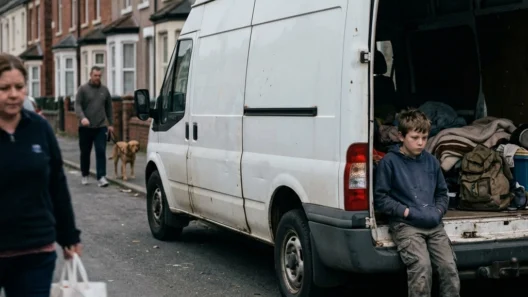
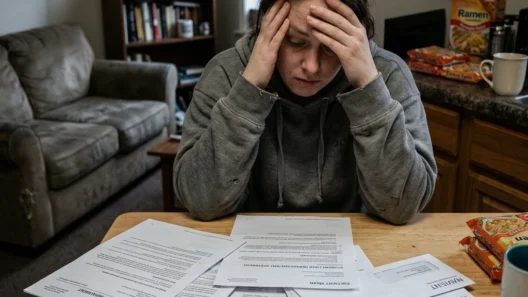
As an independent news UK outlet, we think it is vital to look past the "us versus them" rhetoric of international politics. The real cost of the Hormuz standoff is paid by people far removed from the corridors of power in Washington or Tehran. It is paid by the family in London watching their grocery bill climb, and by the farmer in Kenya facing crop losses because the fertiliser shipment never arrived.
The standoff in the Strait of Hormuz is a reminder that the systems behind energy, food and trade are far less sturdy than they appear. A few narrow chokepoints can still shake the wider world. Until a credible diplomatic solution is found, one that goes beyond military posturing and tackles the deeper tensions in the region, global trade is likely to remain on a knife-edge. These untold stories matter because they show how quickly distant conflict can become an everyday economic problem. In practical terms, this crisis is no longer only about geopolitics; it is about resilience, affordability and what happens when a key global route stops working.