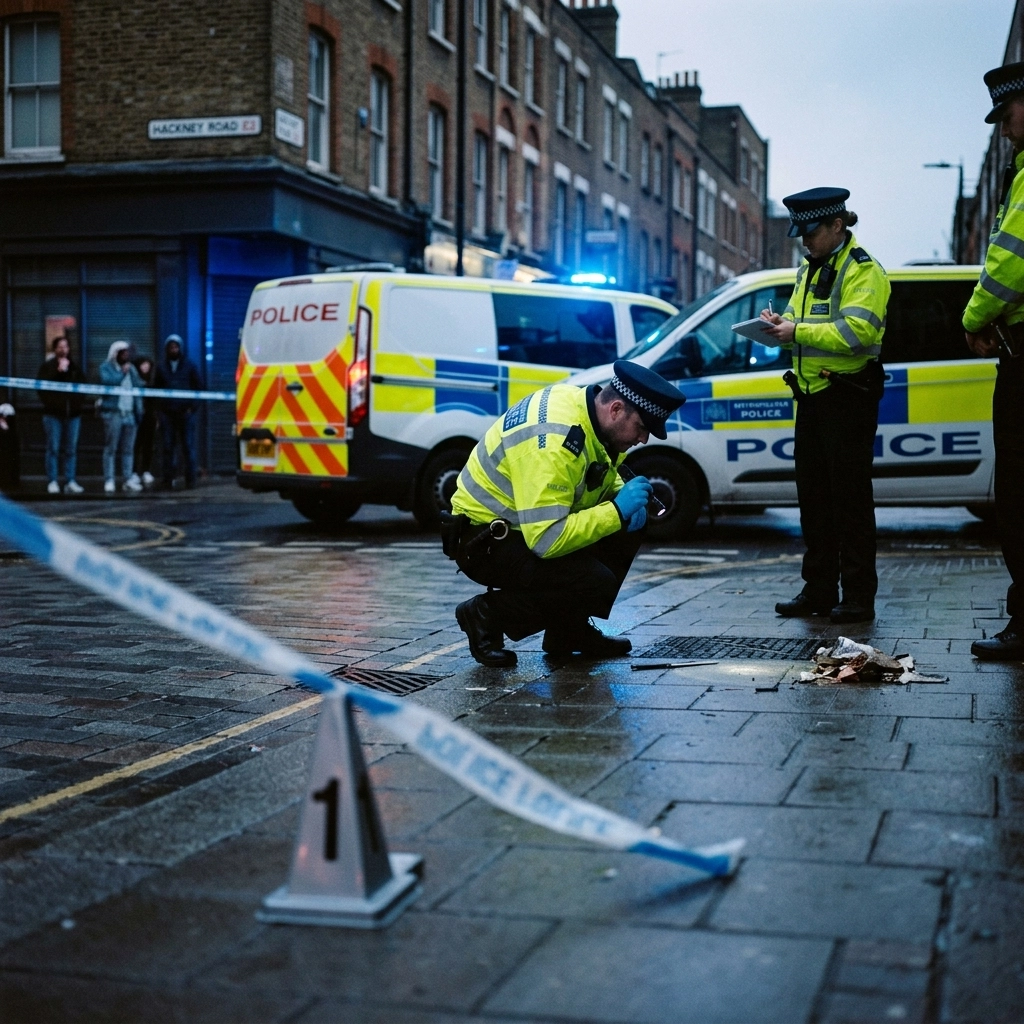
Walk through any major UK city at night and you’ll feel the weight of the headlines. It’s a heavy topic, one that usually makes its way to the front pages through tragedy. We’re talking about knife crime: specifically the rise of "Zombie" knives and the legislative dance the government has been doing to try and get them off our streets. But here’s the thing: despite the grand announcements and the heavy-duty rhetoric, there’s a massive gap between the law and the reality of the pavement. At NowPWR, we’re all about independent news uk and bringing you the untold stories that usually get lost in the noise of the mainstream cycle.
The situation with the "Zombie" knife ban is a classic example of policy meeting reality and losing. For years, these terrifying weapons: distinguished by their serrated edges and aggressive designs: have been linked to some of the most violent incidents in our communities. The government’s response has been a series of bans, the most recent being a major push to close loopholes that have existed since 2016. But if you talk to the people on the front lines, the feedback is consistent: the ban is failing.
It’s not just about the weapons themselves; it’s about how they’re defined. A knife isn’t just a tool in this context; it’s a symbol of a much deeper problem. Whether it’s the pressure of county lines operations or the simple, devastating reality of teenagers feeling they need protection, the "Zombie" knife has become the focal point of a crisis that a few lines of legislation haven’t been able to fix.
The Imagery Clause: How a Drawing Saved a Weapon
The first major hurdle in this legislative saga was the 2016 ban. On paper, it looked great. It targeted knives that had a serrated edge, a spike, and: crucially: threatening imagery or words on the handle or blade. We’re talking about things like "Slayer" or "Headsplitter" etched into the steel. It was a ban on the aesthetic of violence as much as the utility of it.
However, manufacturers and retailers are nothing if not adaptable. As soon as the law was passed, they realised that if they simply removed the scary words and the pictures of skulls, the knife itself remained legal. You could still buy a 21-inch, curved blade capable of catastrophic damage for as little as £25 online. As long as it looked "plain," it didn't meet the legal definition of a Zombie knife. This loophole allowed thousands of lethal weapons to flood the market under the guise of "machetes" or "outdoor tools."
This is why the ban has often been described as "performative." It looked like action was being taken, but in reality, it was just a rebranding exercise for the people selling these items. When you look at the untold stories of how these weapons are sourced, you find a world of online marketplaces where the legal fine print is studied more closely than safety manuals. It created a situation where a police officer could stop someone with a terrifying blade, but because it lacked a specific drawing of a zombie, their hands were tied. It’s a game of cat and mouse where the "cats" are using outdated maps.
The Sanctuary of the Home: A Police Deadlock
One of the most frustrating aspects for law enforcement hasn’t just been what’s on the street, but what’s behind closed doors. Until very recently, the law focused heavily on the possession of these weapons in public. If a police officer conducted a raid and found a stash of zombie-style knives in someone’s bedroom, they often couldn’t seize them if they didn't meet a very narrow set of criteria.
This created a "safe harbour" for dangerous weapons. Imagine a scenario where someone known to be involved in local gang activity has a collection of machetes. If they aren’t caught with them in the park or on a street corner, those weapons stay in circulation. This has been a massive sticking point for communities dealing with the fallout of street violence. It feels like a technicality is winning over common sense.
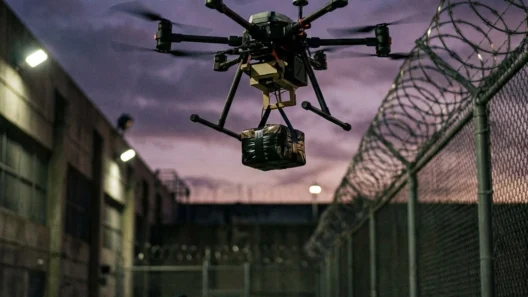
There’s also the issue of how these weapons move. We’ve seen reports of everything from prison drones to sophisticated delivery networks being used to move illicit items. When the law only looks at one specific type of "scary" knife, the market just shifts to the next best thing. This is why we see a constant cycle of new "styles" of knives appearing: whenever one gets banned, another slightly different design takes its place. The police are essentially trying to plug a sieve with their fingers. For readers following independent news uk, it's clear that the legislative focus on the "look" of the knife rather than its "lethality" has been a foundational error.
Addressing the Roots: Why Bans Alone Aren't Enough
While we can argue all day about the technicalities of blade length and serrated edges, the real reason the ban is failing is that it doesn't address why someone wants a zombie knife in the first place. You don't buy a two-foot blade to butter your toast. These are weapons of intimidation and, tragically, weapons of war in urban environments.
The surge in knife crime is often linked to a lack of opportunity and a breakdown in social safety nets. When you look at the pressure in areas like East London, you see communities under immense strain. When young people feel that the state can’t protect them, or that their future is limited, the allure of "protection" or the status provided by a weapon becomes much stronger. A ban on a specific type of knife is a "top-down" solution for a "bottom-up" problem.
Recent efforts to introduce surrender schemes: where people can hand in knives for a small financial incentive: have also seen mixed results. Critics point out that the £10 or £20 offered often doesn't even cover the cost of the bus fare to the police station for some, or that it’s a drop in the bucket compared to the street value or perceived "security" the knife provides. Youth workers have long argued that unless we invest in people, the tools of violence will always find a way back into their hands.
The government has finally moved to broaden the definition of banned knives to include "zombie-style" machetes that don't have the imagery, which is a step in the right direction. But after nearly a decade of loopholes, the damage is already visible in the statistics. The untold stories here aren't just about the knives themselves; they're about the years of legislative hesitation that allowed these weapons to become a staple of street culture.
The failure of the knife ban serves as a reminder that simple solutions to complex social problems rarely work as intended. By focusing on the aesthetics of the weapons rather than the mechanics of the market and the motivations of the users, the law has spent years playing catch-up. While the latest updates to the legislation aim to close these gaps, the reality on the streets suggests that the fix will require more than just a broader definition of a blade. It requires a commitment to addressing the socio-economic factors that make a 21-inch knife feel like a necessity to some and a business opportunity to others. Only by looking at the whole picture can we hope to see a real change in the safety of our streets.