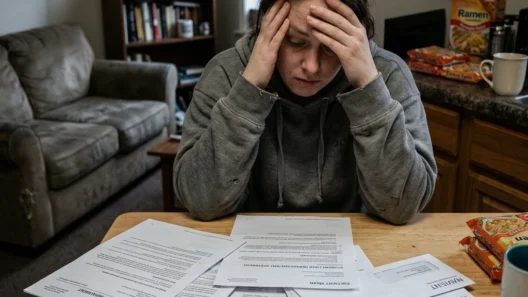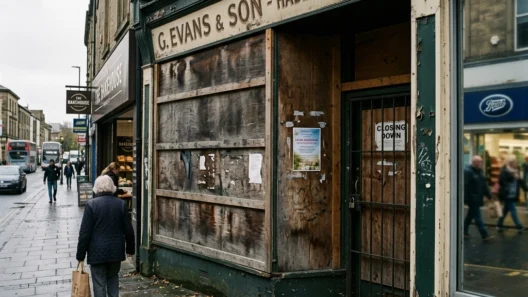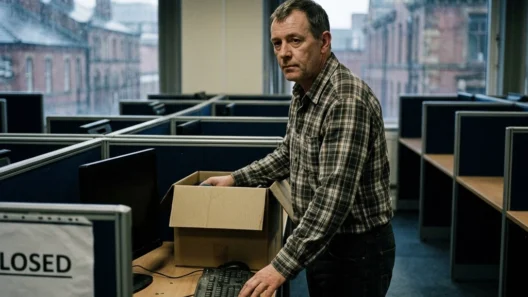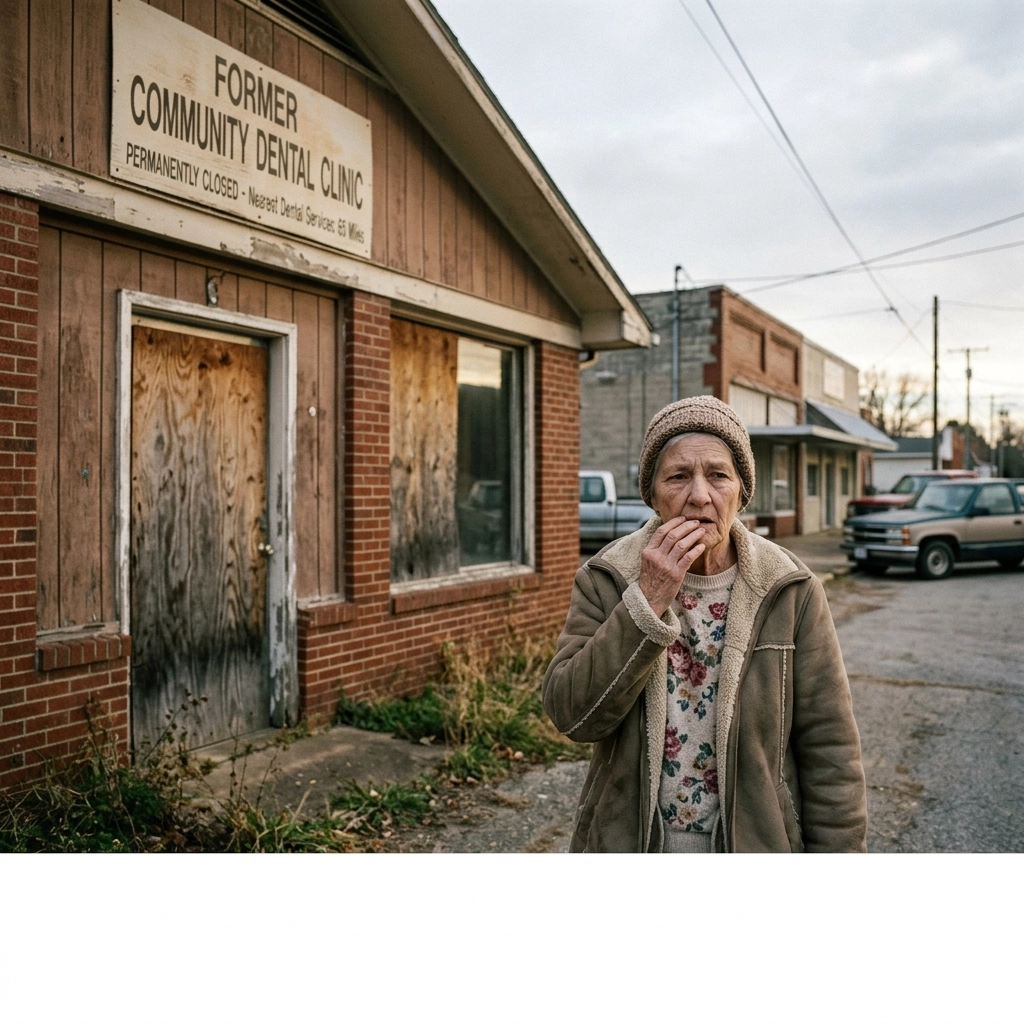
Walking down the high street of a typical rural British town in 2026 feels a bit different than it did a decade ago. The butchers are still there, the odd charity shop remains a staple, and the local pub might have a fresh coat of paint. But look closer at the professional terraces, and you’ll spot more and more frosted windows with signs that haven't changed in years. These aren't just quiet offices; they are the front line of a healthcare crunch. We are talking about dental deserts: large parts of the UK where finding an NHS dentist isn't just difficult, it’s close to impossible.
At NowPWR, we believe in bringing you independent news uk that focuses on the gaps in the system. These dental deserts represent one of the most significant untold stories of our time. While headline-grabbing political debates focus on grander schemes, the basic ability to get a tooth pulled or a cavity filled has become a luxury reserved for those with deep pockets or a very lucky postcode. It is a slow-motion crisis that has finally reached its breaking point, leaving millions of people in pain and without a clear way out.
The reality on the ground is stark. In some parts of Norfolk, Cornwall, and West Yorkshire, residents are being told that waiting lists for a simple check-up are five years long. New practices aren't opening to meet the demand, and existing ones are handing back their NHS contracts in record numbers. This isn't just an inconvenience; it’s a fundamental breakdown of the social contract that promised universal healthcare from cradle to grave: including the bits that happen inside your mouth.
The Great British Toothache
The root of the problem isn't a lack of qualified dentists. The UK has a significant number of registered dental professionals. The issue is where they work and who they are willing to treat. For years, the NHS dental contract has been described by those within the profession as "unfit for purpose." It operates on a system of Units of Dental Activity (UDAs). Under this model, a dentist gets paid the same amount by the government whether they perform one simple filling or a complex series of three or four.
For a rural practice with high overheads and a patient base that might not have seen a dentist in years, meaning they need more intensive work, this system can become a financial black hole. Dentists are effectively being asked to absorb the cost of treating NHS patients. As a result, many are making the difficult choice to go fully private or leave the profession entirely. In rural towns, where the population is more spread out and the private market isn't as lucrative as in bigger cities, the local surgery simply shuts its doors.
This creates a geographic lottery. If you live in a wealthy suburb, you might have five private clinics within walking distance. If you live in a coastal town or a remote village, you could be facing a three-hour round trip just to find a dentist that might see you in an emergency. It is one of those untold stories that says a lot about how uneven access to basic services has become. When the dental clinic goes, the town loses more than just a business; it loses a pillar of community health.
The Rise of DIY Dentistry
When the system fails, people get desperate. One of the most harrowing untold stories we’ve encountered during our investigation is the resurgence of "DIY dentistry." In the absence of professional care, people are taking matters into their own hands. We aren't talking about home whitening kits; we are talking about people using pliers to extract their own teeth or buying industrial-strength resin from hardware stores to fix broken crowns.
This sounds like something out of a Victorian novel, but it is happening in modern Britain. In 2026, sales of home dental repair kits have soared. While these kits are meant as temporary measures for lost fillings, many people are using them as a long-term fix because there is no realistic alternative. The risks are huge. Self-extraction can lead to severe infections, nerve damage, and even sepsis. Yet when someone is in agony and the nearest NHS appointment is two towns away and eighteen months in the future, desperate choices start to feel normal.
The impact on children is particularly devastating. Tooth extraction remains the number one reason for hospital admissions among young children in the UK. Many of these extractions are entirely preventable with regular check-ups and early intervention. But in a dental desert, those check-ups don't happen. By the time a child is seen by a professional, it’s often in an A&E department because the pain has become unbearable. This places even more strain on an already stretched hospital system, showing why independent news uk needs to keep paying attention to the basics as well as the headlines.
Fixing a Broken Bridge
So, what is being done to fix this? The government has announced various "recovery plans" over the last few years, offering "golden hellos" of cash incentives for dentists to move to underserved areas. While this looks good on paper, it often fails to address the structural issues. A one-off payment doesn't change the fact that the underlying contract makes NHS work financially unviable for many. Without a total overhaul of how dental care is funded and delivered, these incentives are merely sticking plasters on a gaping wound.
There are also calls for a more "hub and spoke" model, where large central clinics serve a wider area, supported by mobile dental vans that visit remote villages. While mobile units are a great temporary fix, they don't provide the continuity of care that a permanent local dentist offers. People need a dentist they know and trust, not a van that rolls into town once every six months for a few hours.
At NowPWR, we look beyond the political spin. The reality is that the dental crisis is a symptom of a wider neglect of rural and working-class communities. To truly eliminate dental deserts, we need to rethink the value placed on oral health. It shouldn't be treated as an optional extra to the NHS. It is a core part of overall physical health, linked to everything from heart disease to diabetes.
The future of dentistry in the UK depends on making the profession attractive again for those who want to serve their local communities. This means fair pay for the work actually performed, better support for rural practices, and a recognition that a healthy mouth shouldn't depend on your bank balance. Until that happens, the frosted windows on the high street will remain closed, and the silent epidemic of dental pain will continue to grow in the shadows of our forgotten towns.
The collapse of NHS dentistry is a complex issue, but the human cost is simple to understand. It is measured in sleepless nights, lost workdays, and the loss of dignity that comes with being unable to afford basic healthcare. As we continue to track these stories, it remains clear that the divide between the "haves" and the "have-nots" is no longer just about the cars we drive or the houses we live in: it's about the very smiles on our faces. Making sure every town has a dentist isn't just a healthcare goal; it's a matter of social justice.