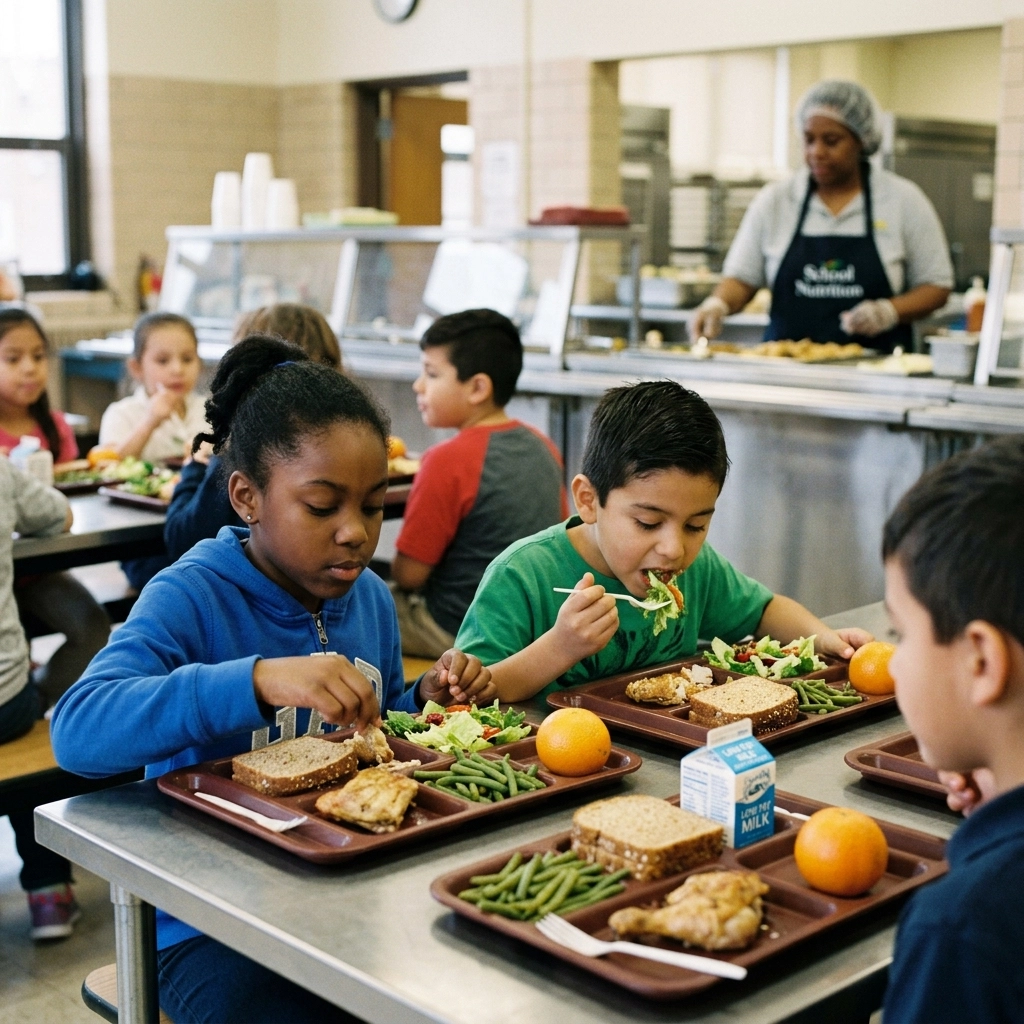
Walking into a school canteen today is a world away from the experience most of us remember. Gone are the days when a "balanced meal" meant a scoop of mashed potato alongside a beige Turkey Drummers. We are currently witnessing a massive shift in how we think about what our children eat during the seven hours they spend at school. It isn’t just about filling bellies anymore; it’s about fuel, focus, and long-term health. The latest reforms are more than just a menu change: they represent a fundamental rethink of domestic policy aimed at tackling the burgeoning health crisis among the younger generation.
For many families, school meals are the most reliable source of nutrition in a child's day. As we navigate a complicated economic landscape, the quality of that food has never been more important. We’ve seen a lot of headlines about what the government should or shouldn’t do, but when you dig into the actual reforms, there is a clear focus on cutting out the "bad stuff" while making the "good stuff" actually taste like something a kid would want to eat. At NowPWR, we believe in bringing you the facts behind these changes, acting as a source for independent news uk that looks beyond the surface level of political debate.
Taking the sugar and salt off the table
The most immediate change parents and teachers are noticing involves the strict new limits on added sugars and sodium. It sounds simple, but in the world of industrial food production, it’s a massive undertaking. For years, processed foods used in schools were packed with salt to preserve them and sugar to make them palatable. The new health reforms are putting an end to that. We’re seeing a phased reduction in sodium levels that will continue over the next few years, giving children’s palates time to adjust to less salty foods.
Sugar is the other big target. New guidelines are finally capping the amount of added sugar in school breakfasts and lunches. This is huge because many of the cereals and yoghurts that were previously considered "healthy" were actually hiding significant amounts of sweetness. By cutting these down, the aim is to reduce the "sugar crash" that happens mid-morning, which every teacher knows is the enemy of a productive classroom. These changes are part of a broader movement to ensure that school food doesn't contribute to the rising rates of childhood obesity and type 2 diabetes.
But it’s not just about what is being taken away; it’s about what is being added. The reforms encourage more whole grains, a wider variety of vegetables, and a focus on protein sources that aren't just deep-fried. There is a real push for "scratch cooking" in schools where possible. While this is a challenge for schools with limited kitchen facilities, the action needed to upgrade these spaces is becoming a central part of the conversation. When schools have the tools to cook fresh, the quality of the meal skyrockets, and the children are much more likely to engage with the food.
The untold stories of child wellness and learning
When we talk about school meal reforms, we often get bogged down in the logistics of calories and vitamins. However, there are many untold stories regarding how these changes affect a child’s mental state and their ability to learn. It is well-documented that a child who is hungry, or who has eaten a meal that causes a massive spike and subsequent drop in blood sugar, is going to struggle with concentration. In some cases, poor nutrition can even be linked to increased levels of anxiety and behavioural issues in the classroom.
By stabilising what children eat, we are essentially giving them a better chance at academic success. The health reforms recognise that nutrition is an educational tool. A child who has had a nutritious, slow-release energy breakfast is more likely to be engaged in their morning maths or English lessons. This isn't just theory; schools that have pioneered these healthier menus often report a calmer atmosphere and better attendance. These are the narratives that don’t always make it into the mainstream press, but they are vital for understanding the true impact of policy on real lives.
Furthermore, these reforms are starting to address the "stigma" of school meals. For a long time, receiving a free school meal was something kids felt embarrassed about. By elevating the quality of the food for everyone, the canteen becomes a communal space where everyone eats well, regardless of their background. This social aspect of eating is just as important as the nutritional one. It teaches children about food culture, manners, and the importance of taking a break to refuel. The focus on local sourcing also helps children connect with where their food comes from, turning a simple lunch into a lesson in sustainability and biology.
Navigating the politics of the dinner plate
Of course, no reform comes without its share of debate. The rollout of these new standards has sparked a conversation about the role of the state in what children eat. Some argue that it should be up to parents to decide, while others point out that when the state is responsible for a child's care for the majority of the day, it has a duty of care to provide healthy options. At NowPWR, we try to look at these issues through a lens of common sense. The reality is that the health of the nation’s children is a collective responsibility, and the economic benefits of a healthier population far outweigh the initial costs of implementing these reforms.
One of the biggest hurdles remains the funding and the supply chain. Transitioning from pre-packaged, highly processed meals to fresh, nutrient-dense food requires a robust infrastructure. This is where the policy meets the pavement. Many local authorities are working hard to find local suppliers who can meet the demand, which in turn supports the local economy. It’s a complex web of logistics, but the momentum is clearly moving towards a more sustainable and health-conscious model. The independent news uk landscape is filled with reports on how different regions are handling these transitions, with some areas far ahead of others.
The future of school meals looks set to involve even more transparency. There is a growing call for parents to have more insight into exactly what is on the menu and where the ingredients are sourced. This level of accountability ensures that schools don't slip back into old habits of convenience over quality. As we look forward to 2027 and beyond, the goal is for the UK to have one of the most nutritionally advanced school meal programmes in the world. It’s an ambitious target, but with the current health reforms as a foundation, it’s one that feels increasingly achievable.
The shifts we are seeing in school nutrition are a vital component of modern domestic policy. By prioritising the quality of food served to the next generation, these reforms aim to improve physical health outcomes and support better educational and mental well-being. While challenges in implementation and funding remain, the move away from processed, high-sugar options marks a significant step forward in safeguarding the future health of children across the country. Continued monitoring and local support will be essential to ensure these standards are maintained and that every child has access to the nutrition they need to thrive.