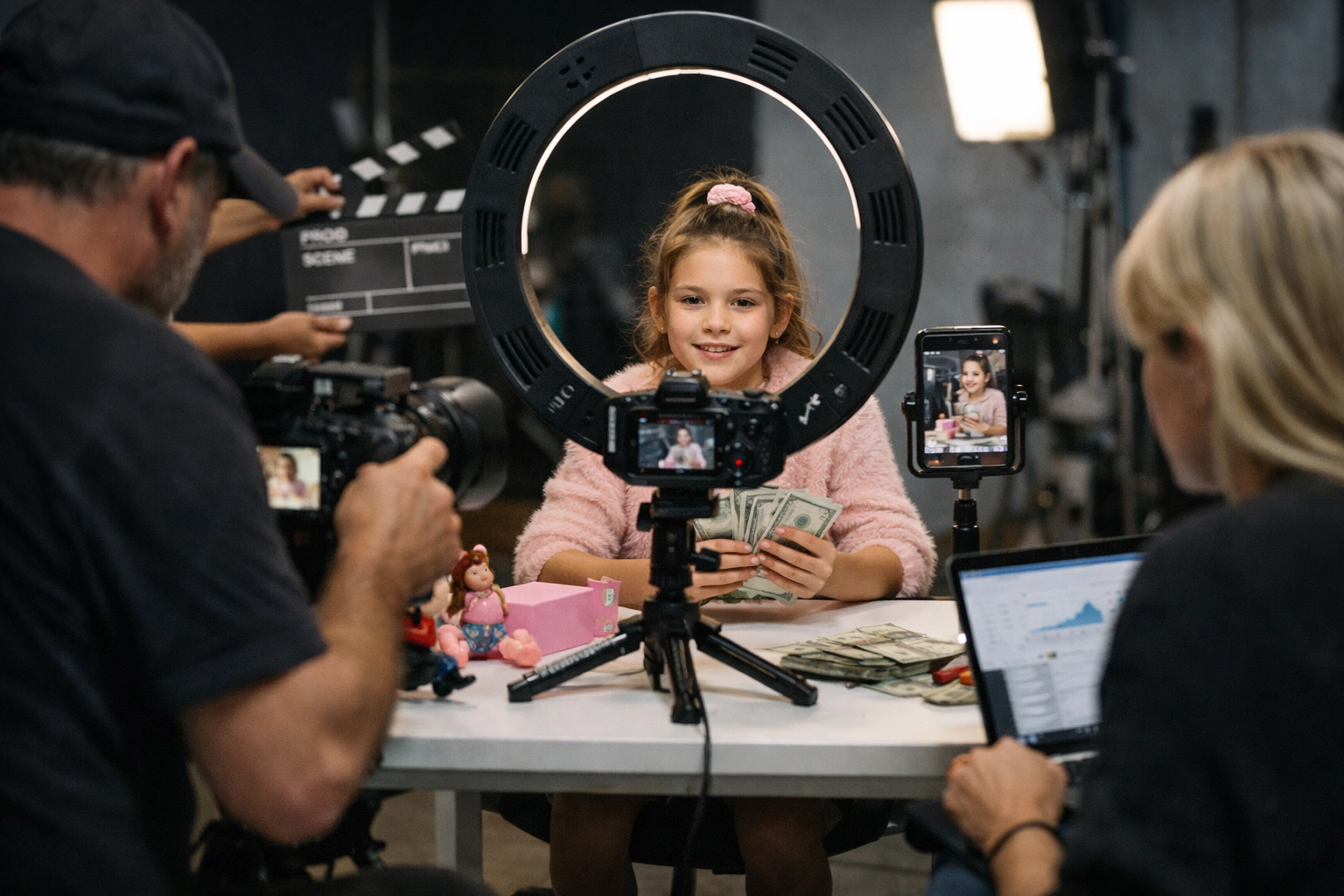
For over a decade, the digital world has operated as a bit of a "Wild West." We’ve seen the rise of the creator economy, where a smartphone and a good ring light can turn a living room into a global broadcasting studio. While this has opened up incredible opportunities for creativity and entrepreneurship, it has also created a massive legal loophole regarding the youngest participants in this industry: child influencers. From family vlogs to toy unboxing channels, children are often the stars of content that generates millions in advertising revenue, yet they frequently lack the basic legal protections afforded to child actors or traditional child performers.
As we move further into 2026, the conversation around digital labour is reaching a boiling point. There is a growing movement in the UK to ensure that the children we see on our screens every day aren't being exploited for clicks and cash. This isn't just about privacy; it’s about financial fairness, mental health, and the right to a childhood that isn't lived entirely through a viewfinder. As a source of independent news uk, it is vital to explore how these shifts in legislation are finally starting to catch up with the realities of the modern internet.
The Invisible Labour of Social Media Stars
The core of the issue lies in the definition of work. When a child stars in a West End play or a television advert, there are strict rules in place. There are limits on how many hours they can work, mandatory breaks, and requirements for a licensed chaperone to be present. Most importantly, a portion of their earnings is often protected. However, because family vlogging happens within the home, it has historically been classed as "leisure" or "family time" rather than employment. This distinction has allowed a multi-billion-pound industry to thrive without any formal oversight.
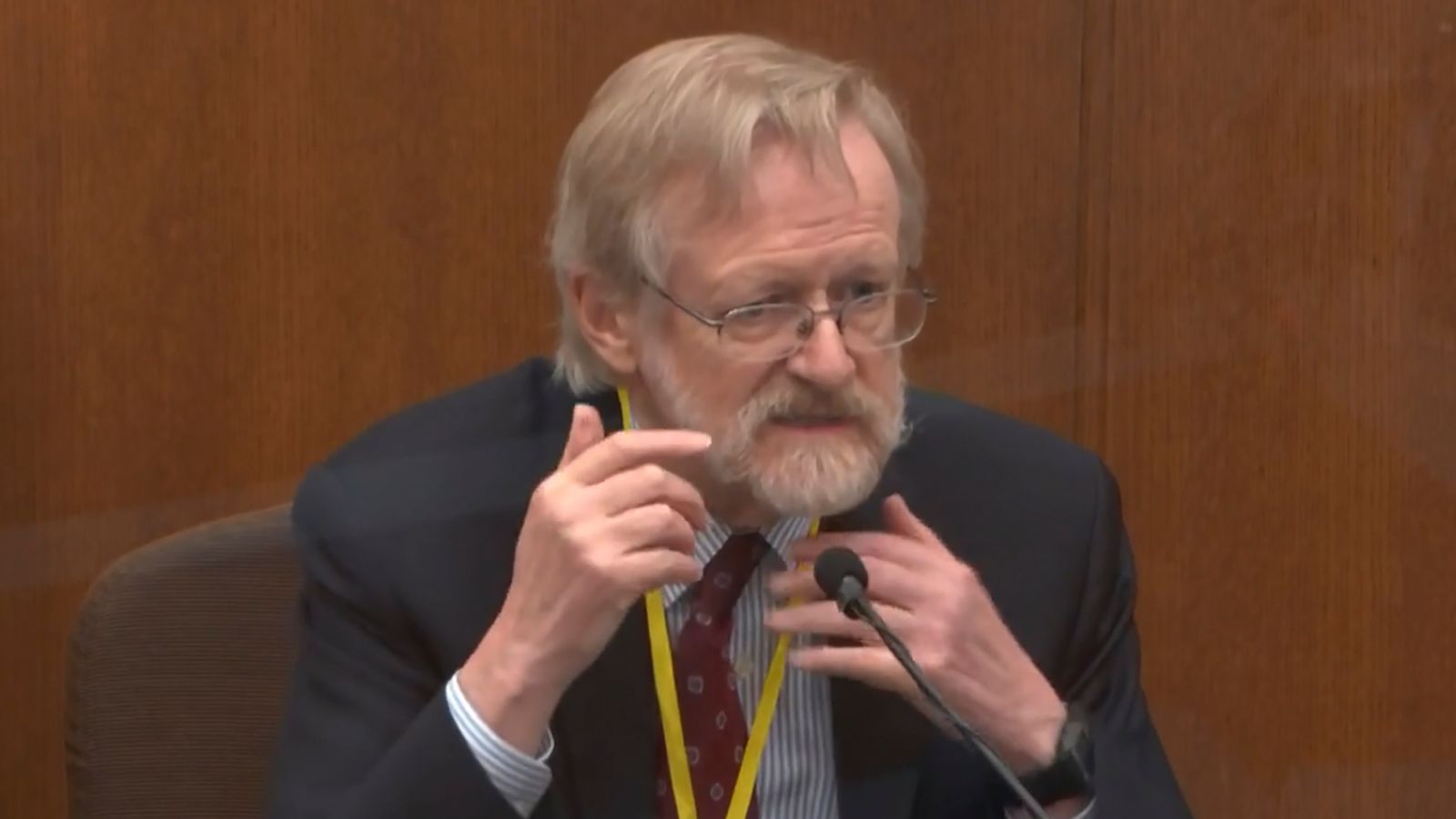
Senior MP Chi Onwurah has been at the forefront of the campaign to change this. She has argued that the current legal framework is outdated and fails to recognise the digital "work" children perform. When a child is required to perform for a camera, follow a script, or participate in staged "pranks" for a YouTube channel, they are contributing to a commercial enterprise. The push for a new child influencer law aims to bring these activities under the umbrella of existing labour laws, ensuring that "family time" doesn't become a 40-hour work week in disguise.
Many of the untold stories coming from the first generation of social media children highlight the toll this takes. Now reaching adulthood, some former child stars of the internet are speaking out about the burnout and the feeling of being "on" constantly. They describe childhoods where every milestone: from losing a tooth to a first breakup: was monetised. Without legal intervention, there is no mechanism to ensure these children are consenting to the work or that they are seeing any of the financial rewards from their own likeness and labour.
Closing the Loophole in UK Employment Law
The legislative push is focused on three main pillars: financial protection, working hours, and digital consent. Inspired by the "Coogan Law" in the United States: named after child actor Jackie Coogan, whose parents spent his entire fortune before he reached adulthood: advocates are calling for mandatory trust accounts. The proposal is simple: if a child’s image or performance generates a certain threshold of revenue, a percentage of that money must be legally set aside for the child until they turn 18.
In the UK, the discussion has turned toward updating the Children and Young Persons Act. This isn't about stopping families from sharing their lives online; it’s about professionalising a space that has been amateur for too long. By implementing strict record-keeping requirements, the government could track how much time children are spending in front of the camera. Chi Onwurah has highlighted that without these records, it is impossible to know the scale of exploitation. We often see the polished final product, but we rarely see the hours of retakes and the pressure behind the scenes.
As a platform dedicated to Content Creation, NowPWR recognises that the industry is at its best when it is sustainable and ethical. You can learn more about our commitment to these values in our editorial standards. The goal of these proposed laws is to create a safer environment for everyone involved. If the UK can lead the way in digital labour rights, it sets a global standard for how we treat the most vulnerable participants in the creator economy. It’s about ensuring that the "untold stories" of the future are ones of success and empowerment, rather than regret and financial loss.
Protecting Privacy and Financial Futures
Beyond the financial aspect, there is the deeply personal issue of digital consent. Once a video is uploaded to the internet, it is effectively there forever. A child who was featured in a viral video at age five may find that content follows them into their teenage years and adulthood, potentially affecting their education and future career prospects. Current proposals include a "right to be forgotten," which would allow individuals who were featured as children to request the removal of content once they reach a certain age.
This part of the law is particularly controversial among some content creators who argue it could destroy their archives and livelihoods. However, the counter-argument is that a child’s right to privacy and autonomy must outweigh a parent’s right to profit from their image. The push for legal protection is a push for a future where children have a say in their digital footprint. It challenges the idea that parents have total ownership over their child’s online identity.
As we continue to cover these developments at NowPWR, it is clear that the momentum is building. The public is becoming more aware of the ethical implications of child-led content, and the pressure on social media platforms to self-regulate has largely failed. Legally binding protections are the only way to ensure that the next generation of creators is protected from the start. Whether it is through mandatory trust funds or stricter limits on filming hours, the aim is to create an industry that respects the boundaries of childhood.
The transition from a lawless digital landscape to a regulated one will take time and careful negotiation. However, with figures like Chi Onwurah championing the cause, the prospect of a comprehensive child influencer law in the UK is closer than ever. This movement represents a fundamental shift in how we value digital labour and, more importantly, how we protect the rights of children in an increasingly online world.
The debate over child influencer laws highlights a critical turning point in the evolution of social media. By addressing the gaps in current employment and privacy legislation, the UK has the opportunity to lead a global movement toward a more ethical creator economy. Protecting the financial and emotional wellbeing of young creators ensures that the industry can continue to grow without sacrificing the rights of its most vulnerable members. As these legislative efforts progress, the focus remains on creating a framework that balances the innovation of content creation with the fundamental protections every child deserves.