When we talk about the dark web, it often feels like we’re discussing a plot from a futuristic thriller. We imagine shadowy figures in hoodies, scrolling through endless lines of green code in a basement somewhere. But the reality is far more grounded and, unfortunately, far more human. At NowPWR, we believe in bringing you the untold stories that mainstream outlets might shy away from. As part of our commitment to independent news uk, we’re taking a closer look at one of the most difficult but necessary topics of our time: the cycle of online child exploitation.
Understanding how these networks operate isn't just about technical jargon or onion routing. It’s about understanding a cycle that spans generations and digital borders. The dark web provides a layer of anonymity that has allowed these activities to flourish, but the roots of the problem often start long before a computer is even turned on. To tackle this, we have to look at the mechanics of the platforms and the psychology of those who use them.
The Digital Shadow World and How It Operates
The dark web isn't a single place; it’s a collection of networks and sites that aren’t indexed by traditional search engines. You can’t just Google your way into these corners of the internet. Instead, users rely on specific software like Tor to mask their IP addresses and jump through various digital hoops to stay hidden. This anonymity is the primary draw for those involved in exploitation. It creates a sense of perceived safety, where predators feel they can communicate and share content without the fear of a knock on the door from the authorities.
Within these hidden forums, the environment is surprisingly structured. It’s not just a chaotic free-for-all. Perpetrators often build complex social networks based on trust and shared interests. They use specific code words, slang, and ever-changing terminology to bypass automated filters and keep their conversations "under the radar." It’s a community built on a shared, dark hobby, where users trade images and videos as if they were digital currency. This "collecting" behaviour is a key part of the cycle. The more a user contributes, the more status they gain within the group, which encourages them to seek out or even produce increasingly extreme material.
What’s truly alarming is how these platforms act as training grounds. Experienced offenders often share "best practices" with newcomers. They discuss how to approach children on mainstream social media, how to groom them, and how to maintain compliance while avoiding detection by parents or teachers. This transfer of knowledge ensures that the tactics of exploitation are constantly evolving, staying one step ahead of traditional safeguarding measures. It’s a digital ecosystem designed to sustain itself through the constant influx of new material and new participants.
Breaking the Generational Cycle of Abuse
While the technology is a major factor, the human element is where the cycle truly begins. To understand why this problem is so persistent, we have to look at the backgrounds of those involved. A particularly sobering study recently highlighted a correlation that we cannot afford to ignore: 59% of offenders were themselves first abused as children. This statistic doesn't excuse the behaviour, but it provides a vital piece of the puzzle in understanding how this cycle perpetuates itself over decades.
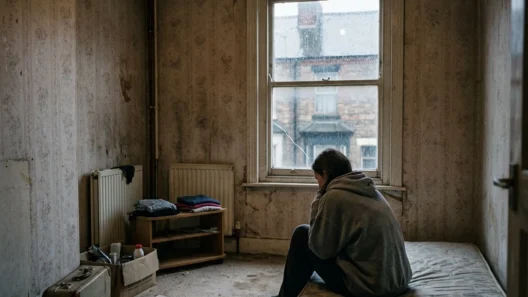
When a child experiences abuse, the psychological scars are deep and complex. Without proper intervention, support, and therapy, those scars can manifest in various ways later in life. For some, the trauma leads to a distorted view of boundaries and relationships. In the digital age, the dark web offers a space where these individuals can find others who share their distortions, normalizing what should be unthinkable. They move from being victims to being consumers, and in some cases, to being perpetrators who produce new material, thus creating a new generation of victims.
This "escalation" is a common theme in the untold stories of dark web investigations. Many offenders don't start with the most extreme content. They often begin with legal adult material and gradually move toward more niche and harmful categories as they become desensitized. The anonymity of the dark web accelerates this process. Because they aren't looking at "real" people in a physical sense: only images on a screen: it becomes easier to dehumanise the children involved. They convince themselves that the images aren't hurting anyone, ignoring the reality that every single file represents a real child and a real crime. Breaking this cycle requires a two-pronged approach: rigorous law enforcement to stop the current abuse, and massive investment in mental health and early intervention to prevent the next generation of offenders from ever taking that first step.
New Tools and the Future of Protection
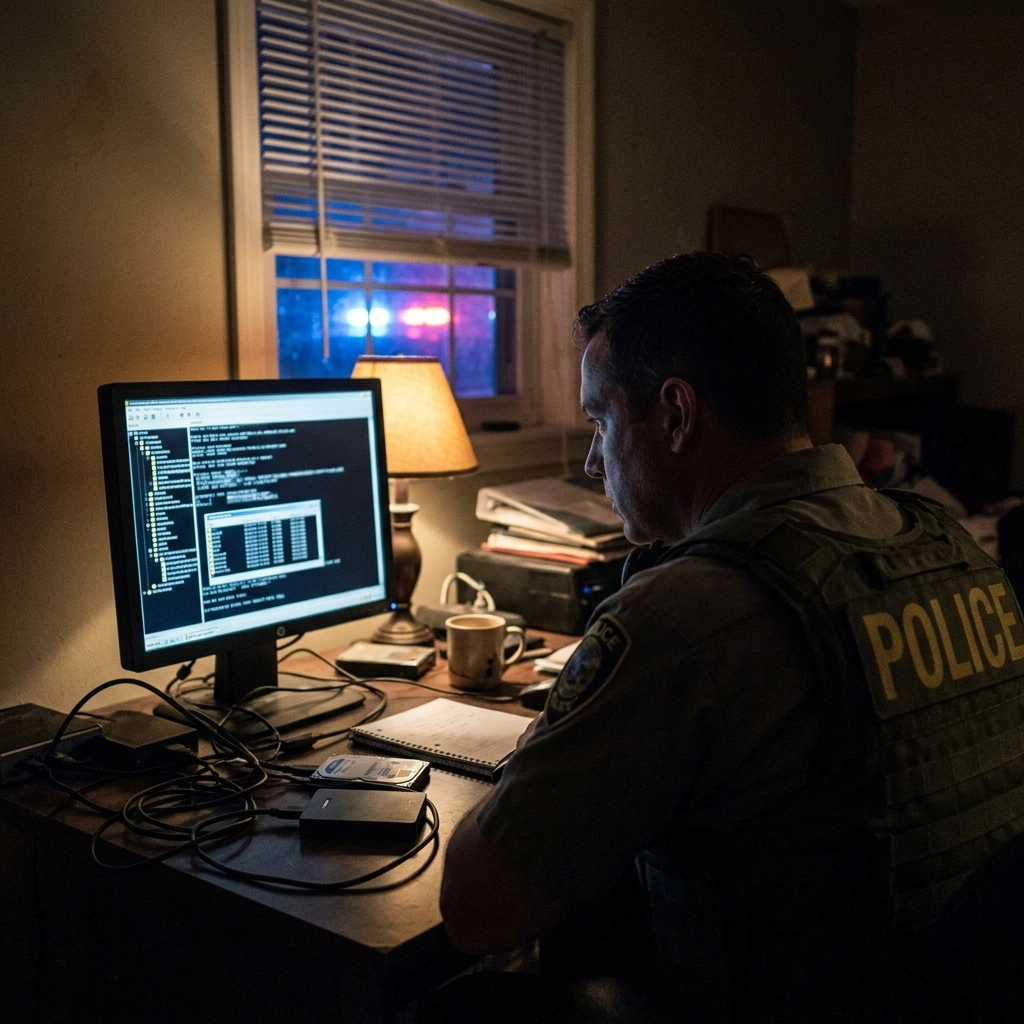
The battle against online exploitation is a constant game of cat and mouse, but there is reason to be optimistic. As technology evolves, so do the tools used to fight back. Law enforcement agencies in the UK and across the globe are becoming much more sophisticated in their approach to the dark web. They aren't just trying to shut down sites; they are infiltrating them. Undercover operations are now a standard part of the toolkit, with officers spending months or even years building the trust required to access the most private forums.
Artificial Intelligence is also playing a massive role in changing the landscape. New AI models are being trained to scan the dark web for specific patterns of text and imagery. These systems can process millions of data points in seconds: something that would take human investigators years to accomplish. By identifying code words and tracking the distribution of known files, AI can help authorities pinpoint the location of servers and, eventually, the individuals running them. Some recent AI tools have shown a remarkable ability to detect exploitative text with over 90% precision, allowing police to focus their resources on the most active and dangerous cells.
However, technology alone isn't the answer. Public awareness and "independent news uk" reporting play a crucial role in keeping the pressure on policymakers. We need to ensure that the legal frameworks keep pace with the digital reality. This means better regulations for internet service providers and more support for the "untold stories" of survivors who are working to change the system from the inside out. Education is also vital; parents and guardians need to be aware that the risks aren't just on the dark web, but on the very apps their children use every day. By understanding the cycle: from the trauma of the past to the technology of the future: we can begin to build a safer digital world for everyone.
The reality of online child exploitation is a heavy topic, but ignoring it only allows the cycle to continue in the shadows. By shining a light on these dark web secrets and understanding the psychological and technical mechanisms at play, we take the first step toward prevention. It is a complex, ongoing challenge that requires the cooperation of tech companies, law enforcement, and the public. Through continued vigilance, better mental health support, and the smart application of new technology, there is a path forward to protecting the most vulnerable members of our society. Keeping these conversations alive is essential for ensuring that the cycle of abuse is finally broken for good.