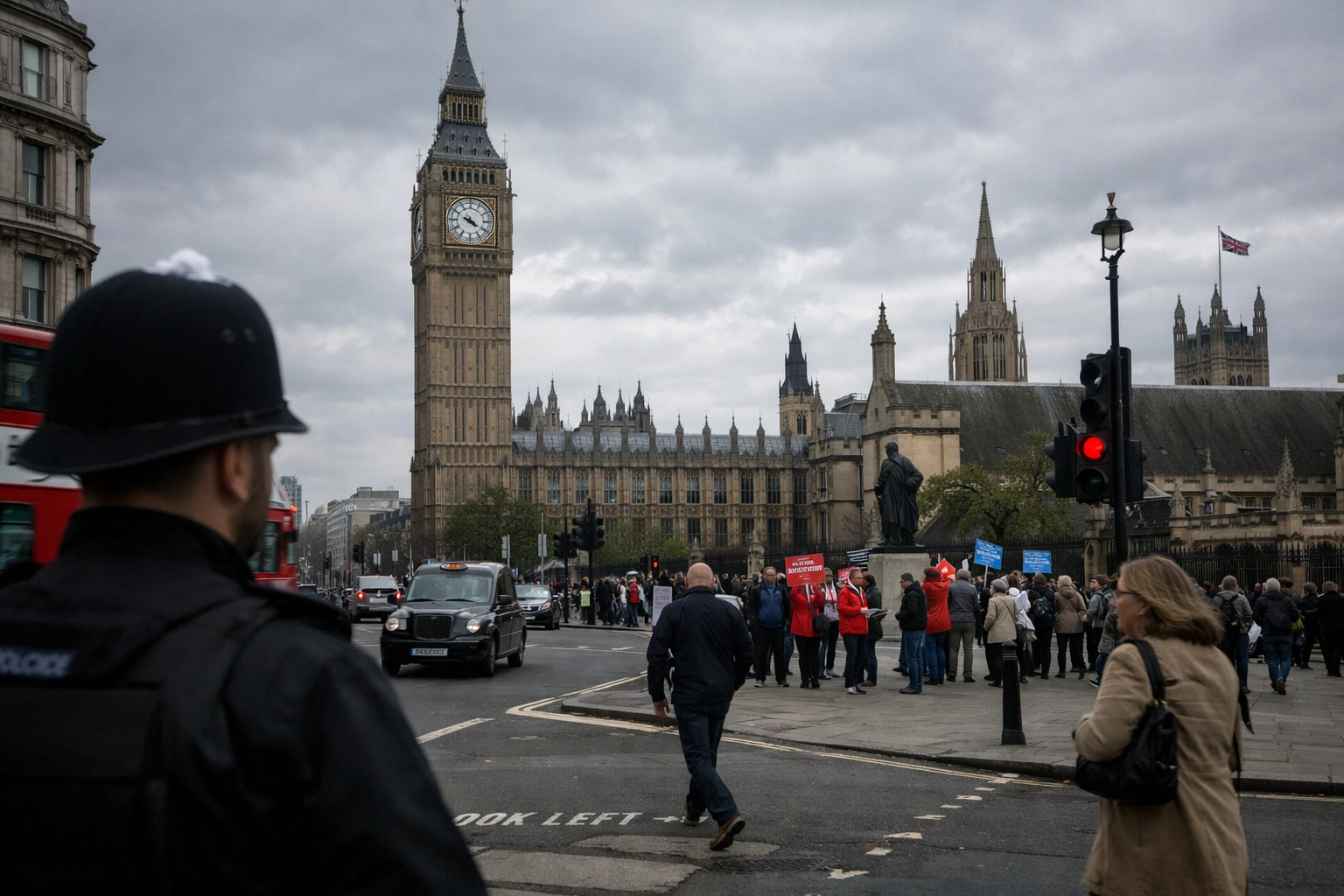
When we head to the polling stations, most of us are thinking about policies, leadership, and the future of the country.
We don't usually spend our time wondering about the price of the hotel rooms where campaign staff are sleeping or how much was spent on those glossy leaflets that end up in the recycling bin. But behind the scenes of every British election, there is a massive financial engine running, and lately, it seems some of the gears have been grinding in the dark.
The cost of democracy is not just a philosophical idea; it is a literal, pound-for-pound expense. However, recent revelations suggest that the true cost of campaigning in the UK is often higher than what is officially reported. This is not just about administrative errors or lost receipts. It is about the transparency of our political system and whether the rules designed to keep things fair are actually being followed. At NowPWR, we believe in providing independent news uk readers can trust, especially when it comes to the untold stories of how power is funded and maintained.
The Reality of Undeclared Campaign Costs
Recent investigations have pulled back the curtain on some surprising gaps in election spending returns. It turns out that the Conservative Party admitted to a significant failure in declaring tens of thousands of pounds during a previous general election cycle. We aren’t talking about a few missing pounds for tea and biscuits. The party failed to properly declare at least £38,000 in accommodation expenses to the election authorities.
When you look at the total campaign spend on hotel costs, the figure actually reached at least £60,000. This money covered more than 1,000 nights of accommodation for activists and staff who were moved around the country to swing seats. While that might sound like standard logistics, the law is very specific about how this money must be recorded. Every penny spent to influence an election must be accounted for so that the public and rival parties can see that no one is gaining an unfair advantage in a specific constituency.
The details of these omissions are quite striking. In one instance, a stay at a youth hostel costing over £1,000 was completely left off the books. These "hidden" costs are often the result of complex accounting where national spending is confused with local spending. In the UK, there are strict limits on how much a candidate can spend in their specific area. If a central party pays for a "battlebus" full of activists to descend on a town and stay in local hotels, should that count as a national expense or a local one? This grey area is where many of the most controversial untold stories of election finance are hidden.
Why Transparency Matters for UK Democracy
You might wonder why we should care about a few hotel bills in the grand scheme of national politics. The reason is that spending limits are the primary tool we have to ensure that British elections are not won simply by the party with the deepest pockets. If one side can flood a marginal seat with activists, flyers, and digital ads without declaring the true cost, the playing field becomes tilted.
The Electoral Commission, which is the watchdog for these matters, has often found itself in a difficult position. While it has the power to issue fines, many critics argue that these penalties are simply seen as a cost of doing business by wealthy political parties. For example, back in 2015, the Conservative Party was hit with a £70,000 fine, the largest of its kind at the time, for breaching spending regulations. The investigation revealed that thousands of pounds spent on battlebuses and accommodation had not been properly recorded.
Despite these fines, the pattern seems to repeat. The problem is that the legislation governing election spending was written in a different era. Today, campaign finance is a web of social media consultants, data analytics, and rapid-response teams. The Electoral Commission itself has noted that the current categories for spending do not give voters enough useful transparency. When money moves through hidden channels, it becomes nearly impossible for the average voter to know who is really funding the message they see on their phone or through their letterbox. As an independent news uk source, we see it as our job to highlight these gaps in the system that allow influence to be bought in the shadows.
The Shift Toward Digital and Micro-Targeting
It is not just hotel rooms and buses anymore. The newest frontier for hidden election costs is the digital world. During recent campaigns, including the high-profile run in Clacton by Nigel Farage’s Reform UK, allegations surfaced regarding the falsification of expenses. Accusations included undeclared spending on everything from office refurbishments to utility bills and leafleting. While these specific allegations are often fiercely contested, they point to a broader issue: it is becoming increasingly difficult to track where campaign money goes.
Digital advertising allows parties to target incredibly specific groups of people with tailored messages. Because these ads are often cheap individually but massive in aggregate, tracking the total spend across thousands of different variations is a nightmare for regulators. If a party spends money on a data firm to "optimise" their reach, is that a national research cost or a local campaigning cost? The answer can change the legality of the spend entirely.
Furthermore, the rise of third-party campaigners, organisations that are not political parties but still spend money to influence the vote, adds another layer of complexity. These groups often operate with even less oversight, creating an environment where dark money can flow into the UK political system with relative ease. The hidden cost of our elections is not just the money that goes unrecorded; it is also the erosion of public trust. When voters feel that the system is rigged in favour of those who can afford to bypass the rules, the very foundation of democracy can start to feel less secure.
The current state of UK election spending reveals a system struggling to keep up with modern campaigning techniques. From the physical costs of moving activists across the country to the less visible costs of digital targeting, the true price of winning a seat in Parliament is often obscured by bureaucratic loopholes and inadequate reporting. While fines are issued and apologies are occasionally made, the underlying issue of transparency remains unresolved.
Ensuring that every pound spent in the pursuit of power is accounted for is not just a matter of good bookkeeping; it is essential for a fair society. As future elections approach, the demand for clearer rules and tougher enforcement is likely to grow. The public deserves to know exactly how much is being spent to win their vote, and who is footing the bill. Democracy should rest on the strength of an argument, not the size of an undeclared invoice. Greater transparency remains essential if confidence in the system is to be protected.