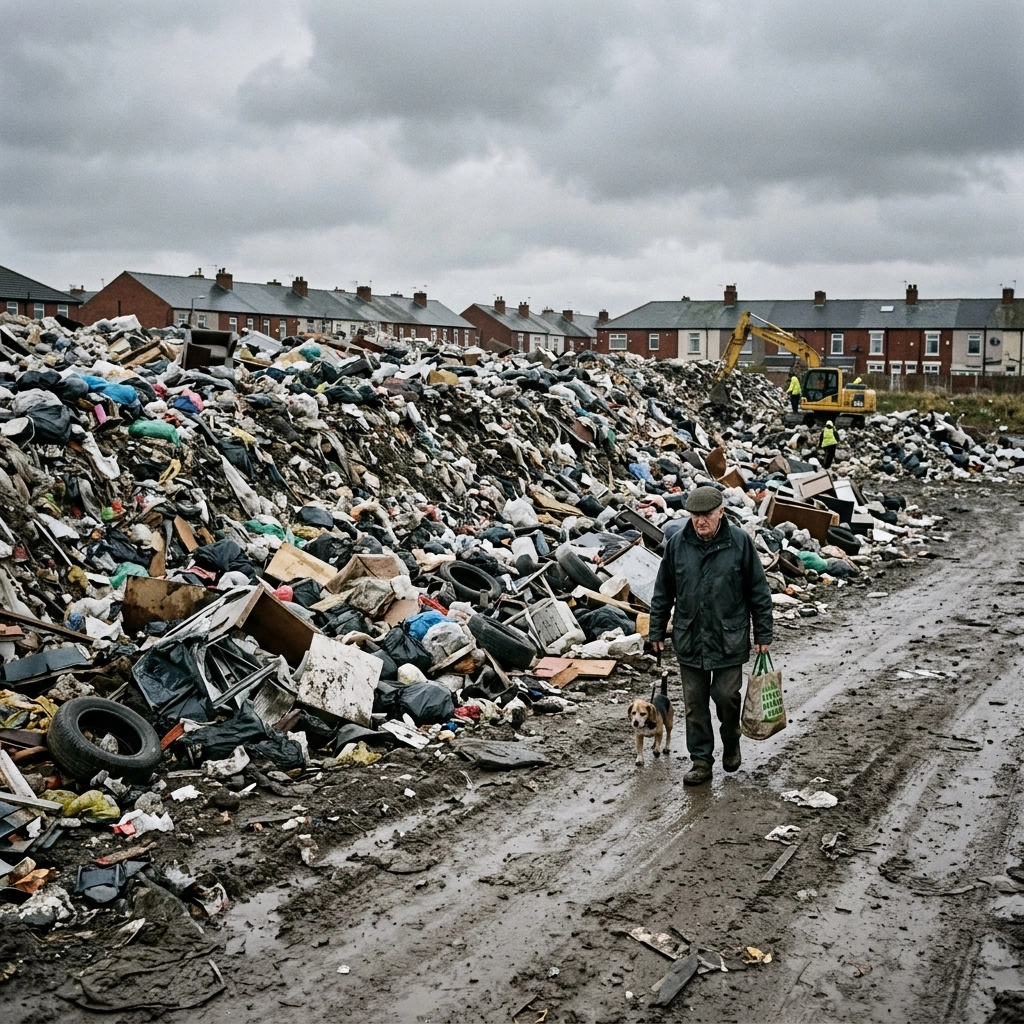
For the people of Wigan, the term "rubbish" has taken on a much more sinister meaning than just a missed bin collection. Imagine waking up every morning, not to the sound of birds, but to the rustling of thousands of rats. Imagine a summer where you cannot open your windows, not because of the heat, but because the air is thick with the stench of decomposing organic matter and swarms of flies so dense they resemble a biblical plague. This is not a scene from a dystopian film; it is the lived reality for residents near the infamous illegal waste site that has dominated the local landscape for years.
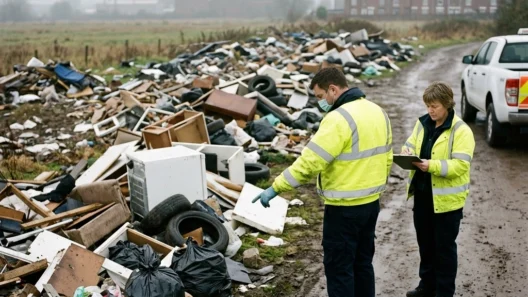
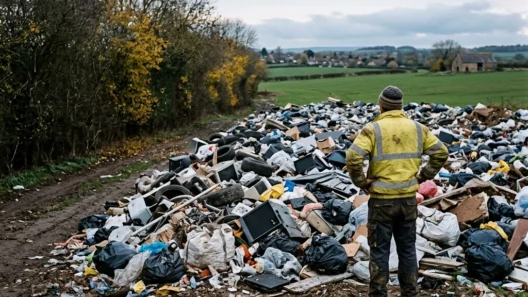
At the heart of this crisis is a staggering 25,000 tonnes of illegally dumped waste. To put that into perspective, that is roughly the weight of two Type 45 destroyers or over 2,000 double-decker buses. It is a mountain of neglect, a monument to corporate or criminal greed, and a stinging reminder of the 'untold stories' that often get buried beneath the headlines of national broadsheets. As part of our commitment to independent news uk, we have looked into the details of how a community was left to rot alongside twenty-five thousand tonnes of trash.
The site, which began as a legitimate or semi-legitimate waste processing operation, spiralled out of control through a series of legal loopholes and a blatant disregard for environmental regulations. What was once a manageable facility became a dumping ground for everything from household waste to hazardous materials. For the families living just a stone's throw away, the physical presence of the waste is only the beginning of the nightmare.
The Daily Reality of a Living Nightmare
Living next to 25,000 tonnes of rubbish is a sensory assault that never ends. Residents have reported that the smell is the first thing that hits you: a cloying, sweet, and sickly scent of decay that permeates clothing, furniture, and even the food inside their homes. But the smell is merely a precursor to the biological invasion that follows. When waste is left to sit and rot in such massive quantities, it becomes the perfect breeding ground for pests.
The fly infestations are perhaps the most immediate concern. Local homeowners describe "black clouds" of flies that descend as soon as a door is opened. In the height of summer, kitchens become battlegrounds. Sticky flypaper fills up within hours, and the constant hum of insects becomes a maddening background noise. Then come the maggots. There have been harrowing accounts of maggots crawling up the walls of houses and even appearing in bedrooms, having hitched a ride on the pets or simply migrated from the vast, rotting pile nearby.
Beyond the insects, the rodent problem has reached crisis proportions. These aren't just common garden mice; these are rats emboldened by an endless food supply. Residents have filmed rats the size of small cats scurrying across fences and through gardens. The fear of disease is palpable. With the local ecosystem completely upended, the domestic peace of a quiet Wigan suburb has been replaced by a constant state of vigilance. This environmental disaster is a clear example of why action is needed to protect residential areas from industrial-scale negligence.
When the Mountain Caught Fire
If the pests and the stench were the slow-burn torture of the Wigan waste plague, the multi-day fire was the acute catastrophe. In a pile of waste that large, internal pressure and chemical reactions can cause spontaneous combustion. When the site finally ignited, it wasn't just a small blaze; it was an inferno that took days for the fire services to bring under control. The smoke wasn't just wood smoke; it was a toxic cocktail of burning plastics, chemicals, and household refuse.
During the blaze, the sky over Wigan turned a bruised purple and grey. Residents were told to stay indoors and keep all windows and doors shut: a difficult task when the heat from the fire was radiating through the neighbourhood. For many, this was the breaking point. The health implications of breathing in smoke from 25,000 tonnes of burning trash are still being debated, but for those with asthma or elderly relatives, the fear was immediate and terrifying.
The fire also highlighted the physical danger of the site. The instability of the "trash mountain" meant that firefighters had to work in incredibly perilous conditions, fearing both the toxic fumes and the potential for the pile to collapse. Even after the visible flames were extinguished, the pile continued to smoulder for weeks, releasing a steady stream of acrid smoke into the atmosphere. This incident has raised serious questions about our climate and local environmental safety standards, as the runoff from the firefighting efforts carried even more pollutants into the local water table.
A Systematic Failure of Accountability
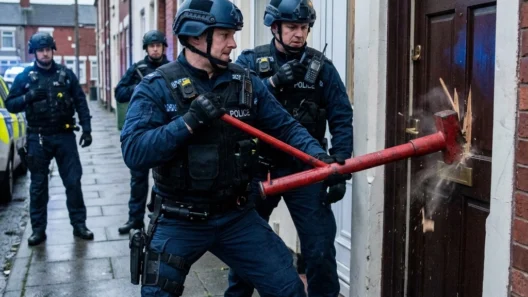
Perhaps the most frustrating element for the people of Wigan is the perceived inaction from the authorities. For years, residents have been shouting into the void, pleading with the local council and the Environment Agency to do something about the growing mountain of waste. The response, they claim, has been a merry-go-round of bureaucratic finger-pointing. The Environment Agency points to legal complexities regarding land ownership and the cost of removal, while the council cites a lack of funding and jurisdiction.
In the eyes of the community, this is a failure of the system to protect its citizens. When a private individual leaves a bin out too long, they are fined. When a company abandons 25,000 tonnes of rotting filth, the legal process seems to grind to a halt. The 'untold stories' of the elderly residents who can no longer sit in their gardens, or the children who can’t play outside because of the rat burrows, highlight a massive gap in environmental justice.
The cost of clearing the site is estimated to be in the millions. Because the original operators have often disappeared into a web of shell companies and bankruptcies, the burden of the cleanup frequently falls on the taxpayer. This creates a stalemate where the waste remains, the pests multiply, and the community suffers while the legal battles drag on in distant courtrooms. It is a stark reminder of the hidden costs of our waste management systems, much like the hidden costs found in other sectors.
The situation in Wigan is not an isolated incident, but it is one of the most extreme examples of illegal dumping in the UK. It serves as a warning of what happens when environmental regulations are not strictly enforced and when the warnings of local residents are ignored. The "Waste Plague" isn't just about the rubbish; it's about the erosion of the quality of life and the feeling of being abandoned by the very institutions meant to provide protection.
The resolution to the Wigan waste crisis remains a work in progress. While some efforts have been made to secure the site and mitigate the immediate fire risks, the core problem: the 25,000 tonnes of trash: still looms over the town. The residents continue to fight for their right to breathe clean air and live in a home free from vermin. Their resilience is remarkable, but they shouldn't have to be resilient against twenty-five thousand tonnes of someone else's mess.
As this story continues to develop, it remains a focal point for those advocating for tougher environmental laws and more direct accountability for land owners and waste contractors. The lessons from Wigan must be learned to ensure that no other community has to endure a summer of maggots and smoke. The fight for a cleaner, safer Wigan is a testament to the power of local voices, even when they are forced to compete with the stench of a mountain of neglect.