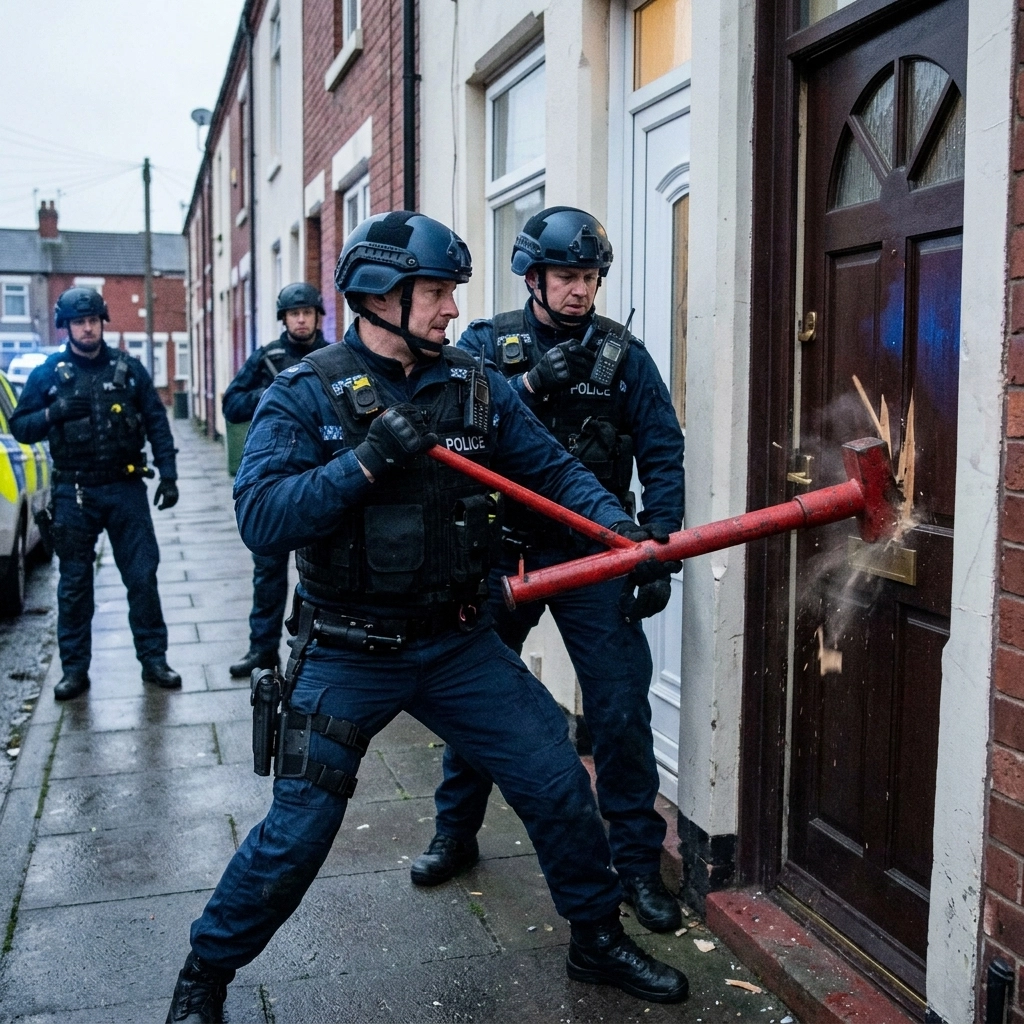
The early morning silence in neighbourhoods across the UK was recently shattered by a sound that has become synonymous with justice: the heavy thud of the ‘big red key’. For those unfamiliar with police jargon, this is the nickname given to the heavy steel battering ram used by officers to gain entry to properties during raids. This past month, that sound echoed from Cornwall to the Highlands as part of a massive, coordinated nationwide crackdown on county lines drug gangs.
At NowPWR, we believe in providing independent news uk that digs beneath the surface of daily headlines. This operation wasn't just about making arrests; it was about dismantling a business model that thrives on the exploitation of the vulnerable. While the mainstream press often focuses on the shock factor of drug seizures, there are many untold stories regarding the communities left behind and the children who are caught in the crossfire of organised crime.
This latest surge in police activity represents one of the most significant blows to domestic drug networks in recent years. With thousands of officers involved and hundreds of warrants executed simultaneously, the message was clear: the 'big red key' is turning on those who profit from misery.
The Mechanics of the Modern Crackdown
The scale of this operation was staggering. Led by the National County Lines Coordination Centre (NCLCC), police forces across England, Scotland, and Wales joined forces to execute a week-long "intensification" period. The results speak for themselves. Over 2,180 individuals were arrested, and 335 active drug lines: the phone numbers used by gangs to take orders from customers: were permanently shut down.
County lines is a term that refers to the practice of urban gangs moving into rural areas or smaller towns to sell Class A drugs. They use dedicated mobile phone lines to facilitate this trade, often using "runners" to deliver the goods. This crackdown targeted the "line holders" themselves: the people sitting comfortably in cities while their subordinates take all the risks on the ground.
During the raids, officers seized over 180 kilograms of Class A drugs, including significant quantities of crack cocaine, heroin, and cocaine. But it wasn't just drugs being removed from the streets. The 'big red key' also helped police find and seize 121 firearms and 377 bladed weapons. The removal of these weapons is a vital part of reducing the violence that inevitably follows the drug trade. Furthermore, over £1.5 million in suspected criminal cash was recovered, hitting the gangs where it hurts most: their wallets.
The logistical challenge of such an operation cannot be understated. It requires seamless communication between regional organised crime units and local constabularies. In an era where public spending is often under the microscope, seeing such a high-impact return on investigative investment is noteworthy. You can read more about how public finances and political priorities shift in our look at the hidden cost of campaigning.
The Human Cost of Exploitation
While the arrests and seizures make for impressive statistics, the most vital part of the 'Big Red Key' action was the safeguarding of individuals. This operation resulted in 1,348 people being identified as vulnerable and placed into safeguarding protocols. Perhaps most heartbreaking is the fact that 796 of these individuals were children.
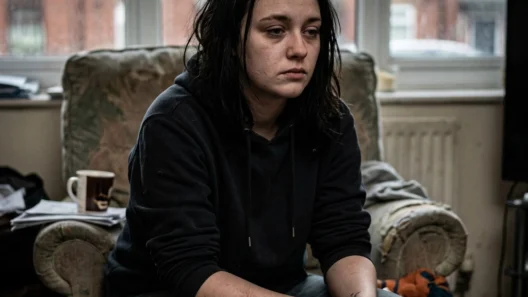
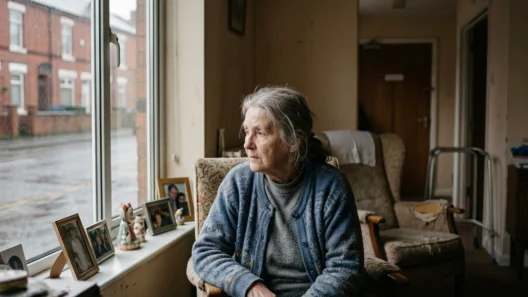
Gangs frequently use a tactic known as "cuckooing." This involves taking over the home of a vulnerable person: perhaps someone with mental health issues or an addiction: and using it as a base of operations. The victim is often intimidated into silence, living in fear while their home becomes a hub for drug distribution and violence. By busting down these doors, the police aren't just looking for evidence; they are literal rescuers for people trapped in their own living rooms.
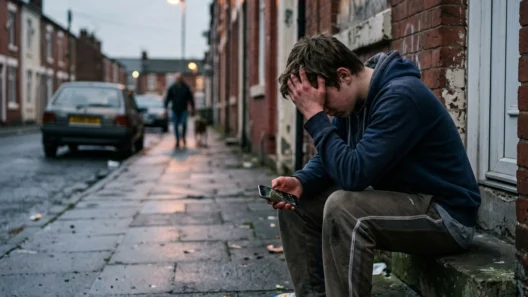
The recruitment of children is another dark facet of the county lines model. Young people, some as young as 11 or 12, are lured in with promises of easy money, expensive clothes, or a sense of "belonging." Once they are involved, they are often subjected to "debt bondage," where the gang claims the child owes them money for lost stock or "protection," forcing them to continue working under the threat of violence.
Focusing on these untold stories is essential for understanding why these raids matter. It’s not just about cleaning up the streets; it’s about breaking a cycle of trauma that can last a lifetime. Many of these children are now being supported by social services and specialist charities to help them exit the world of gang involvement. This social aspect of the crackdown is a key pillar of our Inside category, where we explore the complex social dynamics that shape the UK today.
A Unified Front Against Organised Crime
One of the most impressive aspects of the 'Big Red Key' action was the level of cross-border cooperation. Organised crime doesn't stop at county lines or national borders, and for a long time, gangs exploited the "siloed" nature of different police forces. This latest crackdown proves that those days are largely over.
By using data analytics and shared intelligence, forces can now track a drug line from its origin in London or Liverpool all the way to its destination in a quiet coastal town. This "whole-system" approach means that when a door is kicked in at one end of the chain, the shockwaves are felt at the other. It’s a evolution in policing that recognises the fluid, digital nature of modern crime.
However, many experts argue that enforcement is only half the battle. While the 'big red key' is effective at stopping immediate criminal activity, the vacuum left by a dismantled drug line can quickly be filled by another gang if the underlying demand and social issues aren't addressed. This is why the safeguarding element of the operation is so critical. By removing the vulnerable people from the equation, the gangs lose their infrastructure.
The success of this operation also highlights the importance of community intelligence. Many of the warrants executed were the direct result of "niggles" or concerns reported by local residents. Whether it was noticing strange cars arriving at a neighbour's house at odd hours or seeing a teenager with suddenly expensive gear, these small pieces of information are what allow police to build a case and eventually bring the red key to the door.
As we look toward the future, the challenge will be maintaining this pressure. The gangs are resilient and will undoubtedly try to adapt their methods. But with more coordinated actions and a growing public awareness of the signs of exploitation, the net is closing in. We will continue to follow these developments, bringing you the independent news uk that matters most to your community.
The 'Big Red Key' action has shown that when the UK's law enforcement agencies act as one, they can achieve incredible results. Over two thousand arrests and the rescue of nearly eight hundred children is a monumental achievement. It serves as a reminder that behind the statistics of the drug trade are real people, real families, and real lives that have been given a second chance thanks to a well-aimed strike on a morning in March.