For many of us, getting rid of rubbish is as simple as putting a bin out on the pavement or taking a trip to the local recycling centre. We assume that once it’s out of our sight, it’s being handled responsibly, processed correctly, and kept away from the natural landscape. However, a growing body of evidence suggests that the UK is currently in the grip of a waste crime epidemic that is far more organised and dangerous than the public has been led to believe. This isn’t just about the occasional fly-tipper leaving a mattress in a country lane; it’s about industrial-scale criminal operations that are systematically scarring the British countryside.
Recent revelations have sparked a wave of concern across the country, particularly regarding how much our officials actually know: and what they are choosing to share. Reports have surfaced suggesting that key officials were accused of failing to inform the House of Lords about three massive illegal waste sites. As an outlet dedicated to independent news uk, we believe it is vital to dig into these untold stories to understand why such significant environmental breaches were kept out of the official record. When the scale of the problem is this large, silence isn’t just a bureaucratic oversight; it’s a failure of public duty.
The Growing Shadow of Illegal Dumping
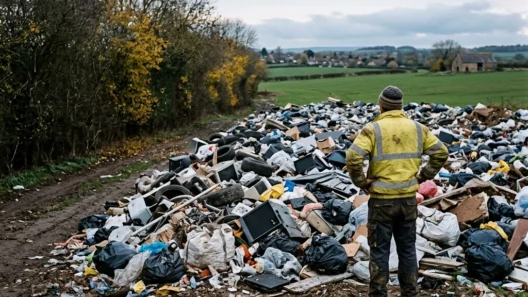
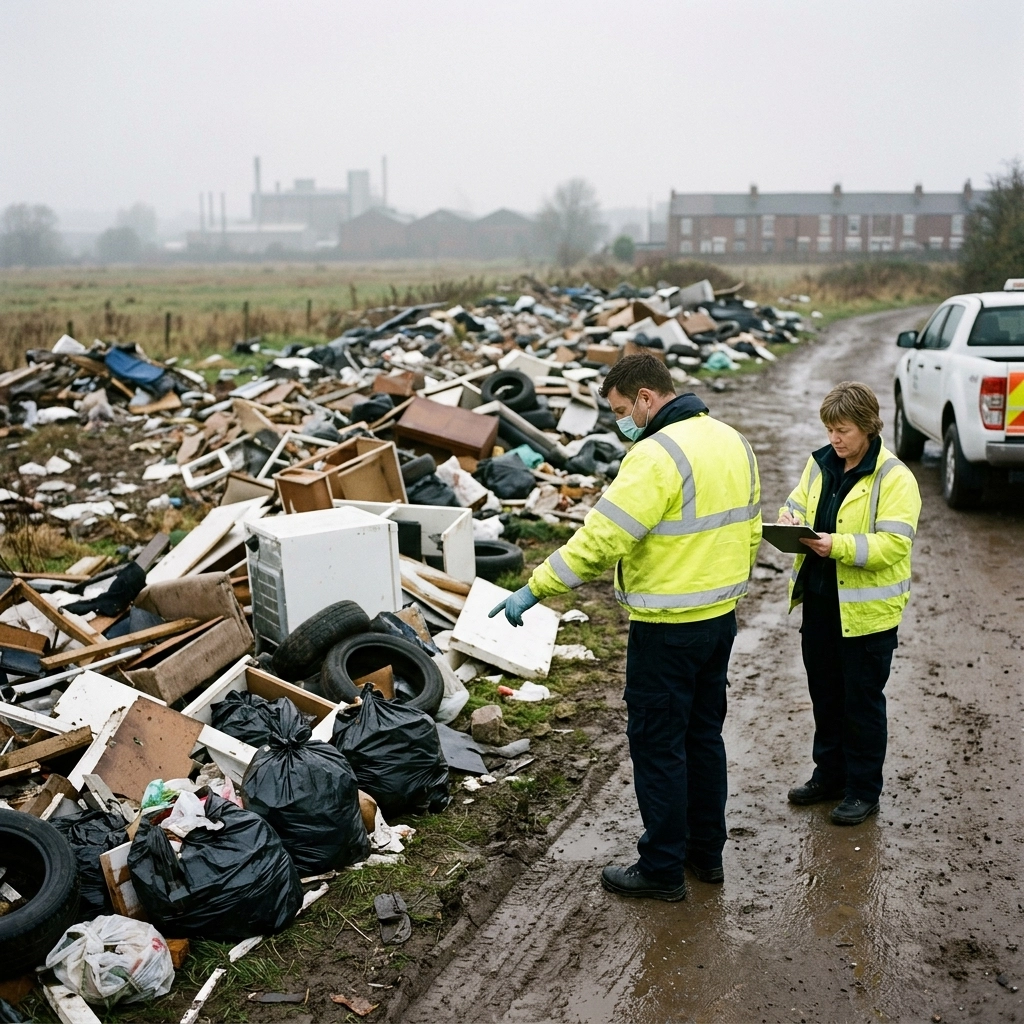
The sheer scale of the waste crime problem in England is staggering. While the official narrative often focuses on "tougher penalties" and "increased enforcement," investigations have found that hundreds of illegal waste dumps are still operating in plain sight. Some estimates suggest there are over 500 active illegal tips across the country. Perhaps most shocking is the existence of "super sites": massive dumps containing upwards of 20,000 tonnes of waste each. To put that in perspective, that’s enough rubbish to fill several Olympic-sized swimming pools, yet these sites have often been allowed to persist for years.
Waste crime has become a preferred venture for organised crime groups because the rewards are high and the risks are relatively low. In fact, some experts suggest that illegal waste management can be more profitable than drug trafficking. By bypassing environmental taxes and proper disposal fees, criminals can undercut legitimate businesses and pocket millions in pure profit. This doesn't just hurt the economy; it creates a massive burden on the taxpayer. When these sites are eventually discovered and abandoned, the cost of cleaning them up: which can run into the millions: often falls on local councils or the government.
The untold stories of those living near these sites are harrowing. Residents report constant smells, plagues of flies, and the fear of toxic runoff entering local water supplies. Despite these very real concerns, the regulatory response has often been described as "inadequate." While the Environment Agency has reported shutting down over 700 illegal tips recently, the fact that hundreds more remain active suggests that the authorities are playing a losing game of whack-a-mole. The enforcement budget, currently standing at around £10 million, seems like a drop in the ocean compared to the billions lost to the economy through waste crime each year.
The Omission That Shook Westminster
The most troubling aspect of this epidemic isn't just the crime itself, but the lack of transparency from those in power. Recently, serious allegations were made regarding officials who reportedly failed to disclose the existence of three large-scale illegal waste sites during a briefing to the House of Lords. These sites, located in areas like Wigan, Sheffield, and parts of Lancashire, were not just minor infringements; they represented tens of thousands of tonnes of illegally dumped material.
Why would such information be omitted? The House of Lords plays a crucial role in scrutinising government policy and environmental protection. For members of the Lords to be kept in the dark about the true extent of the "super site" problem suggests a disconnect between the reality on the ground and the information presented in the corridors of power. It raises uncomfortable questions about whether officials were trying to downplay the severity of the enforcement gap or if the systems for tracking these sites are simply broken.
Satellite analysis has further highlighted this discrepancy. While official figures might point to a few hundred sites, independent satellite monitoring suggests there could be thousands of potentially illegal sites scattered across the UK. This data suggests that the authorities may only be seeing the tip of the iceberg. When officials are accused of withholding information, it erodes public trust in the institutions meant to protect our environment. Without accurate data and full transparency, it is impossible to create effective legislation to tackle the crisis. There is a desperate need for action needed to ensure that the scale of the problem is fully acknowledged, rather than managed through selective reporting.
A Path Toward Real Environmental Justice
Tackling the waste crime epidemic requires more than just a few high-profile raids; it requires a complete overhaul of how we monitor and regulate the waste industry. At its heart, this is a climate issue as much as a criminal one. Illegal dumps often contain hazardous materials that leach into the soil, damaging local ecosystems and contributing to long-term environmental degradation. When waste isn't processed correctly, we lose the opportunity to recycle valuable materials, further straining our planet's resources.
To combat this, we need to empower regulators with both the technology and the funding required to outmatch organised crime. This includes better use of satellite technology and AI to identify illegal dumping in real-time. It also means closing the loopholes that allow "waste cowboys" to operate under the guise of legitimate businesses. Currently, the barrier to entry for becoming a waste carrier is shockingly low, making it easy for criminals to set up front companies, collect waste, and then disappear once they've dumped it illegally.
Furthermore, there needs to be a culture of radical transparency. Information about illegal sites should be publicly available, and officials must be held accountable for the data they provide to Parliament. We cannot solve a problem that we aren't willing to look at in its entirety. The communities affected by these sites deserve to know that their government is taking the issue seriously and that the full scale of the epidemic is being addressed.
Waste crime is a parasitic industry that feeds on the lack of oversight and the public's general "out of sight, out of mind" attitude toward rubbish. By bringing these issues to light and demanding better from our officials, we can start to reclaim our landscape from those who seek to profit from its destruction. The UK has a long way to go to clean up its act, but acknowledging the hidden truth is the first step toward a cleaner, safer future.
In conclusion, the revelation that significant waste sites were omitted from official briefings is a wake-up call for the UK's environmental strategy. The epidemic of waste crime is a complex, multi-layered crisis that involves organised crime, regulatory shortfalls, and a lack of transparency in government. Addressing the issue will require a coordinated effort to increase enforcement, provide adequate funding to regulators, and ensure that the true scale of the problem is never hidden from the public or those tasked with oversight again. Only through total transparency and decisive action can the UK hope to end the reign of illegal waste gangs and protect the environment for future generations.