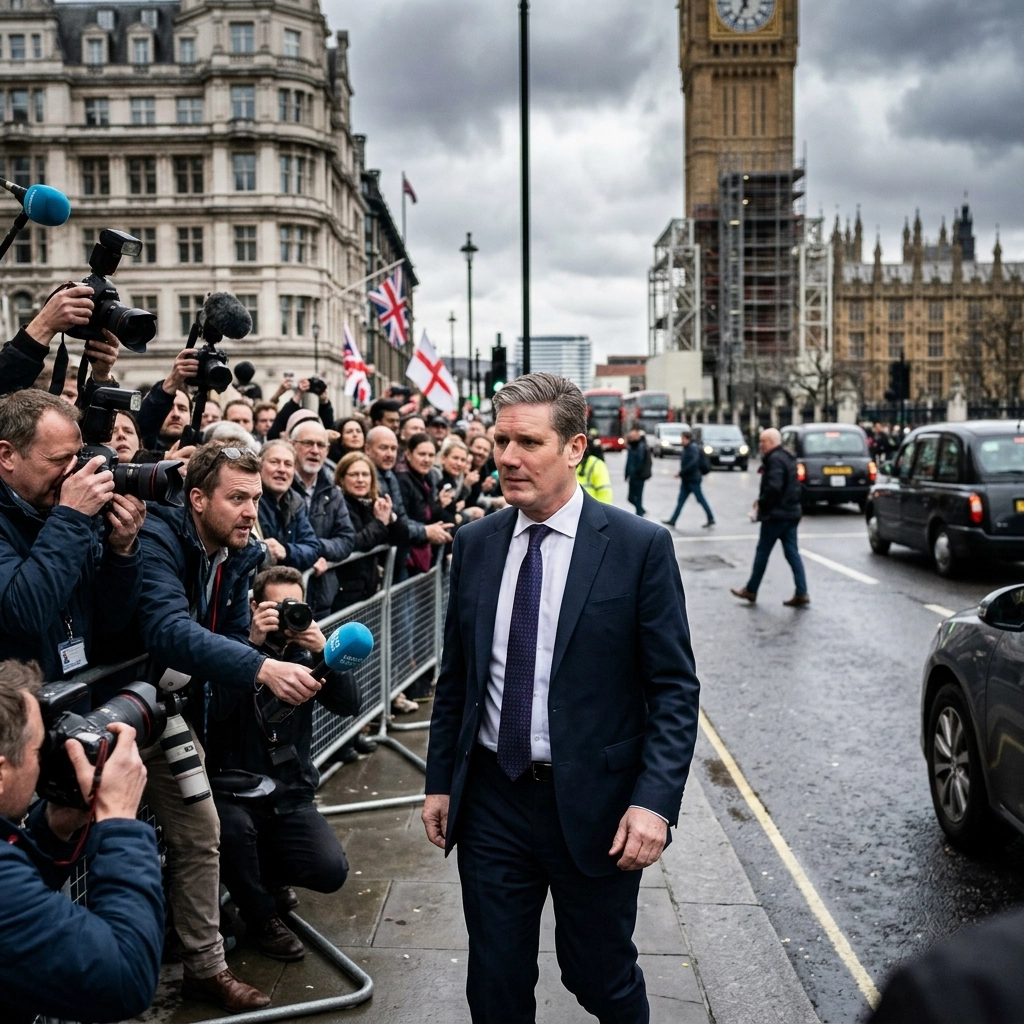
The British economy has just been served a cold glass of reality. After months of relative stability, the latest figures show that inflation has spiked to 3.3% in March 2026. For a government that promised stability and growth, this is a significant hurdle. Keir Starmer’s Labour administration is now facing its first major inflationary test since taking office, and the honeymoon period is officially over. As independent news uk providers, we have a duty to look past the political spin and dissect what these numbers actually mean for your wallet.
The jump from February’s 3.0% to 3.3% might seem small on paper, but in the context of a fragile recovery, it is a loud alarm bell. This isn't just about a few pennies on a loaf of bread; it represents a broader systemic pressure that is being felt from the petrol pump to the supermarket checkout. With the Bank of England watching closely and the public’s patience wearing thin, the pressure on Downing Street to provide more than just "hope" is reaching a boiling point.
What exactly triggered the 3.3% jump?
The most immediate question on everyone's lips is: why now? To understand the current squeeze, we have to look toward the Middle East. The conflict involving Iran, which ignited in late February, has sent shockwaves through the global energy markets. Because the UK is still heavily reliant on international oil and gas prices, any disruption in the Gulf translates almost instantly to the price of fuel in Britain.
Is it all just fuel prices?
Primarily, yes. Motor fuel prices saw a staggering 8.7% jump in a single month. This is the largest monthly increase we have seen since the summer of 2022, following the invasion of Ukraine. When petrol and diesel prices soar, the cost of everything else follows. Why? Because every item in your local supermarket had to be delivered there by a lorry, and every service provider: from plumbers to delivery drivers: has to pass those higher fuel costs onto the consumer.
What about other sectors?
While fuel is the headline act, it isn’t the only player. Services inflation has ticked up to 4.5%. A significant portion of this was driven by a spike in airfares, largely due to the timing of the Easter holidays. However, even when you strip away the volatile elements like food and energy: what economists call "core inflation": the figure still sits at 3.1%. While core inflation actually weakened slightly from 3.2%, the headline 3.3% figure is what dictates public sentiment and, ultimately, government policy.
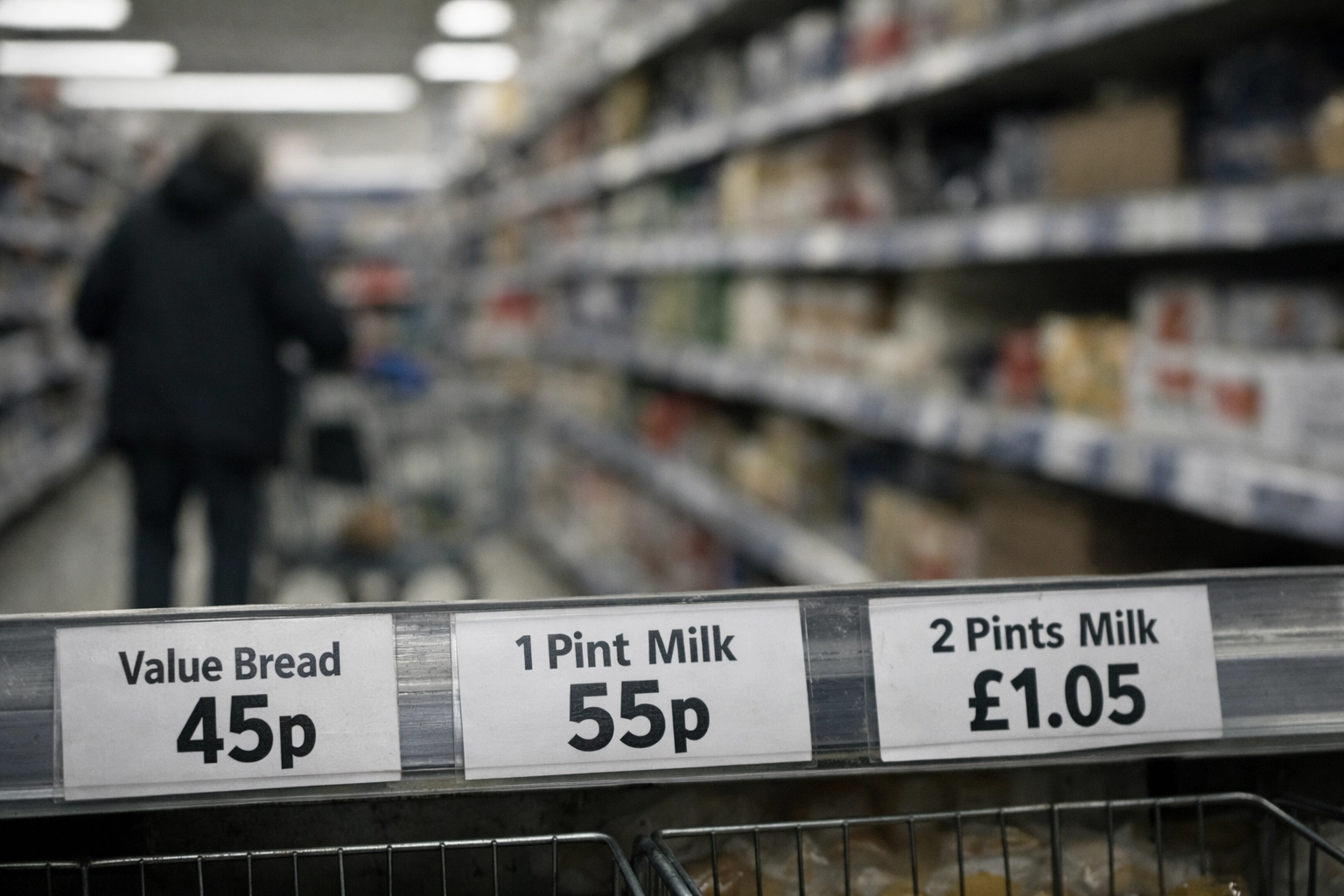
Are food prices still rising?
Food inflation remains a persistent shadow. While we aren't seeing the double-digit increases of a few years ago, the cumulative effect of years of rising prices means that even a 3% or 4% increase feels like a heavy blow. Households are already stretched to the limit, and this latest "reality check" means that the expected relief in the cost of living has been pushed further into the distance.
Why is Starmer taking the heat for global issues?
Critics argue that Keir Starmer cannot be blamed for a war in the Middle East or global oil prices. While that is true in a literal sense, politics is rarely about what is fair; it is about who is in charge when things go wrong. The Starmer government campaigned on a platform of "security": both economic and national. When inflation rises, that sense of security evaporates.
What was the government’s plan?
The Labour government’s strategy relied on bringing inflation down to the 2% target and keeping it there to allow the Bank of England to cut interest rates. Higher interest rates are a "tax" on anyone with a mortgage or a business loan. By failing to keep a lid on the inflationary squeeze, the government now faces the prospect of "higher for longer" interest rates, which stifles the very growth Starmer has promised to deliver.
Is the government doing enough?
This is where the debate gets heated. Some argue that the government should have done more to insulate the UK from energy shocks by accelerating domestic energy production or providing more aggressive subsidies. Others suggest that the government’s own spending plans are contributing to a "sticky" inflation environment. As an independent news uk source, we see the frustration from both sides: the public wants immediate relief, but the Treasury is trapped between a rock and a hard place.
What about the G7 comparison?
Britain’s inflation rate has been among the highest in the G7 for the better part of four years. This isn't a new problem for Starmer, but it is now his problem. The fact that the UK remains an outlier compared to peers like France or Germany suggests that there are deep-seated structural issues in the British economy: ranging from labour shortages to a lack of energy storage: that have yet to be addressed. The 3.3% figure isn't just a number; it’s a symptom of a long-term malaise that the current government has yet to cure.
What is the long-term outlook for British households?
If you were hoping for a quick return to the days of 1% or 2% inflation, you might need to adjust your expectations. The International Monetary Fund (IMF) has already suggested that British inflation could peak at 4% in the coming months if energy prices do not stabilise. This would put the UK in a precarious position, potentially forcing the Bank of England to hike rates again, or at least delay any planned cuts.
Will interest rates stay high?
The Bank of England is in a difficult spot. Their primary tool to fight inflation is raising interest rates, which discourages spending. However, if the inflation is being driven by global supply shocks (like a war) rather than domestic demand, raising rates might not help much: it might just make people poorer without actually stopping the price rises. Currently, the market is betting on rates staying exactly where they are, which is bad news for anyone hoping for a cheaper mortgage deal this year.
What can consumers do?
In an environment of 3.3% inflation, the "real" value of your wages is under threat. If you aren't getting a pay rise of at least 4%, you are technically taking a pay cut. This is the "squeeze" that Starmer’s government has to navigate. We are seeing a shift in consumer behaviour: a move toward discount retailers, a reduction in discretionary spending on things like eating out, and an increase in debt as households try to bridge the gap.
Is there any light at the end of the tunnel?
The "good" news, if you can call it that, is that core inflation is showing signs of softening. This suggest that once the initial shock of the fuel price spike passes, inflation could start to drift back down. However, that depends entirely on the geopolitical situation remaining stable. In 2026, stability feels like a luxury we can't quite afford.
The Starmer government is currently walking a tightrope. On one side is the risk of a renewed cost-of-living crisis that could tank their polling numbers; on the other is the risk of over-correcting and stifling economic growth. For the average person on the street, the 3.3% reality check is a reminder that the "new normal" is anything but stable.
The rise in UK inflation to 3.3% serves as a stark reminder of the volatility inherent in the current global economic landscape. While the primary drivers remain external, the domestic impact on households and the subsequent pressure on government policy are undeniable. As the Bank of England and the Treasury weigh their next moves, the focus remains on whether the UK can find a path to genuine price stability amidst ongoing international uncertainty.