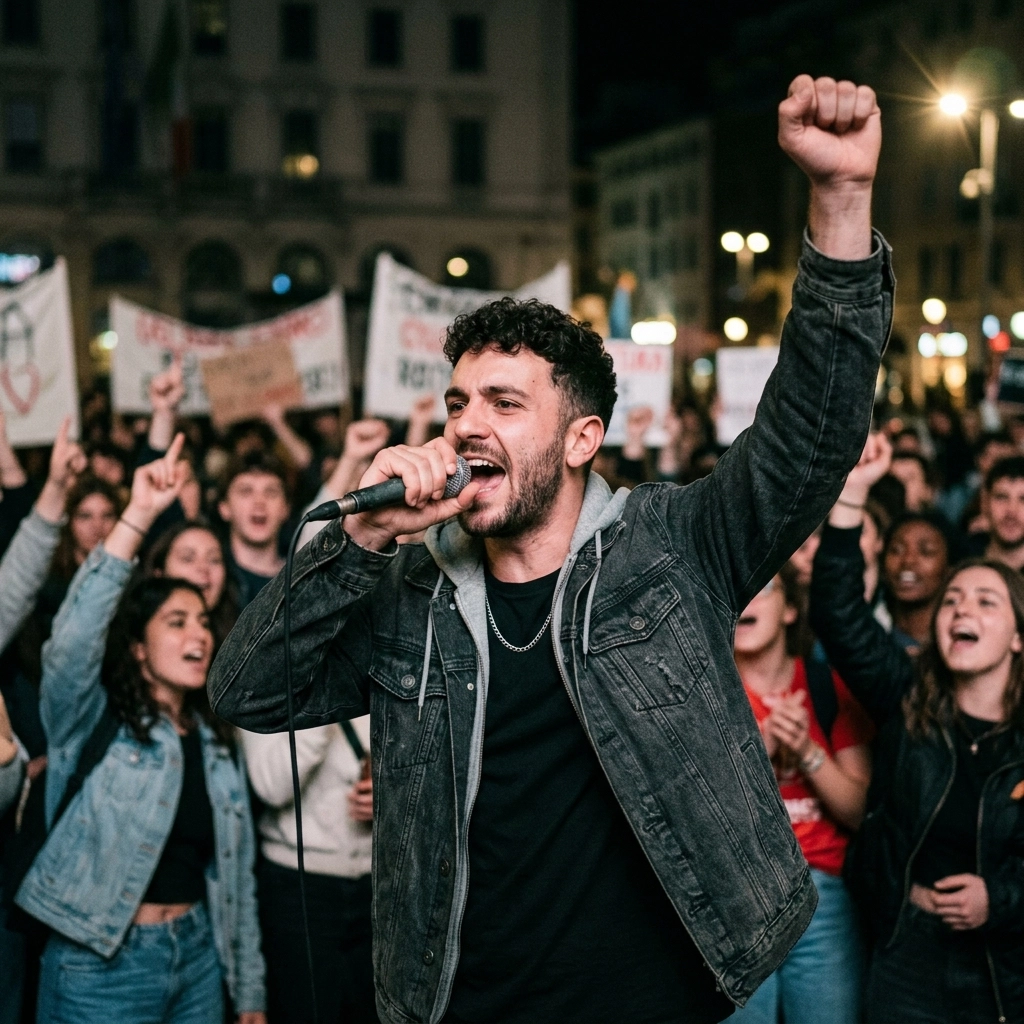
Belfast. Irish language. Balaclavas. And a whole lot of noise. If you haven't heard of Kneecap by now, you’ve likely been living under a very quiet rock, or perhaps you’ve just been avoiding the more rowdy corners of the UK music scene. This isn't your average "boy band from the North" story. It’s a tale of three lads: Mo Chara, Móglaí Bap, and DJ Próvaí: who decided that rapping in Gaeilge (Irish) was the best way to ruffle feathers, and boy, did they succeed. But their latest hit didn't come from a recording studio; it came from the High Court in Belfast.
The story starts not with a beat, but with a block. Earlier this year, the group found themselves in the crosshairs of the UK Cabinet. Specifically, they were staring down the barrel of a decision made by the then-Business and Trade Secretary, Kemi Badenoch. The group had been shortlisted and approved for a grant under the Music Export Growth Scheme (MEGS), a fund designed to help UK-based artists break into international markets. The amount was a tidy £14,250. However, in a move that set the music industry and political commentators buzzing, the grant was suddenly and unceremoniously pulled.
The reasoning provided was blunt. A spokesperson for the Department for Business and Trade stated that they didn't want to spend taxpayers' money on people who "oppose the United Kingdom itself." It was a classic case of the government playing music critic, but with a heavy-handed political twist. For an independent news uk perspective, this wasn't just about a rap group losing a bit of pocket change; it was about the fundamental principle of state-funded art and whether the government has the right to "vet" the political opinions of the artists they support.
The Forbidden Grant and the Political Vet
The Music Export Growth Scheme is usually a fairly bureaucratic affair. Managed by the British Phonographic Industry (BPI), it traditionally rewards artists who show genuine potential to export British-sourced talent abroad. Kneecap, with their massive following, sold-out US tours, and critically acclaimed film, fit the criteria perfectly. The BPI had recommended them for the funding. They were the industry choice. But the political choice was different.
The Cabinet’s intervention felt like a throwback to a different era. By blocking the grant, the government effectively tried to implement a political litmus test for the arts. The group’s lyrics, their stage presence, and their unapologetic stance on Irish reunification were deemed too "anti-UK" for public funding. However, the legal reality of the United Kingdom: and specifically the protections afforded under the Good Friday Agreement and various human rights acts: doesn't necessarily allow for that kind of ideological gatekeeping.
Kneecap didn't take it lying down. They did what any group with a penchant for disruption would do: they sued. The legal team representing the group argued that the decision was a clear case of discrimination based on political opinion. They contended that the Business Secretary had acted "unlawfully and procedurally unfairly." It was a bold move, pitting a rap group from West Belfast against the full weight of the UK Cabinet. For those who follow untold stories that challenge the status quo, this was a David vs. Goliath moment with a hip-hop soundtrack.
The government's argument rested on the idea of ministerial discretion: that they have the final say on where the money goes. But the High Court in Belfast was less than convinced. As the case progressed, it became increasingly clear that the government had stepped outside the lines. You can’t just pull the rug out from under someone because you don't like what they say on stage, especially when they meet all the technical requirements for the funding in question.
Victory in the High Court: A Win for Choice
The result was a total vindication for the trio. The Northern Ireland High Court ruled that the decision to block the grant was indeed unlawful. In a surprising turn of events, the government eventually conceded and agreed to pay out. The £14,250 was back on the table. But more importantly, the legal victory set a precedent. It sent a message that the government cannot use public funds as a carrot and stick to control artistic expression or political dissent.
From the lens of independent news uk, the core of the issue is the danger of the state picking sides in the cultural arena. Music has always been a space for rebellion, for questioning authority, and for articulating the frustrations of the working class. If the government is allowed to decide which artists are "loyal" enough to receive support, then the state is no longer supporting art; it is commissioning propaganda. The Kneecap case proved that the legal framework of the UK still provides a shield against this kind of overreach.
The victory was widely celebrated not just by the group’s fans, but by the wider music industry. The BPI, who had initially recommended the group for the grant, was reportedly pleased to see the decision overturned. It restored the integrity of their selection process, which is supposed to be based on commercial and artistic merit rather than the whims of whichever minister happens to be in the Department for Business and Trade that week.
The legal battle also highlighted the unique position of Northern Irish artists. The Good Friday Agreement explicitly protects the right of people in Northern Ireland to identify as Irish, British, or both. By penalising Kneecap for their Irish republican identity and their promotion of the Irish language, the government was skating on very thin ice regarding their constitutional obligations. The High Court's ruling didn't just win Kneecap a grant; it protected the rights of every artist in the region to express their identity without fear of financial reprisal from London.
Donations, Youth Groups, and the Aftermath
In true Kneecap fashion, the victory wasn't just about the money. Once the £14,250 was secured, the group made a move that silenced many of their critics. They announced that every penny of the grant would be donated to youth groups in Belfast. Specifically, they targeted organisations that work with young people in working-class communities: the very communities that the group represents and draws inspiration from.
This wasn't just a PR stunt. It was a statement of intent. The group wanted to show that their fight wasn't about personal enrichment, but about standing up for their community and the next generation of artists. By redirecting the "forbidden" government money back into the grassroots, they completed a poetic cycle of redistribution. It turned a story about political censorship into a story about community empowerment.
The youth groups receiving the funds provide vital services in areas often overlooked by central government. In a city still navigating the complexities of its past, these organisations offer creative outlets, sports programmes, and educational support. For Kneecap to use their "win" against the Cabinet to fund these initiatives was a masterstroke of irony. They took the money the government didn't want to give them and used it to strengthen the very culture the government tried to quieten.
This saga serves as one of those untold stories of resilience that often get lost in the noise of the daily news cycle. It’s a reminder that art isn't something that can be easily boxed in or controlled by policy. The Cabinet tried to make an example of Kneecap, but instead, they gave the group a bigger platform and a historical legal victory. The win proves that in the battle between the mic and the gavel, the mic has a surprising amount of power when backed by the law.
The broader takeaway is clear: the government’s role in the arts should be as a facilitator, not a gatekeeper. When we allow politicians to decide what is "acceptable" music, we lose the edge that makes the UK's cultural exports so successful in the first place. Kneecap might be controversial to some, but their right to be controversial is exactly what the court protected.
The conclusion of the legal proceedings brings an end to a high-profile dispute that tested the limits of ministerial power over the arts. With the funding restored and the subsequent donation to local youth services, the case has been resolved in a manner that reinforces the protection of political and cultural expression within the UK's legal system.